What the Little Button on Your Seat Belt Really Does – A Tiny Feature With a Huge Safety Purpose
You do it automatically:
→ Slide the seat belt across your chest
→ Click it into place
→ Start driving
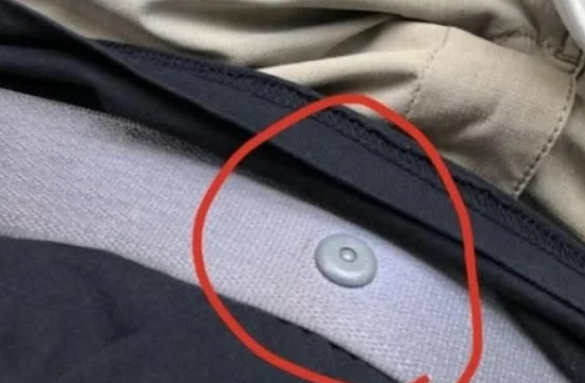
But have you ever noticed that small button or tab on the shoulder strap — right where the belt meets the B-pillar (the vertical post between your front and back windows)?
It’s not decorative.
It’s not a manufacturing flaw.
It’s one of your vehicle’s quietest — yet most important — safety features.
And most drivers use it for years without fully understanding what it does.
Let’s take a closer look at this clever piece of automotive engineering — and why adjusting it correctly can improve both comfort and crash protection.
What Is That Button? Meet the Seat Belt Height Adjuster 🔍
That small tab or button is officially called the seat belt height adjuster.
Its purpose is simple: to ensure the shoulder belt fits your body properly.
Proper positioning is critical because seat belts are engineered to distribute crash forces across the strongest parts of your body — your chest and pelvis.
🚗 How It Works
- The adjuster slides up and down along a metal track on the B-pillar.
- Press the button or tab to release the latch.
- Move it to the desired height.
- Release to lock it securely in place.
Most vehicles provide 3–5 height positions, accommodating drivers roughly from 4’10” to 6’5″.
Why This Small Feature Matters So Much
1. Proper Shoulder Placement
The shoulder belt should rest:
- Across the center of your chest
- Midway between your neck and shoulder edge
- Never rubbing directly against your neck
- Never slipping off your shoulder
If positioned incorrectly, the belt may not distribute force as designed during a crash.
Automotive safety analyst Dr. Leila Nour explains:
“Seat belts are designed to spread impact forces across the skeletal structure. Improper height adjustment can reduce that efficiency.”
2. Reduces Risk of Neck Irritation
Many drivers complain that the belt rubs against their neck.
That usually means the adjuster is set too high.
Lowering it slightly often solves the discomfort — and prevents people from placing the belt under their arm (which is unsafe).
3. Improves Crash Protection
In a collision, the seat belt works together with:
- Airbags
- Pretensioners (which tighten the belt instantly)
- Load limiters (which control force)
If the shoulder belt is too low or too high, the protective system may not function as intended.
How to Adjust Your Seat Belt Height Properly
Follow these steps:
- Sit upright with your back against the seat.
- Fasten your seat belt normally.
- Locate the height adjuster on the B-pillar.
- Press the release button.
- Slide up or down until the belt rests comfortably across the middle of your shoulder.
- Release and confirm it locks securely.
The lap belt should always sit low across your hips — not your stomach.
Seat Belt Positioning Safety Table
| Positioning Area | Correct Placement | Incorrect Placement | Safety Purpose |
|---|---|---|---|
| Shoulder Strap | Across mid-shoulder and chest | Against neck or off shoulder | Distributes upper-body crash forces |
| Lap Belt | Low across hips | Across stomach | Protects pelvic bones and prevents internal injury |
| Height Adjuster | Set to individual torso height | Left at default factory setting | Ensures optimal belt alignment |
| Seat Position | Upright, not reclined excessively | Overly reclined | Maintains proper restraint geometry |