How to Brew Soursop Leaf Tea and Its Benefits: A Complete Guide to Graviola Wellness
Herbal teas have become a staple in many American households, especially among those seeking natural ways to support overall wellness. One tropical leaf that has gained growing attention is soursop — also known as graviola or guanabana. 🌿
While the fruit itself is sweet and creamy, it’s the leaves that are often brewed into tea for their antioxidant content and traditional wellness uses. But what exactly does soursop leaf tea do? Is it safe? How does it compare to other herbal teas? And how should it be prepared properly?
This comprehensive guide explores everything you need to know about brewing soursop leaf tea, including preparation methods, nutritional properties, expert insights, safety considerations, costs, and common mistakes to avoid.
🌱 What Is Soursop (Graviola)?
Soursop comes from the tropical tree Annona muricata, native to parts of Central and South America, the Caribbean, and West Africa. In the U.S., it’s typically found in specialty grocery stores or Latin markets.
While the fruit is enjoyed fresh or in smoothies, the leaves have been traditionally used in herbal infusions for relaxation and immune support.
Dr. Elena Ramirez, a phytotherapy researcher, explains, “Soursop leaves contain plant compounds called acetogenins and antioxidants. These compounds are being studied for their biological activity, but human research remains limited.”
🍵 How to Brew Soursop Leaf Tea (Step-by-Step)
Ingredients
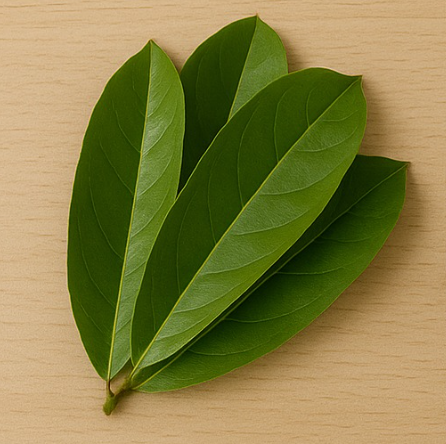
- 5–10 soursop leaves (fresh or dried)
- 3 cups filtered water
- Optional: honey or lemon
Step 1: Choose Quality Leaves
Select vibrant green fresh leaves or clean, mold-free dried leaves. Avoid leaves with discoloration or strong odor.
Step 2: Wash Thoroughly
Rinse leaves under running water to remove dust or debris. If using fresh leaves, allow them to air-dry briefly.
Step 3: Boil the Water
Bring 3 cups of water to a rolling boil in a pot.
Step 4: Simmer the Leaves
Add the leaves, reduce heat, and simmer gently for 15–20 minutes. This allows plant compounds to infuse into the water.
Step 5: Strain and Serve
Remove from heat, let sit for 3–5 minutes, then strain into a cup. Add lemon or honey if desired.
Drink warm, or refrigerate for iced tea.
Nutritional & Functional Components (Per 1 Cup Brewed Tea)
| Compound | Estimated Presence | Serving Size (~240ml) | Practical Function |
|---|---|---|---|
| Antioxidants | Moderate (plant-based) | 1 cup brewed | Supports oxidative balance |
| Acetogenins | Trace levels | From leaf infusion | Under scientific study for biological activity |
| Flavonoids | Naturally occurring | Herbal infusion | May support immune function |
| Natural Alkaloids | Small amounts | Leaf-derived | Contribute to relaxation effects |
| Calories | 0–5 kcal | Unsweetened | Low-calorie beverage option |
🌟 Potential Benefits of Soursop Leaf Tea
1. Antioxidant Support
Plant-based antioxidants help neutralize free radicals, supporting overall cellular health.
2. Relaxation & Calm
Traditionally used as a calming tea, some users report mild relaxation effects.
3. Digestive Comfort
Warm herbal teas often aid digestion through hydration and gentle stimulation of digestive processes.
4. Immune Support
Flavonoids may contribute to normal immune function when combined with a balanced diet.
Important: While laboratory studies explore potential properties, soursop leaf tea is not a replacement for medical treatment.
💰 Cost Comparison: Homemade vs Commercial Herbal Teas
Homemade Soursop Leaf Tea
- Cost per serving: ~$0.50–$1.00
- Control over ingredient quality
- No additives
Pre-Packaged Herbal Tea Bags
- $6–$15 per box
- Convenient
- May contain blended herbs
Buying dried leaves in bulk can reduce cost per cup significantly.
🌿 Soursop Tea vs Other Popular Herbal Teas
- Chamomile: Better studied for sleep support
- Green Tea: Higher antioxidant content
- Ginger Tea: Stronger digestive benefits
- Soursop Tea: Unique tropical phytochemical profile
Each herbal tea serves different wellness goals.
⚠️ Common Mistakes to Avoid
- Using too many leaves (strong bitterness)
- Boiling aggressively instead of simmering
- Consuming excessively daily without breaks
- Buying leaves from unreliable sources
- Assuming it treats serious illnesses
Moderation is key with any herbal preparation.