Natural Pest Control Remedies for Cockroaches: Safe, Effective & Affordable Solutions
Few household pests are as unsettling as cockroaches. Spotting one in your kitchen at night can instantly trigger stress and concern. 🪳 These resilient insects multiply quickly, contaminate surfaces, and can worsen allergies in sensitive individuals.
Many homeowners look for “natural” or low-toxicity remedies instead of harsh chemical sprays. One commonly suggested solution is boric acid — sometimes mixed with household disinfectants. But how effective is it? Is it safe? And what actually works long term?
This comprehensive guide breaks down boric acid use, safety considerations, proven alternatives, cost comparisons, and common mistakes — so you can eliminate cockroaches responsibly and effectively.
Understanding Cockroach Behavior (Why They’re Hard to Eliminate)
Cockroaches thrive in warm, moist, food-rich environments. Kitchens, bathrooms, and laundry areas are prime hiding spots.
Common Hiding Areas
- Behind refrigerators and stoves
- Inside cabinets and drawers
- Under sinks
- Along baseboards
- Near plumbing leaks
Dr. Leila Nour, Environmental Health Specialist, explains: “Cockroaches are nocturnal and excellent at hiding in narrow cracks. Effective control requires targeting both visible insects and hidden nesting areas.”
Using Boric Acid: How It Works
Boric acid is one of the most widely recommended low-cost cockroach control methods. It works by:
- Adhering to the insect’s body
- Being ingested during grooming
- Disrupting their digestive system and nervous function
Unlike sprays that kill on contact, boric acid acts more slowly — allowing the insect to return to hiding areas before dying, which may affect other roaches in the nest.
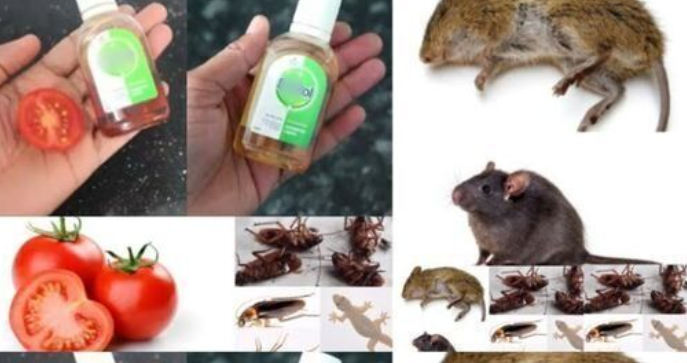
Important Note About Mixing with Dettol
Mixing boric acid with disinfectants such as Dettol is sometimes suggested online. However:
- There is no strong evidence that adding antiseptic improves effectiveness.
- Liquid mixtures may reduce boric acid’s ability to cling to insects.
- Improper mixtures can create unnecessary chemical exposure.
Professor Mark Benson, Urban Pest Control Researcher, advises: “Dry boric acid or properly prepared bait formulations are generally more effective than improvised liquid pastes.”
How to Use Boric Acid Safely & Effectively
Safer Application Method
- Use food-grade or pest-control labeled boric acid.
- Apply a very thin dusting — not thick piles.
- Focus on cracks, crevices, and wall voids.
- Avoid open surfaces where children or pets have access.
- Do not apply on food prep areas.
Thin layers work better because cockroaches avoid visible powder piles.
📊 Boric Acid Overview (Per Application Area)
| Product | Typical Amount Used | Estimated Coverage | Practical Value |
|---|---|---|---|
| Boric Acid Powder | 1–2 tablespoons (thin layer) | 10–20 sq ft cracks/edges | Low-cost, slow-acting roach control |
| Commercial Roach Bait Gel | Pea-sized drops | Multiple small locations | Pre-measured, targeted delivery |
| Diatomaceous Earth | Light dusting | 10–15 sq ft | Mechanical dehydration method |
DIY Natural Remedies vs Commercial Solutions
Boric Acid (DIY Approach)
- Cost: $5–$15 per container
- Long-lasting when kept dry
- Low odor
- Requires careful placement
Commercial Bait Stations
- Cost: $10–$25 per pack
- Child-resistant packaging
- Pre-measured doses
- Often more convenient
Professional Pest Control
- Cost: $100–$400 per visit
- Best for heavy infestations
- Comprehensive inspection included
Other Natural Cockroach Control Strategies
1️⃣ Eliminate Food Sources
- Seal food in airtight containers
- Clean crumbs immediately
- Take trash out nightly
2️⃣ Reduce Moisture
- Fix plumbing leaks
- Use dehumidifiers if needed
- Wipe sinks dry at night
3️⃣ Seal Entry Points
- Caulk cracks in walls
- Seal gaps around pipes
- Install door sweeps
Sanitation and exclusion are just as important as treatment.