How to Get Rid of Bedbugs from Mattresses: What Actually Works (And What Doesn’t)
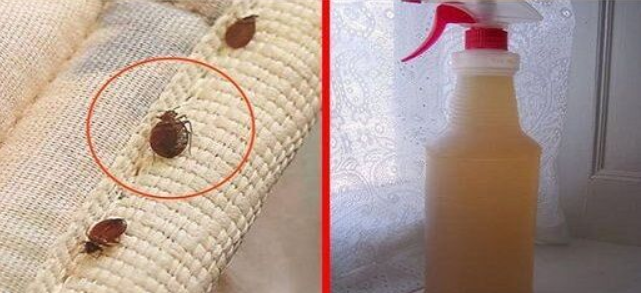
Waking up with itchy bites, spotting tiny blood stains on your sheets, or seeing small dark specks along your mattress seams can instantly trigger panic. 😣 Bedbugs are one of the most stressful household pests — not because they spread disease, but because they’re stubborn, fast-spreading, and incredibly hard to eliminate.
Online, you’ll find countless “miracle” sprays made from essential oils, alcohol, and water promising to suffocate or shock bedbugs into extinction. While some ingredients may kill bugs on direct contact, most DIY solutions do not eliminate an infestation on their own.
This guide explains what truly works, what’s risky, what’s a myth, and how to remove bedbugs from mattresses safely and effectively — step by step.
Understanding Bedbugs: Why They’re So Hard to Eliminate
Bedbugs are small, flat insects that hide in tight spaces — mattress seams, box springs, headboards, baseboards, and even electrical outlets.
Key Facts About Bedbugs
- They feed on human blood at night.
- They can survive months without feeding.
- Eggs hatch in 6–10 days.
- They hide deep inside fabric seams and cracks.
Dr. Leila Nour, Environmental Health Specialist, explains: “Bedbugs are resilient because they hide well and reproduce quickly. Surface sprays alone rarely solve the problem.”
Do Essential Oil Sprays Work?
Many DIY recipes combine:
- Tea tree oil
- Peppermint oil
- Lavender oil
- Eucalyptus oil
- Rubbing alcohol
What Science Says
Some essential oils show contact toxicity in lab studies. However:
- They must directly hit the bug to kill it.
- They do not penetrate deep hiding areas effectively.
- They do not reliably kill eggs.
- Alcohol is highly flammable and can damage fabrics.
Professor Mark Benson, Urban Pest Control Researcher, notes: “Essential oils may repel temporarily, but they are not reliable standalone eradication tools.”
⚠️ Spraying alcohol on mattresses carries fire risk and should be used cautiously.
The Safe & Effective Way to Remove Bedbugs from a Mattress
Step 1: Confirm the Infestation
- Check mattress seams and tags.
- Look for live bugs, shed skins, or small black fecal spots.
- Inspect box springs and bed frames.
Step 2: Vacuum Thoroughly
Use a vacuum with a crevice tool to:
- Clean mattress seams
- Vacuum tufts and corners
- Vacuum bed frame joints
- Empty vacuum bag immediately into sealed trash
This removes live bugs and some eggs.
Step 3: Apply High Heat (Most Effective Non-Chemical Method)
Heat is one of the most reliable killers of bedbugs.
- Wash bedding in water at least 140°F (60°C).
- Dry on highest heat for 30+ minutes.
- Use a steam cleaner on mattress seams (at least 160–180°F output).
Heat penetrates deeper than sprays and kills eggs.
Step 4: Use Mattress Encasements
Special bedbug-proof mattress encasements:
- Trap existing bugs inside
- Prevent new bugs from entering
- Must remain sealed for at least 12 months
Cost: $30–$80 depending on size and quality.
Step 5: Consider EPA-Approved Insecticides
Products labeled specifically for bedbugs are more effective than DIY oil sprays.
Always:
- Follow label instructions exactly
- Avoid over-application
- Keep pets and children away until dry
Step 6: Professional Extermination (For Moderate to Severe Cases)
Professional heat treatments raise room temperatures to lethal levels for bedbugs.
- Average cost: $1,000–$2,500 depending on home size
- Highly effective when properly executed
This is often necessary for heavy infestations.
📊 DIY Spray vs Professional Treatment Comparison
| Method | Approx. Cost | Effectiveness | Best For |
|---|---|---|---|
| Essential Oil Spray | $10–$25 | Low (contact only) | Minor surface sightings |
| Vacuum + Steam | $50–$150 | Moderate | Early infestations |
| Mattress Encasement | $30–$80 | Preventative | Stopping spread |
| Professional Heat Treatment | $1,000+ | High | Severe infestations |
⚠️ Safety Warnings About Alcohol Sprays
- Highly flammable
- Can ignite from static electricity
- May damage mattress materials
- Evaporates quickly, limiting effectiveness
Many fire departments report house fires caused by excessive alcohol spraying for bedbugs.
Three Smart Tips for Success
🔥 The High Heat Rule
Heat is more reliable than scent-based repellents.
🧹 The Seam Strategy
Scrub seams gently with a stiff brush before vacuuming to dislodge eggs.
🔁 The Consistency Plan
Repeat inspections every 7 days for at least 4–6 weeks.
Common Mistakes to Avoid
- Relying only on essential oils
- Throwing out mattress prematurely
- Moving infested furniture to other rooms
- Skipping follow-up inspections
- Ignoring early signs
10 Frequently Asked Questions
1. Do essential oils kill bedbugs?
Only on direct contact, and not reliably for eggs.
2. Is alcohol effective?
It can kill on contact but poses fire risks and does not eliminate infestations alone.
3. Can I save my mattress?
Yes, in most cases, with encasement and treatment.
4. How long does it take to eliminate bedbugs?
Typically several weeks with consistent treatment.
5. Do bedbugs live only in beds?
No. They hide in furniture, walls, and cracks.
6. Are bedbugs dangerous?
They are not known to transmit disease but cause itching and stress.
7. Can sunlight kill bedbugs?
Direct heat may help, but it is not reliable alone.
8. Do I need to throw away my box spring?
Not necessarily — encasement is often effective.
9. Can I treat just one room?
Infestations often spread; inspect adjacent rooms.
10. When should I call a professional?
If you see repeated sightings after two weeks of DIY efforts.
Final Thoughts: Focus on Proven Methods, Not Just Scents
While botanical sprays may smell pleasant and offer minor contact effects, they rarely solve a true bedbug infestation. Heat, vacuuming, encasement, and — when necessary — professional treatment remain the most reliable solutions.
Stay calm, act methodically, and avoid risky shortcuts like heavy alcohol spraying.
With the right approach, consistency, and evidence-based methods, your mattress — and your sleep — can be restored safely. 🛏️