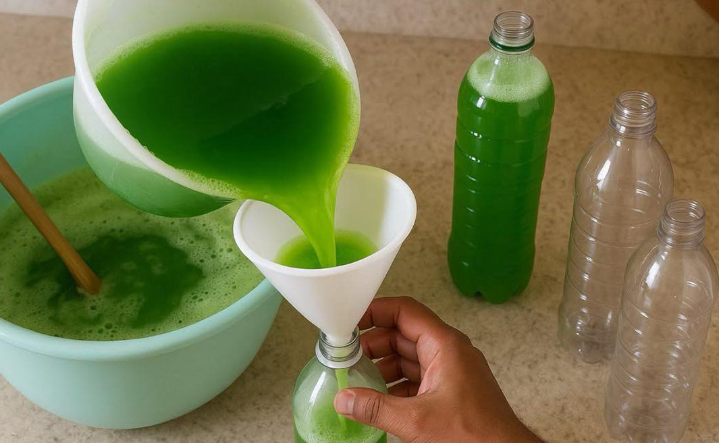
Save Your Money: Using Papaya Leaves with Mild Detergent for Natural Plant Care
In many households and gardens, simple natural resources can replace expensive commercial products. Papaya leaves, often discarded as waste, contain natural compounds that have been traditionally used for cleaning and basic plant care. When combined carefully with a mild, plant-safe detergent, they can create a low-cost solution for certain gardening needs.
This guide explains how to use papaya leaves responsibly, what they can and cannot do, and how to avoid common mistakes that could harm plants or soil. The focus is on gentle, natural support, not harsh chemical treatment.
Why Papaya Leaves?
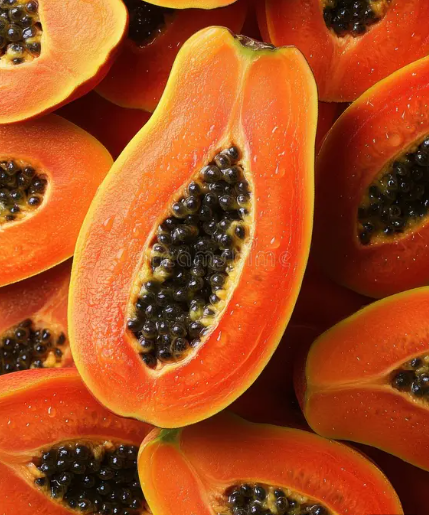
Papaya leaves contain natural enzymes, including papain, which have mild cleansing and breakdown properties. In traditional practices, these leaves have been used for:
- Gentle surface cleaning
- Breaking down organic residue
- Supporting plant hygiene when used correctly
In gardening, papaya leaf extracts are sometimes used in very diluted forms to help remove dust, sticky residues, or light pest presence on leaves.
The Role of Mild Detergent
When people mention “detergent” in natural gardening, it is critical to clarify the type. Only mild, unscented liquid dish soap should ever be considered.
Never use:
- Laundry detergent
- Powder detergents
- Bleach-based cleaners
- Degreasers or antibacterial soaps
Harsh detergents can burn leaves, destroy beneficial soil organisms, and permanently damage plants.
What This Mixture Is Used For
When prepared correctly and used sparingly, papaya leaf extract with mild soap can help with:
- Cleaning dusty plant leaves
- Removing sticky residues like honeydew from insects
- Reducing light aphid or mite presence
- Supporting overall leaf hygiene
This is not a fertilizer and not a cure for severe pest infestations.
How to Prepare Papaya Leaf Extract Safely
Ingredients
- 5–6 fresh papaya leaves
- 1 liter clean water
- ½ teaspoon mild liquid dish soap (unscented)
Preparation Steps
- Wash papaya leaves thoroughly to remove dirt.
- Chop leaves into small pieces.
- Boil in water for 10–15 minutes.
- Allow the mixture to cool completely.
- Strain the liquid to remove leaf solids.
- Add mild soap and mix gently.
The final solution should be light, not foamy, and used the same day it is prepared.
How to Use the Mixture on Plants
Application should always be gentle:
- Use a spray bottle
- Test on one leaf first
- Spray early morning or late afternoon
- Avoid direct sunlight during application
Lightly mist leaves, focusing on undersides where pests often hide. Do not soak the soil.
Frequency of Use
Overuse can harm plants. Follow these guidelines:
- Once every 10–14 days if needed
- Stop immediately if leaf burn appears
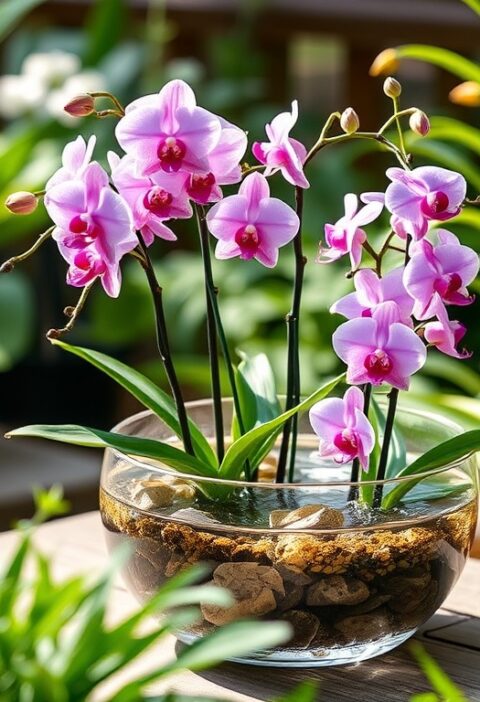
- Do not use on delicate plants like ferns or orchids
Natural solutions work best when used sparingly and with observation.
Plants That Tolerate This Method
Generally safer for:
- Tomatoes
- Peppers
- Roses
- Cucumbers
- Hardy houseplants
Avoid use on seedlings, newly transplanted plants, or stressed plants.
Benefits of This Natural Approach
- Low cost and accessible
- Reduces reliance on chemical sprays
- Uses biodegradable ingredients
- Supports sustainable gardening practices
Important Safety Precautions
Responsible use is essential:
- Always dilute properly
- Never mix with chemicals
- Wear gloves when preparing
- Keep away from children and pets
- Dispose of leftover solution responsibly
Natural does not automatically mean harmless. Observation and moderation are key.
Common Mistakes to Avoid
- Using strong detergents
- Applying under hot sun
- Spraying too frequently
- Skipping the test spray
- Assuming it replaces proper plant care
Frequently Asked Questions
Can this replace commercial pesticides?
No. It may help with light issues but cannot control severe infestations.
Is this safe for indoor plants?
Yes, if used lightly and tested first.
Can I store the mixture?
No. Fresh preparation is recommended to avoid spoilage.
Does it fertilize plants?
No. It only supports leaf cleanliness and light pest control.
Final Thoughts
Mixing papaya leaves with a mild, plant-safe detergent can be a simple, cost-saving solution when used responsibly. This approach reflects traditional wisdom combined with modern caution.
The real secret is not the mixture itself, but careful observation, moderation, and respect for plant health. Used correctly, it can support a cleaner, healthier garden without unnecessary expense.