Begonia Plant: Complete Care, Growth, and Bloom Guide
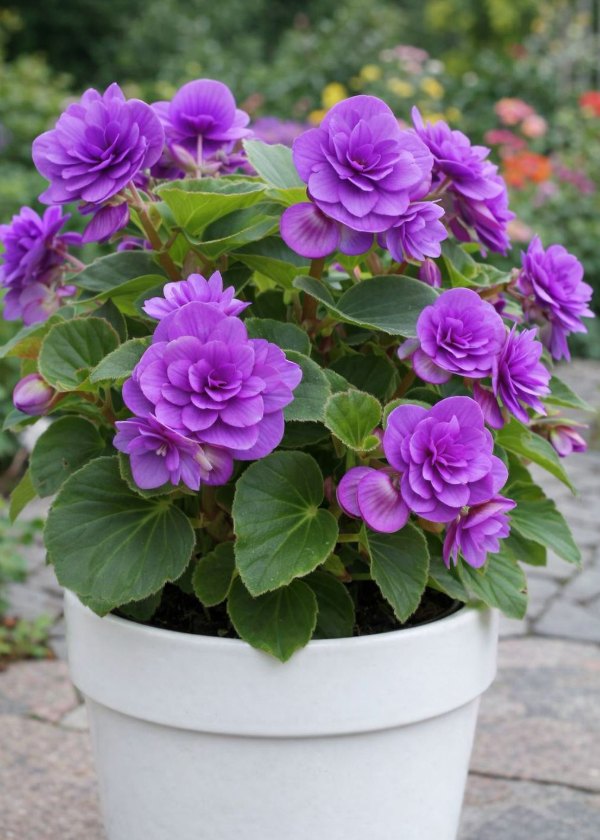
Begonias are one of the most popular ornamental plants worldwide, celebrated for their lush foliage and vibrant flowers. From the delicate wax begonias to the dramatic tuberous varieties, these plants are versatile, decorative, and suitable for indoor pots, outdoor gardens, or hanging baskets.
The secret to growing a healthy Begonia plant lies in understanding its natural preferences, providing consistent care, and adjusting conditions based on the type and environment. This comprehensive guide covers everything you need to know to maintain thriving Begonias with year-round blooms.
Understanding Begonia Plants
Begonias belong to the genus Begonia, which contains over 1,800 species. They vary widely in appearance but share a few common characteristics:
- Soft, often asymmetrical leaves in green, bronze, red, or variegated shades
- Colorful flowers in pink, red, white, orange, and yellow
- Compact or trailing growth habits depending on the type
- Preference for humid, well-draining environments
Begonias are divided into categories such as wax, rex, tuberous, and cane, each with unique care requirements.
Choosing the Right Location
Light is essential for Begonias, but the intensity depends on the variety:
- Wax and tuberous Begonias: Bright, indirect sunlight or partial shade
- Rex Begonias: Moderate to low indirect light
- Cane Begonias: Bright light with some filtered sun
Avoid direct afternoon sunlight for most Begonias, as it can scorch the leaves. Indoors, a north or east-facing window is ideal, while outdoors, use dappled shade.
Soil Requirements
Begonias require well-draining soil to prevent root rot. A suitable potting mix includes:
- Peat moss or coco coir for moisture retention
- Perlite or coarse sand for drainage
- Optional compost for nutrients
Avoid dense or clay-heavy soils that retain excess water.
Watering Begonias
Watering correctly is crucial for Begonia health. Overwatering leads to root rot, while underwatering causes wilting and flower drop.
Guidelines
- Water when the top 1–2 inches of soil feel dry
- Keep the soil evenly moist, but not soggy
- Water at the base, avoiding wetting the leaves (especially for Rex and wax varieties)
- Reduce watering during dormancy for tuberous Begonias
Begonias are sensitive to water quality. Use room-temperature, filtered, or rainwater when possible.
Fertilization
Proper feeding supports healthy foliage and vibrant flowers. Use a balanced fertilizer diluted to half-strength every 2–4 weeks during the growing season.
- Liquid fertilizer for indoor Begonias
- Slow-release granular fertilizer for outdoor garden beds
- Reduce feeding in winter or dormant periods
Avoid high-nitrogen fertilizers for flowering types, as they encourage leaf growth at the expense of blooms.
Pruning and Maintenance
Regular pruning helps Begonias maintain shape, encourages branching, and prevents disease.
- Remove yellow or dead leaves promptly
- Trim leggy stems to encourage compact growth
- Pinch off spent flowers to stimulate more blooms
- For tuberous Begonias, remove old stems at the end of the season to prepare for dormancy
Propagation Techniques
Begonias are easy to propagate from leaves, stems, or tubers.
Leaf Cuttings
- Cut a healthy leaf with petiole
- Place in moist soil or water until roots develop
- Transfer rooted leaf to a small pot
Stem Cuttings
- Use 3–4 inch healthy stem sections
- Remove lower leaves and insert into soil
- Keep in warm, humid environment until rooted
Tuber Division
- Divide tubers during dormancy
- Plant each section in well-draining soil
- Resume watering when new growth appears
Encouraging Vibrant Blooms
To maximize flowering, combine the following practices:
- Provide sufficient light without scorching leaves
- Maintain steady moisture without waterlogging
- Feed with a bloom-promoting fertilizer
- Pinch and prune spent flowers regularly
- Maintain optimal temperature (60–75°F / 16–24°C)