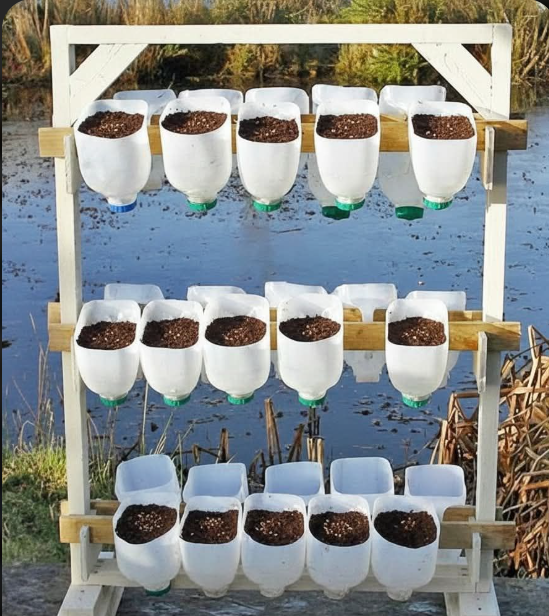
I Used Plastic Milk Bottles to Make a Vertical Planter
Sometimes inspiration comes from the simplest places. Not from a gardening store or an expensive system, but from something most of us throw away without a second thought.
Plastic milk bottles are usually seen as waste. But with a bit of creativity and patience, they can become the foundation of a small vertical vegetable garden — perfect for balconies, patios, walls, and tight urban spaces.
This article shares how plastic milk bottles can be reused to create a vertical planter, why this method works so well, and how it supports healthy plant growth while reducing waste. No complicated tools, no special materials — just a practical solution that fits real homes.
Why Vertical Gardening Makes Sense
Vertical gardening is not just a trend. It is a response to limited space, rising costs, and the desire to grow food closer to home.
Many people want to grow vegetables but believe they need:
- A large garden
- Deep soil beds
- Expensive planters
In reality, many vegetables thrive in compact containers as long as drainage, light, and watering are handled correctly. Vertical planters maximize growing space by using walls instead of floors.
Why Plastic Milk Bottles Work So Well
Milk bottles are ideal for DIY planters because they are:
- Sturdy and lightweight
- Easy to cut and shape
- Weather-resistant
- Widely available
Their size is perfect for herbs, leafy greens, strawberries, and even small-root vegetables when used correctly.
Reusing them also reduces plastic waste and gives everyday materials a second life.
Planning a Simple Vertical Planter
Before cutting or hanging anything, planning is important. A successful vertical planter depends on balance — not crowding.
Choosing the Right Location
- A wall or fence with good sunlight
- Protection from strong wind
- Easy access for watering
Most vegetables need at least 4–6 hours of sunlight per day.
Preparing the Milk Bottles
Clean bottles thoroughly to remove any residue. Once dry, they are ready to be transformed.
Basic Preparation Steps
- Cut a rectangular opening on one side for planting
- Make small drainage holes at the bottom
- Add two holes near the top for hanging
- Smooth sharp edges if needed
Drainage is essential. Without it, roots will sit in water and rot.
How to Hang the Bottles Safely
There are several simple hanging methods:
- Strong string or rope
- Wire or zip ties
- Mounted hooks on a wall or fence
Space bottles evenly to allow light and airflow. Avoid stacking them too close together.
Choosing the Right Soil
Container gardening depends heavily on soil quality. Garden soil alone is often too heavy.
A good mix includes:
- Light potting soil
- Compost for nutrients
- Perlite or sand for drainage
Healthy soil supports strong roots and steady growth.
What Can You Grow in Milk Bottle Planters
Not all vegetables are suitable, but many do very well.
Best Choices
- Lettuce and leafy greens
- Spinach and arugula
- Herbs like basil, mint, parsley
- Strawberries
- Green onions
These plants have shallow roots and adapt well to containers.
Watering a Vertical Garden Correctly
Vertical planters dry out faster than ground beds. Consistent watering is key.
- Water slowly to avoid runoff
- Check moisture daily in warm weather
- Water from the top and allow drainage
Some gardeners reuse plastic bottles again as slow-drip irrigation.
Feeding Plants Gently
Because containers hold limited nutrients, light feeding is helpful.
Use:
- Diluted compost tea
- Natural liquid fertilizers
- Occasional organic feeding
Avoid heavy fertilization. Slow, steady growth is healthier.
Maintenance and Observation
Vertical gardens are easy to maintain when observed regularly.
- Remove yellowing leaves
- Check for pests
- Rotate plants if sunlight is uneven
Small adjustments make a big difference over time.
Benefits Beyond Gardening
This project offers more than fresh vegetables.
- Reduces plastic waste
- Saves money on planters
- Encourages sustainable habits
- Adds greenery to small spaces
It is a reminder that useful solutions do not have to be expensive.