How to Make a Snake Plant Bloom Naturally
The snake plant, also known as Sansevieria or Dracaena trifasciata, is famous for being nearly indestructible. It survives low light, missed waterings, and busy households. But what many plant owners don’t realize is that this tough houseplant is also capable of producing delicate, fragrant flowers.
A blooming snake plant is rare indoors, not because it is impossible, but because blooming only happens when the plant’s natural needs are met consistently over time. This guide explains exactly how to encourage a snake plant to bloom — naturally, safely, and patiently — without forcing growth or using harsh chemicals.
Understanding Snake Plant Flowers
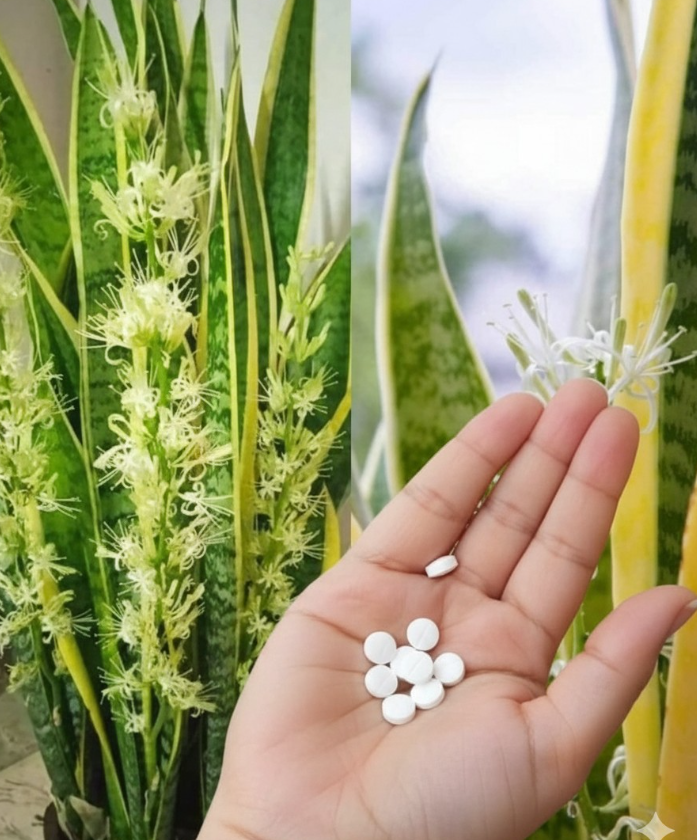
Snake plant flowers are small, tubular, and usually white or pale green. They grow on tall vertical stalks that emerge from the base of mature plants. At night, these flowers release a sweet, subtle fragrance and may produce tiny droplets of nectar.
Blooming is not a sign of stress or neglect. On the contrary, flowering usually indicates that the plant feels stable, well-rooted, and mature enough to reproduce. In nature, snake plants bloom when environmental conditions remain consistent for long periods.
Why Snake Plants Rarely Bloom Indoors
- Indoor light is often weaker than natural sunlight
- Overwatering prevents root maturity
- Frequent repotting disrupts root systems
- Excess fertilizer encourages leaves, not flowers
Once you understand these factors, encouraging blooms becomes much more realistic.
Start With a Mature Snake Plant
Age matters. Young snake plants focus all their energy on leaf growth. Flowering typically occurs only in mature plants that have filled their pots and established strong root systems.
If your snake plant is less than three years old, blooming is unlikely. Patience is essential. Allow the plant to settle, grow slowly, and strengthen over time.
Signs Your Plant Is Ready to Bloom
- Thick, upright leaves with firm structure
- Roots slightly crowded but healthy
- Consistent growth pattern year after year
- No signs of stress or rot
Light: The Most Important Factor
Snake plants tolerate low light, but blooming requires brighter conditions. Bright, indirect sunlight mimics their natural environment and encourages flower formation.
Place your snake plant near a window where it receives filtered daylight for several hours each day. East- or west-facing windows work well. Avoid harsh midday sun that can scorch leaves.
Light Tips for Blooming
- Rotate the pot every few weeks for even exposure
- Wipe dust off leaves to maximize light absorption
- Avoid sudden changes in light intensity
Watering Less Is More
Overwatering is the most common reason snake plants never bloom. In nature, these plants experience dry periods that signal maturity and trigger flowering.
Allow the soil to dry completely between waterings. Depending on your climate, this may mean watering every two to four weeks.
Proper Watering Technique
- Use room-temperature water
- Water deeply, then drain excess
- Never let the pot sit in standing water
During winter months, reduce watering even further. Slight dryness encourages flower stalk development.