✨ The Steel in Your Kitchen Will Shine Instantly: Just One Tablespoon of Vinegar! ✨
Whether you love cooking or just use your kitchen daily, one thing is certain: stainless steel surfaces are everywhere — from your stovetop and sink to handles, appliances, and more. While steel is known for being durable and stylish, it also shows grease, stains, and dullness very easily. The good news? You don’t need harsh chemicals or expensive cleaners to get your stainless steel looking brand new again. In fact, one simple pantry ingredient — white vinegar — is all it takes!
🌿 Why Vinegar Works Wonders on Stainless Steel
White vinegar is a powerful, natural cleaning agent due to its mild acidity. It dissolves mineral deposits like limescale, cuts through grease, removes grime, and even helps restore shine. Best of all, it’s safe for your family, your appliances, and the environment — unlike many commercial cleaners filled with synthetic chemicals.
This article will guide you step‑by‑step on how to:
- Safely clean and polish your stainless steel surfaces
- Remove stubborn grease, stains, and limescale
- Restore dull cookware and appliances to a like‑new shine
- Avoid common cleaning mistakes that damage steel
✨ What You’ll Need
- White wine vinegar (or plain white vinegar)
- Microfiber cloths (soft and non‑abrasive)
- Warm water
- A soft sponge
🧠 Expert Insight
According to cleaning specialists, including professional home organizers and interior maintenance experts, stainless steel gets dull or stained not because the steel itself is inferior but because abrasive tools and harsh detergents strip away its protective surface layer. Gentle acids like vinegar help lift buildup without scratching or wearing down the finish.
✨ The Benefits of Vinegar on Stainless Steel
| Benefit | How It Helps | Practical Application |
|---|---|---|
| Grease Removal | Breaks down oils and fat buildup | Dampen a sponge with vinegar to wipe stovetop surfaces |
| Limescale & Mineral Deposits | Acid dissolves hard water marks | Let vinegar sit on sink stains before scrubbing |
| Polishing & Shine | Restores natural finish without detergent film | Rub with cloth dipped in vinegar |
| Stain Reduction | Loosens tough spots | Apply vinegar directly to the area and scrub gently |
✨ Step‑by‑Step Cleaning Guide
🌟 1. Remove Scratches and Restore Shine
If you’ve ever used an abrasive scrubber by accident, you might see tiny scratches. Vinegar can help minimize their appearance.
- Pour 1 tablespoon of white vinegar along the scratch.
- Let it sit for 15 minutes.
- Rinse with warm water and dry thoroughly with a soft cloth.
✨ 2. Polishing Dull Spots
Dull stainless steel is usually the result of detergent buildup or harsh cleaners that damage the finish over time.
- Dampen a microfiber cloth under running water and wring it out well.
- Pour a tablespoon of vinegar on the cloth.
- Gently rub the affected area following the grain of the steel.
- Let it air dry without rinsing.
🔥 3. Erase Grease, Grime, and Limescale
Vinegar cuts through sticky residue easily — even on long‑neglected surfaces.
- Pour a tablespoon of vinegar onto a soft sponge.
- Rub the stained areas until the residue disappears.
- Rinse with warm water and dry to avoid streaks.
💡 Tip: For sink cleaning, let pure vinegar sit for about 10 minutes before scrubbing to dissolve tougher limescale.
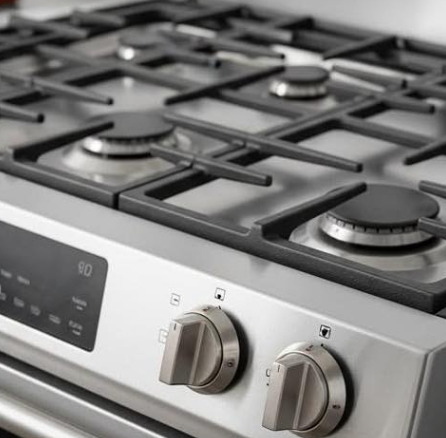
🍳 4. Clean Stovetop Burners and Grates
After cooking, burners can get covered in grease and grime.
- Remove the grates and wipe them down with a cloth dampened with vinegar.
- Soak the burners in a mixture of hot water and 4 tablespoons of vinegar for at least one hour.
- After soaking, scrub with a soft sponge and rinse.
⚠️ Common Mistakes to Avoid
- Never use metal scouring pads or steel wool. These create scratches that vinegar can’t fix.
- Avoid harsh chemical cleaners — they can dull or damage the surface over time.
- Don’t pour vinegar directly on live electrical elements such as induction cooktops without turning them off and allowing them to cool first.
- Always dry after cleaning. Leaving water behind can cause streaks or water spots.
❓ Frequently Asked Questions (FAQs)
1. Is vinegar safe for all stainless steel surfaces?
Yes — white vinegar is gentle and safe for most stainless steel finishes. Avoid acidic cleaners on any surface with manufacturer warnings against liquids.
2. Will vinegar remove rust?
It can help loosen light surface rust, but deeper rust may require a specialized cleaner.
3. Can I use vinegar on appliances like refrigerators and dishwashers?
Yes! Just apply with a soft cloth and avoid internal electronic components.
4. How often should I clean with vinegar?
Weekly maintenance is usually enough to keep surfaces shiny and grease‑free.
5. Will vinegar damage the finish?
Not when used correctly with soft cloths and without scrubbing too hard.
6. Can I mix vinegar with other cleaners?
No. Vinegar should never be mixed with bleach or ammonia‑based products.
7. Does vinegar leave a smell?
The vinegar smell fades quickly as it dries.
8. Can vinegar clean glass cooktops?
Yes — use a soft cloth and vinegar is effective on glass as well.
9. What’s better — vinegar or commercial stainless steel polish?
Vinegar is safer, cheaper, and gentler, though commercial polishes may add protective coatings some people prefer.
10. Can I use apple cider vinegar instead?
White vinegar works best because it’s clear and doesn’t leave residues or color behind.
🌟 Final Thoughts
With just one tablespoon of white vinegar and a few simple tools, you can transform your kitchen’s stainless steel surfaces without expensive products or harsh chemicals. From removing grease and stains to polishing dull plates and burners, this eco‑friendly method is one of the easiest ways to keep your kitchen looking beautiful and well‑cared‑for.
Ready to take your cleaning routine to the next level? Try combining these vinegar techniques with regular maintenance, and your kitchen will stay gleaming all year long!