Christmas Cactus: The Essential Steps to Make It Rebloom Every Year Effortlessly
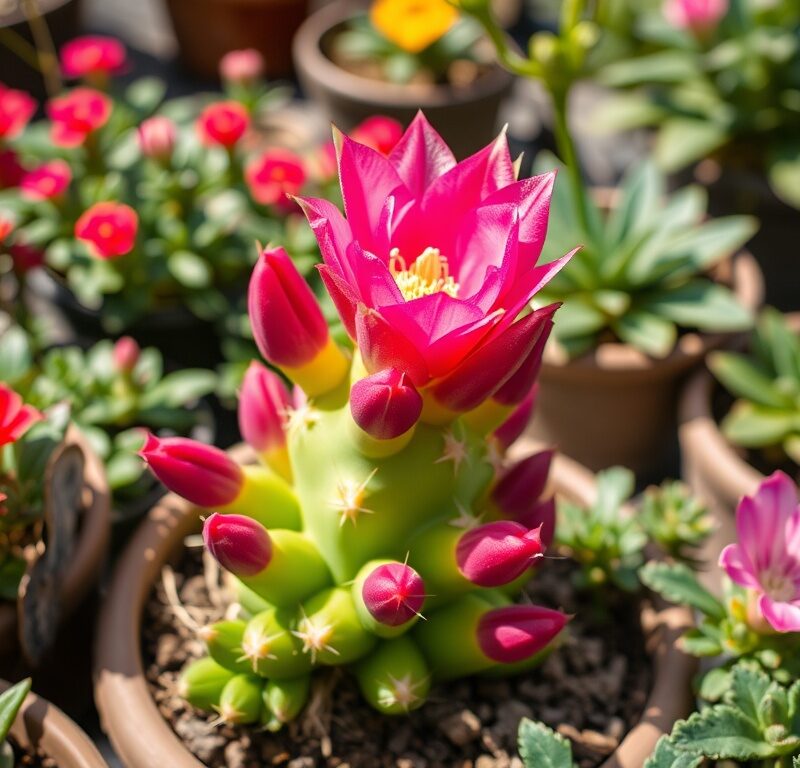
The Christmas cactus, scientifically known as Schlumbergera, is a true holiday marvel. Its vibrant, cascading blooms bring a splash of color and festive cheer to homes during the colder months, making it one of the most beloved houseplants. Unlike many other flowering plants, the Christmas cactus boasts a unique, segmented stem structure and an elegant, pendulous growth habit, adding a touch of exotic beauty to any indoor space. Its longevity is legendary; with proper care, these resilient plants can thrive and rebloom for decades, often becoming cherished family heirlooms passed down through generations.
Many plant enthusiasts mistakenly believe that getting a Christmas cactus to rebloom each year is a daunting task, fraught with complex requirements and unpredictable outcomes. This common misconception often leads to frustration when the plant fails to produce its spectacular display. However, the truth is far simpler than you might imagine. The secret to consistent, abundant blooms lies not in a gardener’s magic touch, but in understanding and mimicking the plant’s natural environment and seasonal cues.
This article aims to demystify the reblooming process, transforming it from a perplexing challenge into an effortless annual ritual. We’ll break down the essential steps, revealing the simple yet crucial factors that trigger magnificent flower production. By the end of this guide, you’ll be equipped with all the knowledge and practical tips needed to ensure your Christmas cactus bursts into glorious bloom, year after year, filling your home with its effortless beauty.
Understanding the Christmas Cactus: A Tropical Forest Dweller
Before we dive into the reblooming secrets, it’s vital to understand what kind of plant we’re dealing with. Despite its name and segmented appearance, the Christmas cactus is not a desert cactus in the traditional sense. This is a critical distinction that informs all aspects of its care. Instead, Schlumbergera species are epiphytic, meaning they naturally grow on other plants, typically trees, in the humid, dappled light of the tropical rainforests of southeastern Brazil.
This epiphytic origin explains its specific needs for light, humidity, and temperature, which are vastly different from the arid conditions favored by desert cacti. In its native habitat, it experiences consistent moisture from rain and high humidity, filtered sunlight, and distinct seasonal changes in day length and temperature, all without being rooted in soil. Its segmented stems are designed to store water and nutrients, allowing it to thrive in its arboreal environment. Understanding this background is the first step to unlocking its full blooming potential.
The Golden Rules for Reblooming: Light, Temperature, and Darkness
The Crucial Darkness Period (Late Summer/Early Fall)
This is arguably the most critical factor for initiating flower buds. Your Christmas cactus requires a specific period of uninterrupted darkness to trick it into believing winter is coming and it’s time to bloom. Specifically, it needs 12-14 hours of complete darkness each day for approximately 6-8 weeks. This process, known as photoperiodism, naturally occurs as days shorten in late summer and early fall.
To implement this, begin the process in late September or early October. Each evening, ensure your plant receives absolute darkness from dusk until dawn. This means placing it in a closet, covering it with a dark box or cloth, or moving it to a room where no artificial lights will be turned on during the dark period. Even the smallest amount of light, such as a street light shining through a window or the glow from a television, can disrupt the bud initiation process. Consistency is key here; interruptions can delay or prevent blooming altogether.
Temperature Control: The Cool Transition
Alongside the darkness period, cooler temperatures play a significant role in encouraging bud formation. During the 6-8 week bud-setting period, your Christmas cactus prefers temperatures between 50-65°F (10-18°C). These cooler conditions mimic the slight dip in temperature experienced in its native rainforest environment as the seasons change.
Avoid placing your plant in overly warm rooms during this time. An unheated spare room, a cooler hallway, or even a protected outdoor spot (if temperatures don’t drop below 50°F) can be ideal. Be mindful of sudden temperature fluctuations, as these can stress the plant and cause precious flower buds to drop before they even open. A gradual transition to cooler temperatures is always preferred.
Light During the Day: Bright, Indirect is Best
While darkness is crucial at night, your Christmas cactus still needs plenty of light during its “day” cycle. However, this light must be bright and indirect. Direct, harsh sunlight, especially from a south or west-facing window in the afternoon, can scorch its delicate segmented leaves and inhibit blooming. Remember, it thrives under the canopy of trees in its natural habitat.
An east-facing window is often considered ideal, providing gentle morning sun. Filtered light from a south or west-facing window, perhaps through a sheer curtain or by positioning the plant a few feet away from the window, can also work well. Ensure it receives consistent, indirect light for the duration of its “day” period to support healthy growth and energy production for flowering.
Essential Care Beyond the Bloom Cycle: Water, Humidity, and Nutrients
Watering Wisely: Less is More During Dormancy, More During Growth
Watering is a delicate balance for the Christmas cactus. It is highly sensitive to overwatering, which is a common culprit for root rot and plant demise. Always allow the top inch or two of the potting mix to dry out before watering again. When you do water, do so thoroughly until water drains from the bottom of the pot, then discard any excess water in the saucer.
During the active growth phase (spring and summer), water more frequently as the plant is using more moisture. However, during the bud-setting and blooming period, maintain a consistent watering schedule, allowing the soil to dry slightly between waterings. Crucially, during the resting period after blooming and during the darkness period for bud initiation, significantly reduce watering. The soil should be kept barely moist, not wet, to encourage stress that leads to blooming.
Humidity: Mimicking the Tropics
Given its rainforest origins, the Christmas cactus thrives in high humidity, ideally around 50-60%. This is often a challenge in heated indoor environments, especially during winter when furnaces dry out the air. Low humidity can lead to shriveled segments and, more importantly, bud drop.
To increase humidity, you can place the plant on a pebble tray filled with water (ensuring the pot doesn’t sit directly in the water). Grouping it with other humidity-loving plants can create a microclimate. A small room humidifier can also be highly beneficial, particularly during the dry winter months. Misting is a temporary fix but can help, especially around bud formation time.
Fertilization: Fueling the Flowers
Proper nutrition supports vigorous growth and abundant flowering. Fertilize your Christmas cactus during its active growth period, typically from spring through summer, and when buds are actively forming. Use a balanced liquid fertilizer, such as a 10-10-10, or a bloom-boosting fertilizer with a higher phosphorus content, diluted to half strength. Apply this every 2-4 weeks during these periods.
It’s crucial to stop fertilizing during the plant’s resting period, which occurs after blooming until early spring, and also during the darkness period dedicated to bud initiation. Over-fertilization can burn the roots and hinder blooming. Think of it as providing a boost when the plant is working hard, and allowing it to rest when it’s not.
Potting and Repotting: Snug is Best
Unlike many other houseplants that prefer ample room to grow, the Christmas cactus actually prefers to be slightly pot-bound. Being a bit snug in its pot can encourage blooming, as it signals to the plant that it needs to reproduce. Therefore, repotting should be an infrequent event.
Only repot your Christmas cactus every 2-3 years, or when you clearly see roots emerging from the drainage holes, indicating it’s truly outgrown its container. When you do repot, choose a pot that is only slightly larger than the previous one. Use a well-draining, peat-based potting mix. A good option is a cactus mix amended with perlite or orchid bark to further enhance drainage and aeration, mimicking its epiphytic roots’ need for air circulation.
Troubleshooting Common Issues & Post-Bloom Care
Why are my buds dropping?
Bud drop is one of the most frustrating issues for Christmas cactus owners, but it’s also one of the most common. Several factors can cause this. The primary culprits include sudden changes in temperature, insufficient humidity (especially in dry indoor heating), over or under-watering, or moving the plant once buds have already formed. Inconsistent darkness during the bud initiation phase can also be a cause. To remedy this, review the “Golden Rules” of light, temperature, and darkness, and adjust your care accordingly. Try to maintain stable conditions once buds appear, and ensure adequate humidity.
Post-Bloom Care: Rest and Rejuvenation
Once your Christmas cactus has finished its magnificent display, it needs a period of rest to recover and prepare for the next blooming cycle. After the last flower fades, reduce watering significantly, allowing the soil to dry out more thoroughly between waterings. Stop all fertilization during this time. This rest period should last for about 4-6 weeks, allowing the plant to rejuvenate before you resume normal spring care, including increased watering and the start of fertilization.
This is also an excellent time for pruning. Pinching off 2-3 stem segments after blooming can encourage bushier growth and a more compact plant, leading to more blooming points in the future. Simply twist off the desired segments at the joints. This practice helps the plant redirect energy into new growth and prepares it for another season of beauty.
Conclusion: Enjoy Your Effortless Blooms!
Bringing your Christmas cactus to bloom year after year doesn’t require a green thumb or complicated horticultural techniques. It simply demands an understanding of its natural needs and a commitment to providing the right environmental cues at the right time. The main takeaways are clear: consistent, uninterrupted darkness for 6-8 weeks, cool temperatures during bud initiation, and appropriate, consistent watering are the pillars of success.
With these straightforward steps and a little attention to detail, anyone can enjoy a reliable and spectacular display of Christmas cactus blooms. This rewarding plant not only adds vibrant color to your home but also serves as a beautiful reminder of the changing seasons and the simple joys of nurturing life. Embrace these practices, and prepare to be delighted by the effortless beauty your Christmas cactus will bring to your holiday season, year after year.