Boost Your Garden Naturally: Yeast Fertilizer for Garlic, Tomatoes & Cucumbers 🚜🌱
Gardening enthusiasts know that the right soil and nutrients can make the difference between average results and an abundant harvest. If you’ve ever wished your tomatoes were juicier, your cucumbers crisper, or your garlic bulbs bigger, you’re in the right place. In this comprehensive article, you’ll learn how to unlock extra growth using an easy, natural solution made from yeast — something most gardeners have in their pantry!
This isn’t just another quick tip — it’s a complete guide, with science‑backed insights, expert perspectives, practical tips, common mistakes to avoid, comparisons, and answers to the most frequently asked questions about using yeast in the garden.
🌿 Why Yeast? How It Works in the Garden
Yeast isn’t fertilizer in the traditional sense, but it plays a role in improving soil biology.
Dr. Maria Hernandez, Soil Microbiologist, explains: “Yeast introduces a range of enzymes and metabolites that can stimulate microbial activity in soil. While yeast itself doesn’t directly feed plants the same way nitrogen or phosphorus does, it supports soil life that does — and that can lead to improved nutrient availability over time.”
Here’s the idea in simple terms: yeast helps build better soil health. Healthy soil means happier roots, better nutrient absorption, and stronger plant growth.
What Yeast Actually Does
- Feeds beneficial microbes in the soil.
- Produces natural enzymes that can break down organic matter.
- Improves soil structure and moisture retention over time.
- May provide natural growth‑stimulating compounds.
It’s not magic fertilizer — but it can be part of a powerful, natural soil improvement program.
🧪 Step‑by‑Step: Preparing the Yeast Solution
Before you mix anything, it’s important to gather the correct ingredients and understand why each matters.
- Warm water: Activates the yeast.
- Sugar: Feeds the yeast so it becomes active.
- Active dry yeast: The living organism that begins the process.
Recipe:
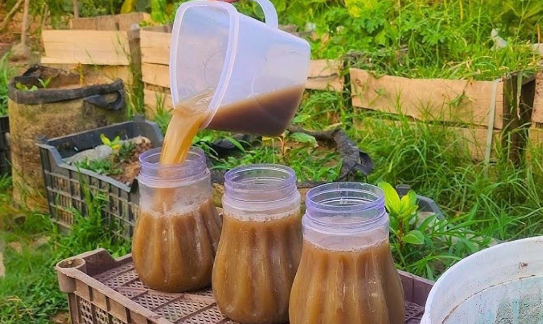
Mix 1 tablespoon of sugar with 1 liter (about 4 cups) of warm water. Add 1 teaspoon of active dry yeast. Let it sit 10–15 minutes until frothy.
Why froth matters: froth means the yeast is active and alive — which is essential for the solution to have any impact in the garden.
🌼 How to Use the Yeast Solution in Your Garden
There are two main application methods:
1. Foliar Spray (Spraying Leaves)
Spraying the solution onto leaves helps plants absorb nutrients and beneficial compounds directly through their foliage. This is especially useful when growth is slow or when leaves show early signs of nutrient deficiency.
2. Soil Drench (Pouring Around Plant Bases)
This method delivers the yeast solution to the soil where roots can benefit from improved microbial activity and nutrient availability.
Which method is best? Use foliar spray when plants are actively growing and leaves are green. Use soil drench when you’re preparing the soil or focusing on root development.
🌟 Frequency and Timing of Application
For optimal results, apply the yeast solution every two weeks during the growing season. Adjust as needed depending on plant health and weather conditions.
Important: Avoid spraying in direct midday sun — this can stress leaves. Early morning or late afternoon is ideal.
🍅 How Yeast Helps Specific Plants
Tomatoes
Yeast supports nutrient absorption for essential elements like nitrogen and potassium — key players in fruit size, flavor, and overall plant vigor.
Cucumbers
Cucumbers thrive when roots can access nutrients easily. Improved soil biology helps plants grow faster and produce more fruit.
Garlic
Garlic benefits from healthy soil microbes that help make micronutrients available, supporting larger, healthier bulbs.
📊 Nutrient Support & Functional Benefits Table
| Benefit | What It Does | How It Helps Plants | Application Impact |
|---|---|---|---|
| Microbial Stimulation | Feeds beneficial soil bacteria & fungi | Faster nutrient cycling in soil | Stronger roots, improved growth |
| Natural Enzymes | Break down organic matter | Releases nutrients tied up in compost | Better nutrient uptake |
| Improved Soil Structure | Supports soil life that binds soil particles | Better moisture retention and aeration | More vigorous plant growth |
| Foliar Absorption | Direct nutrient contact with leaves | Can boost chlorophyll production | Stronger, greener plants |
🔍 DIY vs Commercial Fertilizers
Let’s compare natural yeast solution with store‑bought fertilizers:
DIY Yeast Solution
- ✔ Uses kitchen ingredients
- ✔ Improves soil biology
- ✔ Low cost and eco‑friendly
- ✖ Not a substitute for essential plant nutrients (N, P, K)
Commercial Fertilizers
- ✔ Provides specific nutrients (e.g., nitrogen)
- ✔ Designed for measurable results
- ✖ Can be expensive
- ✖ May impact soil health long‑term if overused
Best Practice: Use yeast solution in combination with regular soil tests and balanced fertilization plans — it’s a supplement, not a stand‑alone fertilizer.
⚠️ Common Mistakes to Avoid
- Applying in direct sun: Can stress plants.
- Overuse: Too much organic matter can deplete oxygen in soil.
- Ignoring soil tests: Yeast helps biology but doesn’t replace missing minerals.
- Not mixing properly: Fresh yeast that doesn’t froth won’t be active.
💧 Extra Tips for Garden Success
- Combine with compost tea for enhanced microbial boost.
- Water deeply after soil drench so roots can access nutrients.
- Use in cool weather — yeast breaks down quickly in extreme heat.
❓Top 10 FAQs
1. Can yeast fertilizer replace traditional fertilizer?
No — yeast supports soil life but doesn’t supply targeted nutrients like nitrogen or phosphorus. Use it as a supplement.
2. Is this safe for edible plants?
Yes — it uses food‑grade ingredients. Always wash produce before eating.
3. Can I store the solution?
It’s best used fresh within 24–48 hours for maximum activity.
4. Will yeast attract pests?
A properly diluted solution shouldn’t attract pests if applied correctly and not overused.
5. Can I use other yeasts?
Active dry yeast is recommended because it’s predictable. Baking yeast works well.
6. How soon will I see results?
Soil biology changes gradually — you may notice healthier growth over a few weeks.
7. Can seedlings use yeast solution?
Use at a weaker concentration and as a foliar mist to avoid shocking young roots.
8. Is yeast fertilizer organic?
Yes — it uses natural ingredients and supports organic gardening practices.
9. How often should I apply?
Every two weeks during the growing season is a good baseline.
10. Can I combine yeast solution with other foliar sprays?
Yes, but always test a small area first to make sure there’s no plant sensitivity.
🌱 Conclusion: A Natural, Supportive Boost for Your Garden
Yeast fertilizer isn’t a miracle fertilizer — but when used thoughtfully, it can be a valuable tool in your gardening toolbox. It supports soil health, stimulates beneficial microbes, and enhances nutrient absorption. Combined with balanced fertilization, proper watering, and good gardening practices, it can help you grow bigger tomatoes, lush cucumbers, and healthier garlic.
Start with one application cycle, observe how your garden responds, and adjust based on results. Gardening is as much about observation as it is about technique. With patience and consistent practice, your plants will reward you!