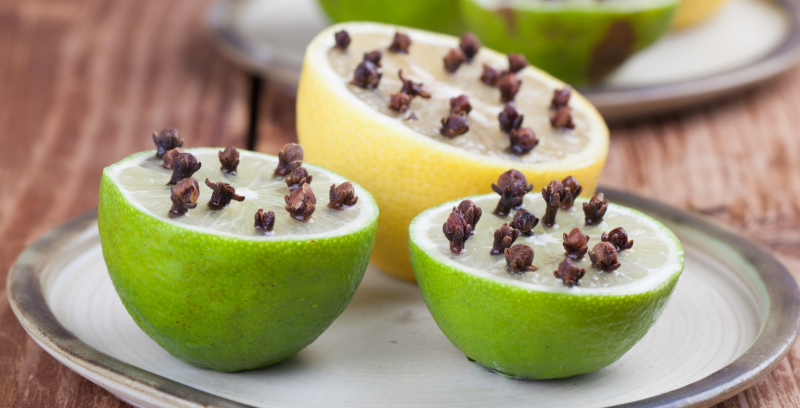
🌿 A Simple and Effective Way to Grow Cloves at Home for Natural Fragrance
Imagine stepping into your home and being greeted by the warm, spicy aroma of fresh cloves — not from a store-bought jar, but from your own thriving clove plant. Growing cloves at home may sound like a gardener’s dream, especially given their tropical origins, but with the right steps, even beginner gardeners can enjoy cultivating this fragrant and flavorful spice. Whether you want cloves for cooking, crafting, or simply enhancing your indoor air with natural scent, this guide will walk you through the process in the simplest way possible.
🌱 Why Grow Cloves at Home?
Cloves (Syzygium aromaticum) are aromatic flower buds from a tropical evergreen tree. They’re widely used in teas, baking, spice blends, and even homemade remedies. While cloves are usually imported, growing your own allows for:
- ✅ A fresh, continuous source of organic cloves
- ✅ A unique ornamental plant that adds fragrance and greenery
- ✅ An opportunity to explore slow gardening and tropical care techniques
Although they take time to mature, the satisfaction of harvesting your own cloves is well worth the wait.
🪴 Step-by-Step Guide: How to Grow Cloves at Home
Step 1: Selecting Quality Clove Seeds
Not all cloves can grow into plants — especially not dried ones from your spice rack. To successfully grow cloves, you’ll need fresh, viable seeds from a trusted nursery or online garden supplier. Look for seeds that are slightly moist, plump, and mold-free.
Step 2: Preparing the Pot and Soil
- Choose a pot with drainage holes (at least 8–10 inches deep for initial planting).
- Mix well-draining potting soil with compost and a small amount of perlite or sand.
- Moisten the soil lightly — it should be damp, not soaked.
Step 3: Planting the Seeds
Plant seeds about 2 cm deep in the soil. Space them 5–7 cm apart if planting more than one. Lightly cover them with soil and press down gently.
- Place a clear plastic bag or lid over the pot to create a humid greenhouse effect.
- Keep the pot in a location with bright, indirect sunlight.
- Maintain a warm temperature between 77°F and 86°F (25°C to 30°C).
Step 4: Watering and Seedling Care
Mist the soil gently each morning to maintain humidity. Avoid overwatering, which can lead to root rot.
- Germination typically takes 3–4 weeks.
- Once seedlings sprout, gradually remove the plastic cover over 3–5 days to help them adapt.
Step 5: Transplanting Seedlings
When seedlings reach 10–15 cm (4–6 inches) tall with several leaves, they can be moved to a larger pot or garden bed:
- Choose a spot with partial sun and protection from wind or cold.
- Ensure the soil remains moist but not soggy.
- Apply a light mulch to retain moisture and suppress weeds.
Step 6: Long-Term Care and Maintenance
Clove trees are slow-growing but rewarding over time. Here’s how to care for them:
- Fertilize lightly every 3–4 weeks using a balanced organic fertilizer.
- Maintain consistent moisture, especially during dry seasons.
- Watch for fungal problems — ensure good air circulation around the plant.
- Clove trees can grow up to 12–15 feet in containers over several years if well cared for.
Step 7: Flowering and Harvesting Fragrant Buds
Clove plants begin to produce flower buds in their 3rd to 6th year. These buds appear tight and reddish — this is when you harvest:
- Pick buds before they open into flowers (tight and dark in color).
- Dry the buds on a mesh rack in a shaded, ventilated area for 4–7 days.
- Store dried cloves in airtight jars away from light and moisture.
📊 Clove Growing Reference Table
| Stage | Requirement | Details | Timeframe |
|---|---|---|---|
| Seed Selection | Fresh, viable seeds | Not from spice jars; buy from garden suppliers | Before planting |
| Soil | Well-draining mix | Potting soil + compost + perlite/sand | Initial setup |
| Germination | Humidity, warmth | Plastic cover, 77–86°F, indirect sunlight | 3–4 weeks |
| Watering | Light misting | Keep soil damp, not soggy | Daily, morning |
| Transplanting | Partial sunlight | After seedlings reach 10–15 cm | 6–8 weeks after planting |
| Flowering | Consistent care | Occurs in 3–6 years with proper care | Year 3+ |
| Harvest | Unopened flower buds | Dry in shade, store airtight | Annually after maturity |
🌼 Common Mistakes to Avoid When Growing Cloves
Even experienced gardeners can face challenges. Here are some mistakes to avoid:
- ❌ Using dried grocery store cloves to plant — they won’t germinate.
- ❌ Overwatering — leading cause of seedling failure.
- ❌ Exposing seedlings to harsh sunlight too early.
- ❌ Skipping humidity control — cloves need tropical-like moisture.
- ❌ Lack of patience — cloves take years to mature and reward.
❓ 10 FAQs About Growing Cloves at Home
1. Can I grow cloves from the cloves in my spice rack?
No — these are dried and no longer viable. You must use fresh clove seeds.
2. How long does it take to harvest cloves?
Typically 3 to 6 years, depending on climate, care, and plant health.
3. Do cloves need full sun or shade?
They prefer bright, indirect light or partial sun — too much direct sun can burn seedlings.
4. Can cloves grow in containers?
Yes — as long as the container is deep (at least 12–18 inches) and well-draining.
5. How often should I water my clove plant?
Daily misting during germination; later, water when the topsoil feels dry.
6. What kind of fertilizer is best for cloves?
A balanced organic fertilizer every 3–4 weeks during the growing season.
7. Can I speed up germination?
Maintaining warmth and humidity (using a plastic cover) helps speed up sprouting.
8. Are cloves prone to pests or diseases?
They can suffer from fungal issues in high humidity — ensure air flow and avoid soggy soil.
9. What’s the best time of year to plant clove seeds?
Spring or early summer, when temperatures are consistently warm.
10. Is it better to start with seedlings instead of seeds?
If available, yes — seedlings offer a head start, but seeds are more budget-friendly and widely available.
🌟 Final Thoughts: A Fragrant Future From Your Garden
Growing cloves at home isn’t just about producing a spice — it’s about cultivating patience, connecting with nature, and creating a sensory-rich experience right in your living space. With steady care, warm temperatures, and a bit of tropical flair, you can turn a simple pot into a future harvest of fragrant buds. Let your home become a sanctuary of scent and spice, all rooted in one of the world’s most beloved plants — the clove.