What Happens to Your Body When You Add Cardamom to Your Food Every Day 🌿✨
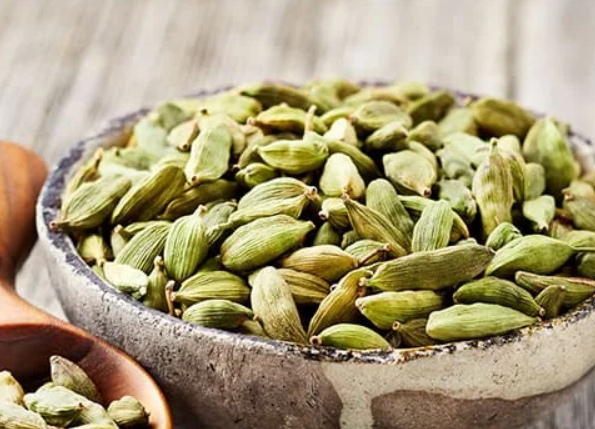
Cardamom isn’t just a fragrant spice used in curries, chai, and baked goods — it has been treasured for centuries in traditional medicine systems like Ayurveda for its soothing, digestive, and antioxidant properties. Known as the “queen of spices,” cardamom’s aromatic green pods are packed with essential oils and bioactive compounds such as cineole and polyphenols.
If you’re curious about the effects of incorporating cardamom into your daily meals, this article explores key ways your body may benefit — from improved digestion to oral freshness, inflammation balance, and more. Supported by research and expert insights, here’s what science and tradition suggest may happen when you add cardamom to your food every day. 🍽️🧠
—
Why Cardamom Sparks Interest in Wellness Routines
Cardamom’s aromatic seeds are not just flavorful — they’re rich in essential oils like cineole, terpinene, and limonene, plus polyphenols that act as antioxidants. These compounds interact with your body in subtle but meaningful ways, especially when used consistently as part of a balanced diet.
Traditional uses range from calming digestive discomfort to supporting respiratory health and oral hygiene. Emerging research suggests that daily intake of cardamom may offer gentle support across multiple body systems, making it a valuable addition to everyday cooking and beverages. Let’s break down the key areas of potential benefit. 🌱✨
—
1. Potential Gentle Support for Digestive Comfort 🍽️
Feeling bloated, gassy, or uneasy after meals can interfere with your comfort and sleep. Cardamom has long been used for its carminative properties — meaning it may help reduce gas buildup and support smooth digestion. The essential oils in cardamom can stimulate digestive enzymes and help relax digestive muscles, potentially making post‑meal discomfort less noticeable.
Adding cardamom seeds or powder to curries, stews, rice dishes, or even hot tea may help promote natural digestive ease over time. While individual responses vary, many people find this spice soothing for occasional bloating or heaviness. 🍲☕
—
2. Possible Reduction in Inflammation Markers 🔥
Chronic low‑grade inflammation is linked to fatigue, joint stiffness, and long‑term health concerns like metabolic imbalance. Cardamom’s polyphenols — plant compounds with antioxidant activity — may help neutralize free radicals and support your body’s internal balance.
Some studies have noted reductions in inflammation markers such as hs‑CRP and IL‑6 after regular cardamom intake, suggesting a potential role in fostering a calmer internal environment. These effects may be subtle and most effective when paired with a nutrient‑rich, whole‑food diet. 🥦📉
—
3. Potential Aid for Blood Sugar Stability 📉
Energy dips and spikes after meals can affect your mood, focus, and productivity throughout the day. Emerging research suggests that cardamom may help support better blood sugar responses by influencing insulin sensitivity and glucose metabolism.
Although it shouldn’t replace medical management for diabetes or pre‑diabetes, adding cardamom to your meals may complement balanced eating habits for steadier energy levels. Speak with your healthcare provider before making dietary changes if you have specific blood sugar concerns. 🍛🔬
—
4. Antimicrobial Properties for Oral Freshness 😷
Bad breath and occasional oral discomfort can be embarrassing in social or professional settings. Traditionally, chewing cardamom pods after meals has been used to freshen breath naturally.
One of cardamom’s key compounds, cineole, has antibacterial properties that may help inhibit some oral microbes, offering a natural option for freshness. Whether you add cardamom to your cooking or chew a pod post‑meal, its aromatic oils can provide a pleasant, cleansing sensation. 🍃✨
—
5. Support for Respiratory Ease 🫁
Seasonal congestion, coughs, or a heavy chest feeling can make breathing feel uncomfortable. Cardamom is used in traditional remedies as a mild expectorant — meaning it may support easier airflow by helping loosen phlegm and soothe airways.
Warm infusions of cardamom in tea or broth can provide comforting relief during cold seasons. These soothing properties combined with its aromatic scent make cardamom a gentle ally for respiratory ease. ☕🌬️
—
6. Antioxidant Boost for Skin and Overall Vitality ✨
Oxidative stress — caused by free radicals — can contribute to dull skin, fatigue, and premature aging. Cardamom’s flavonoids and polyphenols help combat oxidative stress, potentially enhancing radiance and overall vitality “from the inside out.”
While cardamom alone won’t replace comprehensive skin care or lifestyle habits, daily use as a spice may contribute antioxidant support that complements your nutrition and wellness routine. 🌟💪
—
How to Add Cardamom to Your Daily Diet 🥣
Incorporating cardamom into your meals doesn’t require major changes — this versatile spice pairs well with sweet and savory dishes alike. Here are practical ways to enjoy it daily:
- 🍵 Add to morning coffee or chai tea for warmth and aroma.
- 🍚 Sprinkle ground cardamom into rice dishes, stews, or grain bowls.
- 🥧 Use in oatmeal, yogurt, smoothies, or baked goods for a subtle floral note.
- 🥗 Mix into salad dressings or spice rubs for proteins and veggies.
Start with ¼ to ½ teaspoon per serving and adjust according to taste. Because cardamom is potent, a little goes a long way! 🌿💫
—
Expert Insights
Dr. Nadia Rahman, Nutritionist: “Cardamom’s essential oils and polyphenols make it more than just a flavor enhancer. Consistent use adds not only taste but potential digestive and antioxidant benefits to meals, especially when coupled with a balanced diet rich in plants and fiber.”
Prof. Ravi Patel, PhD, Food Science: “Research is growing on cardamom’s bioactive compounds. While effects may be mild, regular culinary use supports wellness without added calories or artificial ingredients.” 🍽️📘
—
Frequently Asked Questions (FAQs) ❓
- Is it safe to consume cardamom every day?
Generally, yes — culinary use in food is safe for most adults. If you have specific health conditions or allergies, consult a clinician. - Can cardamom help with stomach cramps?
Many people find its carminative properties soothing for occasional cramps or gas. - Does it have caffeine?
No — cardamom is naturally caffeine‑free and works well in both morning and evening recipes. - Is it good for weight loss?
It may support metabolic health as part of a balanced diet, but it is not a standalone weight‑loss agent. - Can kids eat food with cardamom?
Yes, in culinary amounts — but always introduce new spices gradually with children. - Will it help bad breath immediately?
Chewing a fresh pod can offer immediate freshness, while long‑term dietary use supports oral comfort. - Can it help with allergies?
Cardamom’s respiratory support may feel soothing, but it should not replace allergy treatment. - Is green or black cardamom better?
Green cardamom is milder and sweeter — most commonly used in daily cooking. - How much should I use per day?
A culinary dose of ¼–½ teaspoon per meal is a good starting point. - Can it upset the stomach?
In large amounts, any spice could cause discomfort. Stick to moderate culinary use. 🌱
—
Conclusion 🌟
Adding cardamom to your food every day is a simple, flavorful way to support your body’s natural systems — from digestion and breath freshness to antioxidant balance and respiratory comfort. While its effects are mild and best experienced over time, cardamom’s rich history and emerging research make it a spice worth savoring.
Whether you love it in chai, savory curries, or sweet treats, this vibrant spice offers more than just taste — it’s an aromatic boost for your wellness routine. 🌿✨