8 Conditions Linked to Drooling While Sleeping You Should Get Checked
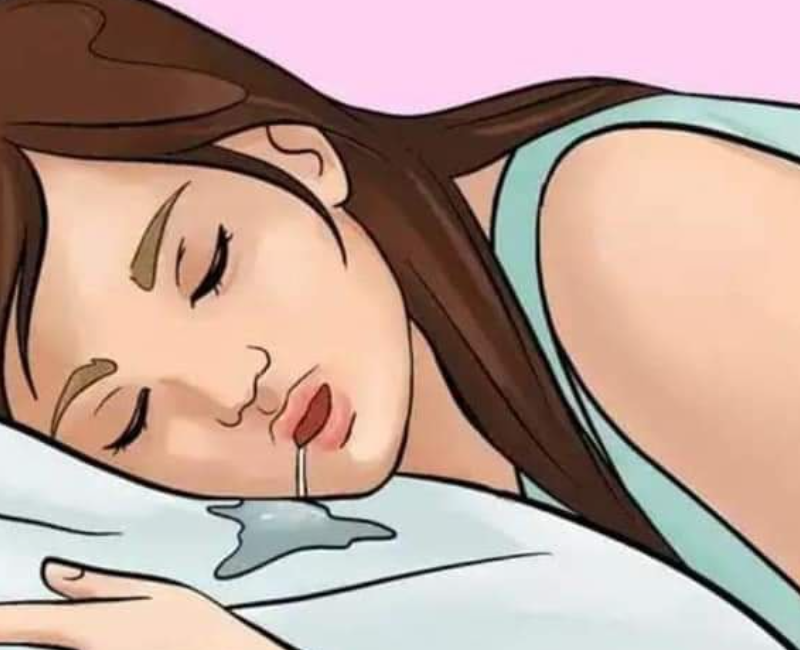
😴 Waking up with a damp pillow and saliva at the corner of your mouth can feel frustrating — or even a little embarrassing. But what if that drooling at night isn’t just a quirky habit, but your body’s way of signaling an underlying issue?
Nocturnal drooling — known medically as nocturnal sialorrhea — affects countless adults, often without them realizing it could be tied to a health condition. While sometimes harmless, frequent drooling during sleep may point to issues ranging from breathing difficulties to neurological disorders. 🧠
Let’s break down what doctors and research say about why it happens, what conditions it could be linked to, and when to seek help.
🌙 Why Drooling Happens More at Night
During sleep, your body relaxes. Your swallowing reflex slows, saliva production continues, and if you’re breathing through your mouth, saliva may begin to escape. Gravity also plays a role — especially when side or stomach sleeping.
But when drooling becomes frequent or excessive, medical experts — including those at the Cleveland Clinic and Mayo Clinic — suggest it could relate to muscle tone, nerve signals, medications, or airflow issues.
🩺 8 Health Conditions That May Cause Nighttime Drooling
8. Nasal Congestion or Sinus Blockage
Allergies, chronic sinusitis, or colds can block nasal passages, forcing mouth breathing and increasing drooling.
- 🤧 Common symptoms: Stuffy nose, post-nasal drip
- 🛌 Solution: Try nasal strips, decongestants, or treating underlying allergies
7. GERD (Gastroesophageal Reflux Disease)
Reflux can trigger extra saliva production as your body tries to neutralize acid. This can worsen when lying flat.
- 🔥 Common symptoms: Heartburn, sour taste, nighttime coughing
- 🩺 Tip: Avoid eating late, elevate head during sleep, see your doctor
6. Medication Side Effects
Certain medications may stimulate excessive saliva production or impair your ability to swallow during sleep.
- 💊 Common culprits: Antipsychotics, Alzheimer’s medications, cholinergic drugs
- 🔄 Talk to your doctor about adjusting dosage or switching medications
5. Obstructive Sleep Apnea (OSA)
Sleep apnea causes disrupted breathing at night, often leading to mouth breathing and excess drooling.
- 😴 Common symptoms: Loud snoring, gasping, daytime fatigue
- 🩺 Diagnosis: Confirmed via sleep study; treatment may involve CPAP
4. Throat Infections or Irritation
Swollen tonsils, strep throat, or post-nasal drip can temporarily increase saliva and interfere with normal swallowing.
- 🤒 Signs: Sore throat, mucus buildup, coughing
- 💡 Usually resolves after treating the infection
3. Stroke or Recent Neurological Event
Strokes often affect muscle coordination on one side of the body, impairing lip closure and swallowing reflex.
- ⚠️ Sudden symptoms: Drooling, facial droop, slurred speech
- 🚨 Emergency care is critical — seek immediate attention
2. Parkinson’s Disease
Up to 80% of Parkinson’s patients experience drooling due to reduced swallowing frequency.
- 🧠 Other signs: Tremors, muscle stiffness, slow movement
- 🩺 Discuss symptom management with your neurologist
1. Other Neurological Conditions (ALS, MS, Cerebral Palsy)
Conditions affecting nerve function can impair swallowing and saliva control, leading to chronic drooling.
- 🩺 Disorders include: Amyotrophic lateral sclerosis (ALS), multiple sclerosis (MS), cerebral palsy
- 🔍 Regular monitoring and therapy can help manage symptoms
📊 Summary Table: Conditions and Common Clues
| Condition | Why It Causes Drooling | Common Symptoms |
|---|---|---|
| Sleep Apnea, Sinus Congestion | Mouth breathing | Snoring, fatigue |
| GERD, Infections | Excess saliva production | Heartburn, sore throat |
| Medications, Stroke | Swallowing difficulties | Speech issues, weakness |
| Parkinson’s, Neurological Disorders | Muscle/nerve dysfunction | Tremors, coordination problems |
💬 Real-Life Examples: Drooling Wasn’t Just a Quirk
Laura, 58: Noticed worsening drooling with snoring. A sleep study revealed obstructive sleep apnea. Using a CPAP machine reduced both symptoms significantly.
David, 65: Dealt with drooling during reflux episodes. Managing his GERD with lifestyle and medication changes eased symptoms quickly.
🛡️ What To Do If You Drool Often at Night
Occasional drooling can be normal — but if it’s persistent, or linked to other symptoms, take action:
- 📆 Track how often it happens
- 😴 Try sleeping on your back or using nasal strips
- 🗣️ Talk to your doctor — mention all symptoms and medications
- 🧪 A sleep study or neurological exam may be helpful
📝 When to Seek Medical Advice
| When | Why It Matters | What to Do |
|---|---|---|
| Snoring + drooling | Possible sleep apnea | Request a sleep study |
| Sudden drooling onset | Could signal stroke | Seek urgent care |
| Ongoing + other symptoms | May indicate a treatable condition | Get full checkup |
🔟 FAQs About Drooling During Sleep
- Is drooling while sleeping normal?
Occasionally, yes. Frequent or excessive drooling may signal an underlying issue. - Can allergies cause drooling?
Yes — nasal congestion can lead to mouth breathing and drooling. - Does drooling mean I have sleep apnea?
It’s a potential sign. Snoring, fatigue, and choking sensations may also point to OSA. - Are medications a common cause?
Yes — several drugs can increase saliva or impair swallowing at night. - Can GERD lead to drooling?
Yes, reflux may trigger excess saliva, especially when lying down. - Is it linked to Parkinson’s?
Yes — drooling is a frequent symptom in Parkinson’s due to muscle control issues. - How can I reduce drooling at night?
Try adjusting sleep posture, reviewing medications, and managing allergies or reflux. - Does drooling mean something serious?
Not always — but persistent or new symptoms deserve medical attention. - Should I see a sleep specialist?
Yes, especially if drooling is paired with snoring, gasping, or fatigue. - Can hydration or room humidity help?
Yes — staying hydrated and using a humidifier may reduce mucus production and irritation.
✅ Final Thoughts: Drooling May Be a Clue, Not Just an Inconvenience
What seems like a minor annoyance could be your body asking for support. From sleep apnea to neurological issues, persistent nighttime drooling deserves attention. Most causes are manageable — and often, relief comes with small adjustments or targeted care.
Take note, talk to your provider, and trust your instincts. If something feels off, a simple check could bring peace of mind (and a drier pillow). 🛌
This article is for informational purposes only and not intended as medical advice. Always consult your healthcare provider for personalized diagnosis and treatment.