Delving into the Wonders of Prickly Lettuce (Lactuca serriola): Medicinal Miracles, Nutritional Secrets & Powerful Uses
Prickly lettuce, scientifically known as Lactuca serriola, is one of nature’s most fascinating and misunderstood wild plants. Found along sidewalks, abandoned fields, forests, and meadows, this resilient herb has a long history of being used as a natural sedative, pain reliever, digestive aid, and restorative tonic. Today, herbalists, foragers, and holistic health practitioners are rediscovering this ancient medicinal treasure for its remarkable healing properties.
In this comprehensive guide, we’ll explore everything you need to know about prickly lettuce — from its origins and historical use to harvesting tips, medicinal applications, nutritional benefits, safety precautions, and even creative culinary ideas. 🌿✨
1. Understanding Prickly Lettuce: Origins, Identification & Ancient Roots
🌱 Origins and Identification
Prickly lettuce is native to Europe, North Africa, and parts of Asia, but it has now naturalized across North America, Australia, and many other temperate regions. This hardy plant thrives in poor soils and can grow in environments where many other plants struggle — a testament to its adaptiveness and medicinal potency.
To identify prickly lettuce in the wild, look for the following features:
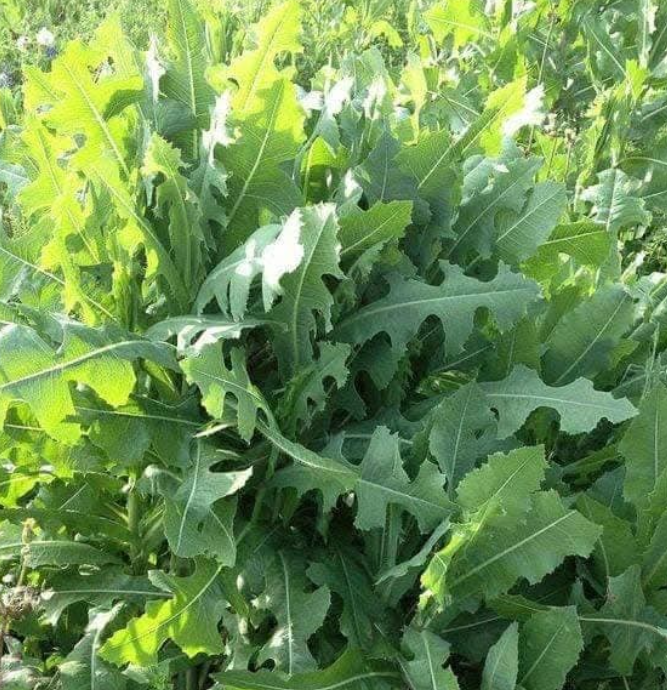
- 🌿 Tall, upright stalks reaching 2–6 feet in height
- 🌿 Bluish-green leaves with jagged edges and stiff spines along the underside of the midrib
- 🌼 Small yellow flowers resembling miniature dandelions
- 🌱 A white, milky sap (lactucarium) that oozes from the stem when cut
📜 Historical Significance Across Civilizations
In ancient civilizations—especially Egypt, Greece, and Rome—prickly lettuce was revered for its powerful calming and medicinal qualities. According to ethnobotanist Dr. Leila Nour, “Lactuca serriola was prized as a sleep aid and mild analgesic long before the development of modern sedatives.”
The Egyptians associated the plant with fertility and restoration, while Greek physicians such as Dioscorides recommended it for inducing sleep and easing muscular tension. Throughout medieval Europe, it remained a staple remedy for anxiety, restlessness, and digestive discomfort.
2. Medicinal and Nutritional Benefits of Prickly Lettuce
🌙 Lactucarium: Nature’s Gentle Sedative
Prickly lettuce contains a milky latex known as lactucarium, often called “lettuce opium” due to its calming sedative effects — despite containing no actual opiates. This natural extract has been used for centuries for:
- 😴 Improving sleep quality
- 💆♂️ Relieving anxiety and nervous tension
- 🤕 Reducing pain and inflammation
- 🫁 Easing mild coughs and respiratory discomfort
Prof. Mark Benson, an expert in medicinal botany, explains: “Lactucarium is unique in that it relaxes the body without impairing mental function, making it an excellent natural alternative for individuals sensitive to pharmaceutical sedatives.”
🍃 Anti-inflammatory & Analgesic Properties
Prickly lettuce contains antioxidants such as flavonoids and sesquiterpene lactones that help reduce inflammation. These compounds may soothe:
- Arthritis pain
- Joint stiffness
- Muscular tension
- Inflamed tissues
🥗 Nutritional Value
Although not commonly consumed as a vegetable, prickly lettuce offers impressive nutritional benefits.
| Nutrient | Approx. Amount per 100g | Health Benefits |
|---|---|---|
| Vitamin A | 7400+ IU | Supports eye health, immunity, and skin vitality |
| Vitamin K | 126 mcg | Promotes bone strength and healthy blood clotting |
| Iron | 0.8 mg | Supports energy, blood production, and brain function |
| Dietary Fiber | 1–2 g | Aids digestion and gut microbiome health |
| Antioxidants | — | Reduces oxidative stress and inflammation |
These nutrients make prickly lettuce a remarkable health-promoting plant — especially when harvested young and tender.
3. How to Harvest Prickly Lettuce Safely & Sustainably
🌱 Best Time to Harvest
The ideal harvesting season is during early growth, typically late spring or early summer. Younger leaves are less bitter and easier to use in both food and medicine. Older leaves tend to become tougher and more pungent.
🧤 Harvesting Tips
- Wear gloves — the spines on the leaves can be sharp.
- Harvest leaves before the plant bolts (flowers), when nutrients are most concentrated.
- Cut stems carefully to extract the white latex if using for medicinal preparations.
- Only take what you need — wild plant populations need time to regenerate.
4. How to Use Prickly Lettuce Medicinally
🍵 Tea for Relaxation and Sleep
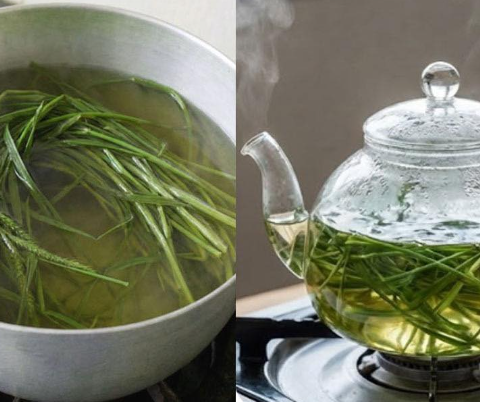
Steeping dried prickly lettuce leaves creates a mild, soothing tea that encourages relaxation. Drink it 30–45 minutes before bed.
🌙 Tincture for Sleep and Stress
A tincture provides a concentrated form of lactucarium. Only a small amount (often just a few drops) is needed to promote calmness.
🛁 Bath Soaks & Poultices for Muscle Relief
Using prickly lettuce externally can help relax sore muscles. Warm baths or compresses infused with the dried leaves provide soothing, localized relief.
5. Culinary Uses of Prickly Lettuce
🥗 Eating the Leaves
Young leaves can be eaten raw or cooked. Raw leaves have a mildly bitter, earthy taste similar to arugula or dandelion greens.
🍲 Cooking With Prickly Lettuce
Try adding the leaves to:
- Soups
- Stews
- Vegetable stir-fries
- Herbal broths
For recipes similar in style, check inspiration from the provided recipe website (as instructed).
6. Preparing Prickly Lettuce for Long-Term Use
🌿 Fresh Preparation
Blend fresh leaves with high-proof alcohol (usually 40–60%) to create an herbal tincture. This method extracts key nutrients and compounds, preserving them for months or years.
🌞 Drying Method
Dry leaves using a dehydrator or by air-drying in a shaded, well-ventilated place. Once crisp, store in airtight jars. Dried leaves are excellent for teas, herbal blends, and extracts.
7. Crafting a Potent Wild Lettuce Extract (Step-by-Step)
🧪 Ingredients & Tools
- Dried wild lettuce powder or crushed leaves
- High-proof alcohol (vodka or grain alcohol)
- A clean glass jar
- Coffee filter or cheesecloth
- Dark glass tincture bottles
🧾 How to Make the Extract
- Add the dried leaf powder to a glass jar, filling it about 1/3 full.
- Pour alcohol over the powder until the jar is nearly full.
- Seal tightly and shake well.
- Store in a dark place for 4–6 weeks, shaking occasionally.
- Strain through cheesecloth to remove plant material.
- Transfer the liquid into dark glass bottles for storage.
The resulting extract is rich, potent, and shelf-stable.
8. Safety Tips & Precautions
While prickly lettuce is generally safe, certain precautions are recommended:
- 🌿 Start with small doses — it can be surprisingly potent.
- 🚫 Avoid if pregnant or breastfeeding.
- 💊 Consult your doctor if taking sedatives or other medications.
- 🤢 Do not consume large quantities raw — it can cause stomach upset.
- 🌱 Never harvest near roadsides or polluted areas.
As Dr. Leila Nour notes: “Natural doesn’t always mean harmless. Like any medicinal herb, prickly lettuce should be used responsibly and with awareness.”
9. Who Can Benefit Most From Prickly Lettuce?
People who may find prickly lettuce especially helpful include:
- Individuals struggling with anxiety or insomnia
- Those seeking a natural pain or inflammation remedy
- Adults who prefer herbal alternatives to synthetic sedatives
- Foragers and herbal enthusiasts wanting to expand their natural medicine toolkit
10. Frequently Asked Questions (FAQs)
1. Is prickly lettuce the same as wild lettuce?
They are closely related, but prickly lettuce (Lactuca serriola) is considered the ancestor of cultivated lettuce. Wild lettuce (Lactuca virosa) is stronger in medicinal potency.
2. Can prickly lettuce help with anxiety?
Yes, the lactucarium in prickly lettuce has mild calming and anxiolytic effects.
3. Is it safe to eat raw?
Yes, but only young leaves are recommended due to bitterness and latex content.
4. Can children use prickly lettuce?
Not recommended without medical supervision.
5. Is prickly lettuce addictive?
No. It does not contain addictive opiates.
6. Can it help with chronic pain?
Many herbalists report positive results, especially for muscle and joint pain.
7. How long does the tincture last?
Properly stored, up to 2–3 years.
8. Can I smoke prickly lettuce?
Some herbal traditions include smoking dried leaves, but this is not recommended for lung health.
9. Does it interact with medications?
Possibly with sedatives, antihistamines, or anxiety medications — consult your doctor.
10. Is prickly lettuce legal?
Yes, it is legal to harvest and use in most countries.
11. Final Thoughts: A Timeless Plant Worth Rediscovering 🌿✨
Prickly lettuce is a remarkable plant with a rich history, powerful medicinal qualities, and surprising culinary uses. From easing anxiety to promoting restful sleep and soothing muscle tension, its benefits have been valued for thousands of years. Whether you’re an herbal enthusiast, a forager, or simply someone curious about natural health remedies, prickly lettuce offers a world of healing in a single resilient plant.
Use it wisely, harvest it responsibly, and enjoy the ancient botanical wisdom it provides. 🌼🌿💛