Plantago Major: 7 Powerful Benefits of Nature’s Unsung Medicinal Herb 🌿
Plantago major — also known as broadleaf plantain, greater plantain, or “common plantain weed” — is a humble herbaceous plant found in backyards, fields, and sidewalks across the globe. While often overlooked as a weed, this plant holds centuries of respect in traditional medicine systems and is increasingly gaining recognition in modern herbal and scientific circles. From soothing wounds to supporting digestion, Plantago major is a quiet powerhouse in the plant world.
In this in-depth article, we’ll explore the top 7 benefits and uses of Plantago major, supported by scientific insights, expert commentary, and practical tips on how to use it safely and effectively. Whether you’re an herbal enthusiast, a gardener, or simply curious about nature’s pharmacy, Plantago major is a plant worth knowing. 🌼
🌱 What Is Plantago Major?
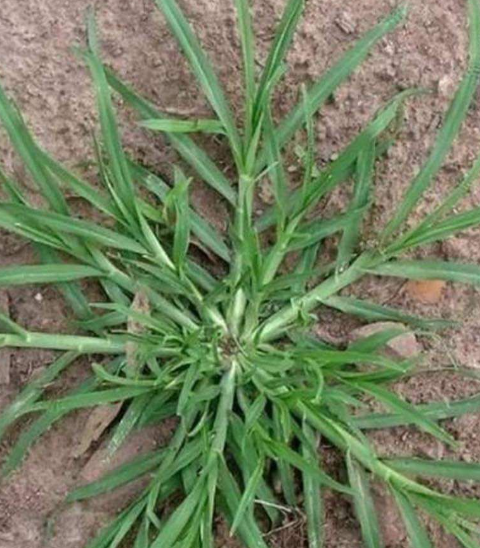
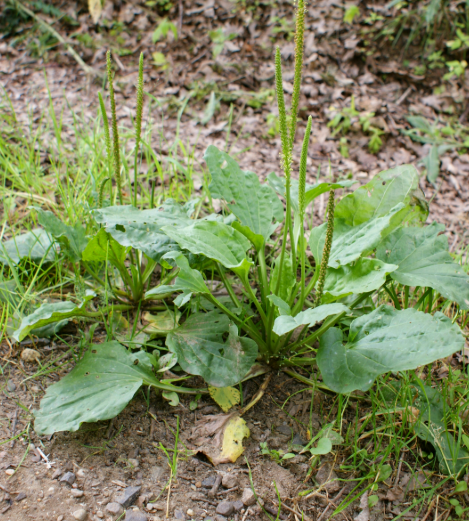
Plantago major is a perennial herb native to Europe and Asia but now naturalized around the world. It thrives in compacted soils, disturbed lands, and even cracks in sidewalks. The plant is low-growing, with rosettes of broad, ribbed leaves and tall stalks of tiny greenish flowers that produce seeds prolifically.
While it looks unassuming, this plant contains a rich pharmacological profile: flavonoids, iridoid glycosides (like aucubin), phenolic acids, mucilage, tannins, and more. These compounds contribute to a variety of effects — anti-inflammatory, antimicrobial, antioxidant, and soothing — giving the plant its reputation as a traditional herbal remedy. 🧪
🧬 Active Compounds in Plantago Major
| Compound | Function / Effect |
|---|---|
| Aucubin (iridoid glycoside) | Anti-inflammatory, antimicrobial, hepatoprotective |
| Baicalein (flavonoid) | Anti-inflammatory, antioxidant |
| Apigenin (flavonoid) | Anti-cancer, antioxidant, anti-anxiety |
| Phenolic acids (e.g., caffeic acid) | Antioxidant, anti-inflammatory |
| Mucilage | Soothing, demulcent, gastrointestinal support |
| Tannins | Astringent, helps with wound healing |
🌿 7 Benefits and Uses of Plantago Major
1. Anti-Inflammatory Properties
Plantago major contains aucubin and baicalein, both powerful anti-inflammatory compounds. These help reduce inflammation in tissues — making the plant useful in managing arthritis, sore muscles, and inflammatory skin conditions. A 2015 study published in the journal *Inflammation* found that extracts of Plantago major significantly reduced markers of inflammation in lab models. 🧬
2. Wound Healing & Skin Care
This plant has been called the “band-aid plant” for a reason. Traditionally used to treat cuts, scrapes, insect bites, and minor burns, Plantago leaves can be crushed and applied directly to wounds. Scientific research supports its efficacy: a 2019 animal study showed that Plantago major significantly accelerated wound healing, with increased collagen production and reduced infection risk. Its antimicrobial tannins and mucilage also protect and soothe damaged skin.
3. Respiratory Relief
Plantain’s mucilage content gives it demulcent (soothing) properties, which help calm inflamed mucous membranes in the respiratory tract. Herbalists often recommend plantain tea or syrup to soothe coughs, bronchitis, and asthma symptoms. Its anti-inflammatory and antimicrobial actions make it a supportive herbal ally during cold and flu season.
4. Digestive Health Support
Broadleaf plantain has long been used to relieve stomach aches, ulcers, and irritable bowel issues. The mucilage coats and protects irritated mucous membranes in the digestive tract, while aucubin may help combat pathogens or harmful bacteria. It’s particularly useful for soothing acid reflux, gastritis, and mild IBS symptoms.
5. Antioxidant Defense
Plantago major’s flavonoids and phenolic acids fight oxidative stress by neutralizing free radicals — unstable molecules that can damage cells and contribute to aging and chronic disease. Regular use (via teas, tinctures, or even salads) may support cellular health and reduce the risk of oxidative-related diseases such as cardiovascular issues and metabolic disorders.
6. Urinary Tract and Kidney Health
Plantain leaves are mildly diuretic, encouraging the elimination of toxins via increased urination. This makes the herb useful for urinary tract infections (UTIs), kidney cleansing, and reducing water retention. Combined with its antimicrobial effects, Plantago major may help prevent mild infections and support kidney health when used as a tea.
7. Natural Skincare and Beauty
Thanks to its anti-inflammatory, soothing, and antimicrobial properties, Plantago major is a natural fit for skincare. It’s used in herbal salves, lotions, and balms to treat acne, eczema, bug bites, and rashes. The plant helps reduce redness, soothe itching, and support faster healing — all while being gentle on sensitive skin.
⚠️ Safety and Precautions
- While generally safe, some individuals may have allergic reactions or sensitivity to Plantago major, especially in topical form.
- Always patch test before applying to large skin areas.
- If you are pregnant, nursing, or on blood thinners, consult your healthcare provider before using.
- Use only clean, unsprayed plants harvested from safe environments.
🌼 How to Use Plantago Major
Topical Applications:
- Fresh poultice: Crush leaves and apply directly to cuts, bites, or inflamed skin.
- Infused oil: Soak leaves in carrier oil (like olive or almond oil) for 2–3 weeks and use as a skin salve base.
- Salve: Combine infused oil with beeswax to make a soothing balm for skin irritation.
Internal Use:
- Tea: Steep 1–2 tsp dried leaves in hot water for 10 minutes. Drink for digestive, respiratory, or urinary support.
- Syrup: Combine strong plantain tea with honey to make a soothing cough syrup.
- Salad: Young leaves (before flowering) can be added to salads or smoothies for a chlorophyll-rich boost.
🧑⚕️ Expert Insight
Dr. Leila Nour, PhD (Herbal Medicine): “Plantago major is one of the most versatile herbs in Western folk medicine. Its anti-inflammatory and mucilaginous properties make it invaluable for both internal and external healing. It’s an underappreciated gem — especially for those interested in self-sufficient natural wellness.”
📝 10 Frequently Asked Questions About Plantago Major
1. Is Plantago major edible?
Yes. Young leaves are edible and can be used in salads, soups, or smoothies. Older leaves become fibrous and are better used for infusions or poultices.
2. Can Plantago major help with acne?
Yes. Due to its antibacterial and anti-inflammatory effects, plantain-infused oil or salves can reduce acne flare-ups and redness.
3. Is it safe for children?
Generally yes. Mild topical applications are considered safe for children, but always test for allergies first and avoid internal use without professional guidance.
4. What’s the difference between Plantago major and psyllium?
Both are in the Plantago genus. Psyllium comes from P. ovata and is known for its fiber-rich seed husks used in digestive health. P. major is more commonly used for skin, inflammation, and mucous membrane support.
5. Can I dry and store the leaves?
Yes. Harvest young, healthy leaves, rinse them, and dry in a cool, shaded area. Store in an airtight container for up to a year.
6. Can Plantago major treat UTIs?
Possibly. Its mild diuretic and antimicrobial effects may support UTI relief, but it is not a replacement for antibiotics in severe cases. Consult your doctor.
7. Is it safe to use while pregnant?
Not enough data. Some herbalists allow mild external use during pregnancy, but internal use should be avoided unless supervised by a qualified practitioner.
8. What does Plantago major taste like?
Mild and earthy. Young leaves have a neutral, grassy flavor, while tea has a green, slightly bitter profile.
9. Can I use it on pets?
Yes — with caution. It’s often used in herbal vet care for minor skin wounds in dogs or horses. Consult a holistic vet before internal use.
10. Where can I find it?
Everywhere! It grows abundantly in lawns, parks, and roadsides. Just ensure your source is free of pesticides or pollutants.
🌿 Final Thoughts: Nature’s Green First-Aid
Plantago major is more than just a weed — it’s a potent herbal ally, with centuries of use and a growing body of scientific support. From aiding wound healing to easing digestion, this plant is truly multifunctional. Accessible, easy to use, and gentle on the body, Plantago major is an essential herb for natural wellness seekers.
Whether you drink it as tea, apply it as a poultice, or grow it in your garden, this plant deserves a place in your herbal toolkit. Just remember — as with any herbal remedy, it works best when paired with knowledge, caution, and respect. 🌿