Grape Hyacinth (Muscari): A Tiny Spring Wonder with Beauty, Tradition & Care 🌸
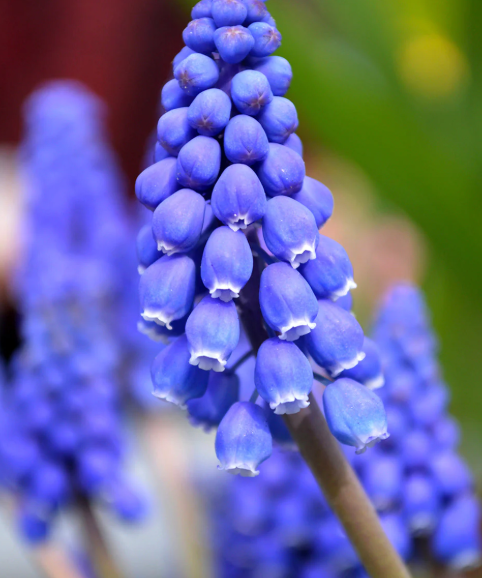
When spring arrives and lawns and gardens awaken, few sights are as charming as carpets of blue‑violet mini‑bells rising through the soil. The delicate clusters of flowers belong to the genus Muscari, commonly known as grape hyacinths. Though often grown purely for their cheerful spring bloom, some species — especially traditional ones — have a history of more practical uses. But as with many wild or semi‑wild plants: there is beauty, history, and caution all bundled together.
What Are Grape Hyacinths? Botanical Basics
Muscari is a genus of perennial bulbous plants in the asparagus family (Asparagaceae), not to be confused with the “true” hyacinths. :contentReference[oaicite:1]{index=1} These plants produce narrow, strap‑like leaves early in spring, followed by one or more flower stalks bearing dense clusters (racemes) of small, urn- or bell-shaped flowers. The typical colors are varying shades of blue or purple, though white and pale variants exist. :contentReference[oaicite:2]{index=2}
After the flowering period (typically March to May, depending on species and climate), the foliage dies back. In suitable climates the bulbs remain in the ground and re-emerge year after year; some species multiply rapidly and naturalize, creating dense “blue rivers” of bloom under trees, in rock gardens, or among lawns. :contentReference[oaicite:3]{index=3}
Why Grape Hyacinths Are Garden Favorites
🌼 Early Spring Flowering & Visual Charm
The dense clusters of blue‑violet buds that open in early spring — often before many other flowers — give gardens a welcome burst of color after winter. Because they naturalize well, a small planting can become a recurring spectacle year after year. :contentReference[oaicite:4]{index=4}
🐝 Support for Pollinators
Grape hyacinths bloom early — making them one of the first sources of nectar and pollen for bees and other spring pollinators emerging from winter hibernation or migration. :contentReference[oaicite:5]{index=5}
🌿 Low‑Maintenance, Hardy & Versatile
These bulbs thrive in a variety of soils (as long as drainage is decent), tolerate cold winters in many hardiness zones, and require little care once established. They are good in lawns, rock gardens, borders, under trees, or even in pots — offering great flexibility. :contentReference[oaicite:6]{index=6}
Traditional Uses & Edibility: What History Says (… and What Modern Sources Warn)
There’s a long tradition — especially around the Mediterranean — of using certain species of grape hyacinth (or closely related bulbs) as food. However, modern botanical and toxicological sources urge caution. What follows is a balanced view of both sides.
🍽️ Historical / Traditional Culinary Use
One species — Muscari comosum (also known as the “tassel hyacinth” or sometimes linked under regional names like lampascioni) — has been eaten traditionally in parts of Southern Europe, including Italy and Greece. The bulbs were often harvested from wild plants, boiled (sometimes multiple times), pickled or preserved in olive oil, and consumed as a delicacy. :contentReference[oaicite:7]{index=7}
In areas where these traditions persist, the bulbs — when correctly prepared — are part of regional cuisine, appreciated for their unique flavor and heritage value. :contentReference[oaicite:8]{index=8}
⚠️ Toxicity and Cautions: Not All Grape Hyacinths Are Safe to Eat
While some historical sources promote consumption, modern plant‑toxicity databases and horticultural references warn against treating all grape hyacinths as edible. For many species — especially commonly planted ornamental ones — the bulbs (and sometimes other parts) are flagged as potentially harmful. :contentReference[oaicite:9]{index=9}
In particular, the species Muscari neglectum (often sold or found as ornamental grape hyacinth) is listed as having poisonous bulbs. The toxic principle is attributed to compounds such as saponins or related glycosides (sometimes referred to historically as “comisic acid”). These can cause gastrointestinal upset if ingested; direct contact with bulbs can also irritate sensitive skin in some people. :contentReference[oaicite:10]{index=10}
Because the genus includes many species — with varying chemical compositions — and because ornamental hybrids might differ from wild/food‑tradition species, modern experts generally caution against random foraging or eating grape hyacinths unless you have a reliable species identification and know the preparation method. :contentReference[oaicite:11]{index=11}
What Grape Hyacinths Are Good For (With Reasonable Expectations)
- Gardening & Landscaping: Early spring bloomers, naturalizing bulbs, perfect for borders, lawns, rock gardens, under trees, containers — minimal maintenance. Good for gardeners who want a “set‑and‑forget” spring surprise. :contentReference[oaicite:12]{index=12}
- Ecological value: Provide early nectar/pollen sources for pollinators (bees, early insects), supporting biodiversity and garden ecology. :contentReference[oaicite:13]{index=13}
- Ornamental naturalizing: Their ability to spread and return makes them great for creating informal drifts or “blue carpets” — visually striking and evocative of wild meadows or woodland margins. :contentReference[oaicite:14]{index=14}
Important Precautions & When to Avoid Edible Use
If you consider using grape hyacinth bulbs (or any part of the plant) for food or herbal purposes — please proceed with extreme caution. Here are critical reasons why “beauty only” may be the safer path:
- Species variation matters: Not all Muscari are the same. Some — like M. comosum — are part of a historical culinary tradition. Others — like M. neglectum or many ornamental varieties — are flagged as poisonous or potentially harmful. :contentReference[oaicite:15]{index=15}
- Chemical compounds (saponins / comisic acid): These may cause gastrointestinal upset or other adverse effects unless bulbs are properly identified, processed, and cooked — a process that historically involved boiling and soaking multiple times. :contentReference[oaicite:16]{index=16}
- Toxicity to pets and children: Because of toxicity concerns, bulbs should be kept away from pets or children who might ingest them accidentally. :contentReference[oaicite:17]{index=17}
- Unreliable safety of ornamental varieties: Many popular garden‑center bulbs are sold for decoration, not for food — they may be hybrids, treated with chemicals, or selected for appearance rather than edibility. :contentReference[oaicite:18]{index=18}
- Unclear documented health benefits: Despite occasional claims of medicinal uses, reliable scientific evidence supporting health‑promoting properties (e.g. anti‑inflammatory, diuretic, etc.) in Muscari is lacking or inconsistent. Traditional “folk” uses should not be taken as evidence. :contentReference[oaicite:19]{index=19}
In short: admire grape hyacinths for their delicate beauty, support for pollinators, and ability to transform gardens each spring — but treat claims of food or medicinal uses with scepticism unless you have expert botanical guidance and know exactly which species you’re dealing with.
How to Grow Grape Hyacinths Safely and Effectively
If you simply want a lovely spring carpet of blue blossoms, here’s a practical guide to planting and caring for grape hyacinths:
- Plant bulbs in autumn (fall): Give them time for root establishment before winter. :contentReference[oaicite:20]{index=20}
- Depth & spacing: Plant bulbs about 2–4 inches (≈ 5–10 cm) deep, and roughly 2–4 inches apart; crowds will naturalize over time. :contentReference[oaicite:21]{index=21}
- Soil & drainage: Well‑draining soil is important — grape hyacinths dislike waterlogged conditions. They adapt to a variety of soil types (sandy, loamy, clay), as long as drainage is adequate. :contentReference[oaicite:22]{index=22}
- Sunlight: Prefer full sun to partial shade. Light shade sometimes prolongs bloom periods. :contentReference[oaicite:23]{index=23}
- Minimal maintenance: After flowering, leaves die back; avoid cutting foliage too early — allow leaves to wither naturally so bulbs store energy for next season. Once foliage retreats, watering can be reduced or stopped. :contentReference[oaicite:24]{index=24}
- Contain spread if desired: Because many Muscari species naturalize (spread underground and self‑seed), if you don’t want them to take over, lift and divide bulbs every few years. :contentReference[oaicite:25]{index=25}
Should You Use Grape Hyacinths for Food or Health? — A Balanced View
You can treat certain species (historical, food‑tradition species) of grape hyacinth as wild edible bulbs — but only with proper identification, careful preparation, and full awareness of potential risks. Modern horticultural references tend to classify common ornamental species as at least mildly toxic — especially their bulbs. :contentReference[oaicite:26]{index=26}
Unless you have expert knowledge (or access to trustworthy sources about foraging local Mediterranean wild plants), the safest approach for most gardeners is to enjoy grape hyacinths for their ornamental and ecological value — not as food or medicine.
Conclusion: A Spring Gift with Beauty — and a Dash of Caution
Grape hyacinths (Muscari) are among spring’s most delicate, cheerful, and garden‑friendly bloomers. They bring color, support pollinators, naturalize nicely, and require very little care. Their beauty and early-spring charm make them a delight for any gardener or nature lover.
Yet while traditional culinary practices exist — especially in some Mediterranean cultures — they rely on careful species selection, correct identification, and thorough preparation. As modern horticulture has diversified Muscari species and cultivars (some sold purely for ornamental value), blanket claims about “edible grape hyacinth” become risky. The bulbs of many common species are flagged as potentially toxic, and possible adverse effects — especially if misidentified or improperly prepared — are real. :contentReference[oaicite:27]{index=27}
So: plant grape hyacinths for joy, bees, and garden magic. Enjoy their name, their color, their spring‑time charm. But if you venture beyond admiration — into food, medicine, or herbal use — do so with respect, caution, and awareness. In the world of wild plants, beauty and caution often go hand in hand. 🌿