How to Make Your Christmas Cactus Bloom Like Never Before
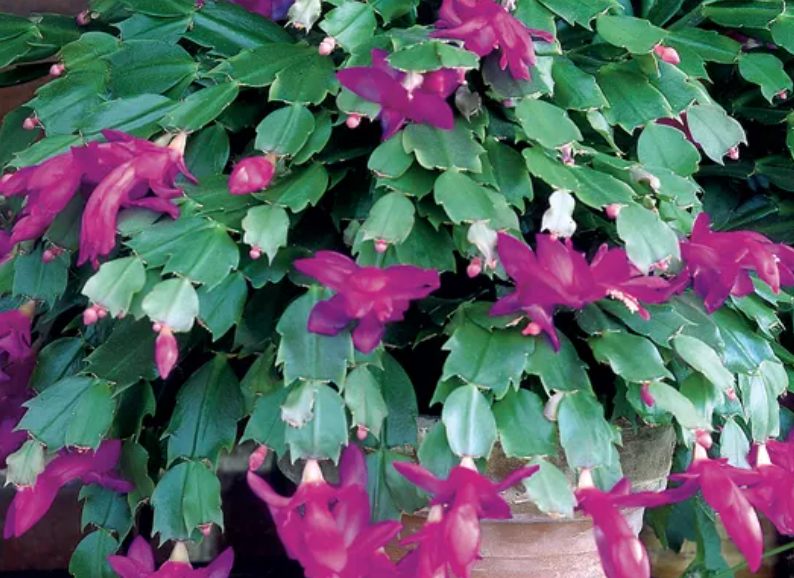
The Christmas cactus — with its trailing stems and gorgeous winter flowers — is a favorite indoor plant. But if yours hasn’t bloomed, or only flowers sporadically, don’t worry: with a few targeted tweaks and a gentle “natural boost,” you can trigger a bright, abundant display of blossoms. 🌿✨
Why Christmas Cactus Sometimes Refuses to Bloom
Unlike desert cacti, Christmas cactus is native to tropical forests; its flowering cycle is triggered by seasonal cues — cooler nights, shorter days, a mild “cool‑rest” period, and stable, well‑draining soil. If any of these factors is off (too warm, too much light, constant watering, or disturbed soil/roots), the plant may skip flowering. :contentReference[oaicite:2]{index=2}
Common mistakes include:
- Keeping the plant too warm or in constant bright light. :contentReference[oaicite:3]{index=3}
- Too frequent watering or waterlogging. :contentReference[oaicite:4]{index=4}
- Not giving a proper “autumn rest” (cool, darker nights) to trigger bud formation. :contentReference[oaicite:5]{index=5}
- Repotting or major disturbance just before bud formation — that stresses the roots. :contentReference[oaicite:6]{index=6}
Seasonal Care Timeline for Best Blooms 🌿
Spring–Summer: Active Growth Phase
- Place the cactus in bright, indirect light — avoid harsh direct sun, especially midday. :contentReference[oaicite:7]{index=7}
- Use a well‑draining soil mix (e.g. houseplant or cactus mix, possibly with added sand or perlite) to ensure good root aeration. :contentReference[oaicite:8]{index=8}
- Water when the top inch or so of soil feels dry — don’t let the plant sit in water; avoid soggy soil. :contentReference[oaicite:9]{index=9}
- Fertilize roughly monthly (balanced liquid fertilizer or houseplant food) until late summer. This supports robust growth which will fuel blooming later. :contentReference[oaicite:10]{index=10}
Autumn (Flower Trigger Season)
This is the most important period if you want winter blooms. From early autumn onward, you must simulate the plant’s natural “pre‑flowering conditions.”
- Cool nights: Keep nighttime (or evening) temperatures around 15 °C (about 55–60 °F). :contentReference[oaicite:11]{index=11}
- Short, uninterrupted nights: Aim for 12–14 hours of complete darkness (no bright indoor lights, night‑lights, or streetlamp glare) for about 6–8 weeks. This “long‑night” trigger signals the plant to begin bud formation. :contentReference[oaicite:12]{index=12}
- Limit fertilizing & water slightly less: Reduce or stop fertilizer in fall; water less frequently but don’t let soil dry out completely. :contentReference[oaicite:13]{index=13}
- Keep plant in stable spot: Avoid moving it around a lot or changing pots/soil — stress can cause bud drop. :contentReference[oaicite:14]{index=14}
When Buds Appear — Start Bloom Care
- Increase indirect light exposure during the day (but still no harsh direct sun). :contentReference[oaicite:15]{index=15}
- Return to moderate watering — keep soil slightly moist but well‑draining. :contentReference[oaicite:16]{index=16}
- Maintain daytime temperature around 18–24 °C (about 65–75 °F) — comfortable indoor temperature works fine. :contentReference[oaicite:17]{index=17}
- Ensure moderate humidity — mist leaves occasionally or use a humidity tray, especially in dry indoor air. :contentReference[oaicite:18]{index=18}
A Simple Natural Boost: Mild Root Stress + Balanced Care
One “secret boost” many experienced growers use is to allow the cactus to become slightly root‑bound before the trigger period — i.e., avoid repotting for a few years, then just before autumn trigger, give a light root “stress” (no repotting — just minimal watering and cool dark conditions). This mimics its natural seasonal rhythm and sometimes encourages stronger bud set and more abundant bloom. :contentReference[oaicite:19]{index=19}
Additionally, some gardeners mix a gentle organic fertilizer or compost (in moderation) earlier in the year — enough to feed but not over‑stimulate with nitrogen — giving the plant good nutrients for flower‑production later. :contentReference[oaicite:20]{index=20}
What to Do (and What to Avoid): Common Mistakes & How to Fix Them
- Too much direct sun: Leaves turn red or pale; buds may abort. Move to bright, indirect light instead. :contentReference[oaicite:21]{index=21}
- Overwatering — especially during bud formation: Causes root rot or bud drop. Let top layer dry before watering. :contentReference[oaicite:22]{index=22}
- Too warm nights or excessive light at night: Flowering may fail. Keep nights cool and dark during trigger period. :contentReference[oaicite:23]{index=23}
- Repotting at wrong time: Avoid repotting or large soil disturbances shortly before or during bud formation — wait until after bloom. :contentReference[oaicite:24]{index=24}
- Over‑fertilizing late in the season: Causes vegetative growth instead of flowers. Skip fertilizer in fall/winter. :contentReference[oaicite:25]{index=25}
Summary: The 4‑Step Bloom Trigger Plan 🎯
- Late summer → early autumn: gradually cool nights (~15–16 °C) & reduce fertilizer and watering.
- Ensure 12–14 h of complete, uninterrupted darkness each night for 6–8 weeks.
- Keep soil slightly moist but well‑draining; avoid waterlogging and sudden temperature swings.
- When buds form → move to brighter indirect light + moderate indoor temps (~20–22 °C) + resume gentle watering.
Conclusion — With Timing, Care & a Little Patience, You’ll See Gorgeous Blooms 🌸
With the right care — especially paying attention to light cycles, nighttime temperatures, soil moisture, and minimal disturbance — your Christmas cactus can easily surprise you with a brilliant bloom once (or even twice) per year. The natural boost of slightly root‑bound soil and balanced feeding earlier in the season helps, but the real “trigger” is creating the seasonal cues the plant expects: cool nights and long, dark evenings.
Give it a try this fall — follow the 4‑step bloom trigger plan above, and you might be rewarded with a cascade of flowers just in time for the holidays. 🌿🎄