The Powerful Medicinal Benefits and Uses of Senna alata
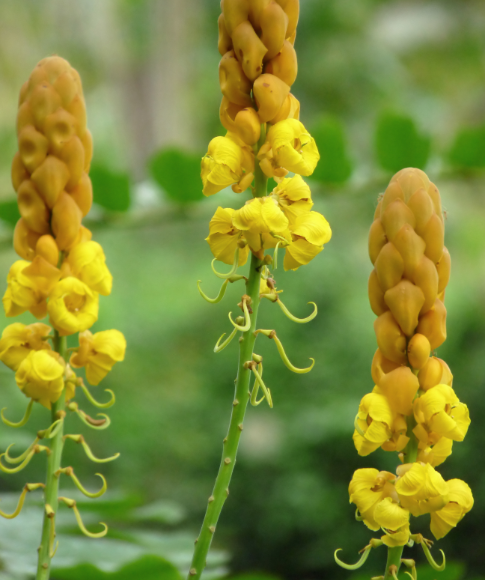
Often known as “candle bush,” “ringworm bush,” or “ringworm shrub,” Senna alata is a tropical plant valued in many cultures for its therapeutic properties. With striking yellow, candle‑like flower clusters and lush foliage, this plant is more than just ornamental — it carries a broad heritage of medicinal uses, particularly for skin ailments, digestive issues, and more. In this article, we explore what science and tradition say about its benefits, how to prepare it at home, and safety considerations. 🌿
What Is Senna alata?
Senna alata (formerly Cassia alata) belongs to the legume family (Fabaceae). It typically grows as a shrub or small tree, reaching 2–4 meters in height under favorable conditions. It thrives in tropical and subtropical climates, often found in wetlands, riverbanks, forest edges, or disturbed soils. :contentReference[oaicite:2]{index=2}
The plant is easily recognizable by its long, pinnate leaves and bright yellow inflorescences that resemble a series of candles — hence its common name “candle bush.” :contentReference[oaicite:3]{index=3}
Medicinal Properties & Bioactive Compounds
Research and traditional knowledge show that Senna alata contains a variety of biologically active compounds, including anthraquinones (like aloe‑emodin, chrysophanol, rhein), flavonoids, glycosides, and sterols (e.g. β‑sitosterol). :contentReference[oaicite:4]{index=4}
Because of these compounds, studies have attributed to Senna alata several pharmacological activities: antifungal, antibacterial, anti‑inflammatory, antioxidant, laxative, and possibly even antidiabetic or anticancer potential (though the latter require more research). :contentReference[oaicite:5]{index=5}
Traditional & Proven Uses of Senna alata
Skin Conditions & Fungal Infections
By far the most widespread and well‑documented use of Senna alata is for treating skin fungal infections. It is often called “ringworm bush” because of its reputed effectiveness against ringworm, scabies, eczema, psoriasis, pityriasis (tinea) and other dermal mycoses. :contentReference[oaicite:6]{index=6}
Traditional application: fresh leaves are crushed (or ground into a paste), often mixed with a bit of vegetable oil, then applied directly to the affected skin 2–3 times a day. A fresh preparation is usually made daily. :contentReference[oaicite:7]{index=7}
Modern studies also support its antifungal and antimicrobial potential, showing activity against dermatophytes and other skin pathogens. :contentReference[oaicite:8]{index=8}
Laxative & Digestive Aid
The leaves (and sometimes flowers or roots) of Senna alata are used as a natural laxative or purgative, helpful for relieving occasional constipation. :contentReference[oaicite:9]{index=9}
In traditional medicine across tropical regions, leaf decoctions may also be used to treat digestive complaints, biliousness, or other mild gastrointestinal issues. :contentReference[oaicite:10]{index=10}
Anti‑inflammatory, Antioxidant & Other Systemic Benefits
Because of its diverse phytochemical profile, Senna alata has been reported to exhibit anti‑inflammatory, antioxidant, antibacterial, and possibly antidiabetic or hepatoprotective properties. :contentReference[oaicite:11]{index=11}
These properties suggest potential for broader therapeutic applications — for example, managing mild inflammation, supporting general skin health, and possibly aiding in metabolic balance (though evidence remains limited and preliminary). :contentReference[oaicite:12]{index=12}
How to Use Senna alata at Home — Traditional Preparations
Here are some common ways people prepare and apply Senna alata, based on traditional wisdom and ethnobotanical practice. Use with caution and common sense. 🌿
1. Topical Paste for Skin Ailments
- Pick fresh, healthy leaves and wash them thoroughly.
- Crush or grind them into a paste — using a mortar and pestle or blender.
- Optionally mix with a little vegetable oil (like coconut or olive oil) to make a smoother ointment.
- Apply directly to the affected skin (ringworm, scabies, eczema, fungal patches) 2–3 times daily.
- Prepare a fresh batch each day for best effect. :contentReference[oaicite:13]{index=13}
2. Decoction or Infusion — Internal Use (with Caution)
- Dry some leaves (or collect fresh), then boil in water for several minutes to make a decoction.
- Let it cool, strain, and drink in moderate amounts — traditionally used to relieve constipation or digestive discomfort. :contentReference[oaicite:14]{index=14}
- Start with small doses — due to the potent laxative effect — and don’t overuse. Frequent internal use is not recommended without guidance. :contentReference[oaicite:15]{index=15}
What Science Says — Evidence & Research Highlights
Scientific reviews and pharmacological studies support many of the traditional uses of Senna alata, especially its antifungal, antibacterial, anti‑inflammatory, antioxidant and laxative properties. :contentReference[oaicite:16]{index=16}
For example, extracts from the leaves showed inhibitory effects against dermatophyte fungi (organisms responsible for skin infections) in lab tests — giving credence to its traditional topical use. :contentReference[oaicite:17]{index=17}
Additionally, some studies suggest extracts might help regulate blood glucose and protect against oxidative stress — though much more research is needed before considering it a “natural cure.” :contentReference[oaicite:18]{index=18}
Cautions, Risks & When to Avoid Senna alata
Despite its natural origin and long history of use, you should approach Senna alata with care — especially if ingesting internally or using over long periods. Here are some important precautions:
- Potential toxicity / side effects: Some parts of the plant (especially seeds or bark) may contain compounds that can be harmful. Overdosing or chronic use may cause digestive disturbances or other adverse effects. :contentReference[oaicite:19]{index=19}
- Not a guaranteed cure: Even though lab tests show antimicrobial activity, that does not guarantee effectiveness in humans — and results can vary. Avoid relying solely on the plant to treat serious infections or chronic conditions.
- Allergic or irritant reactions: Topical application may cause skin irritation in some individuals — do a small patch test first.
- Pregnancy / sensitive groups: Internal use — especially strong decoctions or teas — is not recommended for pregnant or breastfeeding women, or without consulting a qualified healthcare practitioner.
- Quality and preparation matter: Use fresh, healthy leaves. Avoid using plants grown in polluted areas. Ensure cleanliness to avoid contamination.
Responsible Approach — Using Senna alata as a Support, Not a Replacement
The strength of Senna alata lies in its supportive role: as a traditional remedy, a possible natural topical antifungal, a mild laxative, and a part of holistic herbal hygiene. However, it should not replace medical treatment — especially for serious or persistent conditions.
Use it thoughtfully: combine with good hygiene, balanced diet, modern medical care when needed — and treat it as a complementary natural aid, not a magic bullet. 🧘♂️
Conclusion — A Versatile Traditional Remedy with Real Potential 🌿
Senna alata stands out as one of the most versatile medicinal plants from the tropics — bridging tradition and modern interest. From treating fungal skin infections (ringworm, scabies, eczema) with a simple leaf paste to supporting digestion with mild laxative properties, its uses are varied. Emerging research into its antimicrobial, antioxidant, and other pharmacological properties adds credibility to many traditional claims.
If you have access to fresh leaves — or grow the plant yourself — using Senna alata responsibly can offer a gentle, natural complement to your home herbal remedy kit. Just remember: moderation, hygiene, and common sense are key. 🌱
Note: This article is for informational purposes only. It does not constitute medical advice. Always consult a qualified healthcare professional before using medicinal plants, especially internally or for serious conditions.