Why People Put Cloves in Oranges: The Powerful Tradition Behind Orange Pomanders
Few homemade traditions capture both history and sensory delight quite like the clove‑studded orange — often called an “orange pomander.” What might look like a simple decorative craft is actually the product of centuries of tradition: once a protective amulet, then a natural air freshener, sometimes even a homemade “remedy.” In this article, we explore the rich cultural legacy, the aromatic and symbolic power of pomanders, and practical guidance if you want to make your own. 🍊✨
What Is an Orange Pomander?
The term “pomander” comes from the French pomme d’ambre, meaning “apple (or fruit) of amber” — originally referring to a scented ball that people carried or wore, filled with perfumes or aromatic substances. :contentReference[oaicite:1]{index=1}
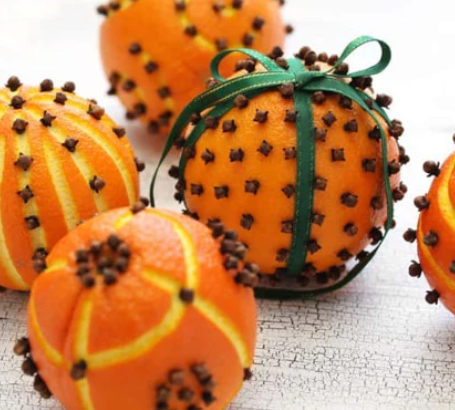
Over time, a simpler, more accessible version emerged: a fresh orange (or other citrus) studded all over with whole cloves (and sometimes other spices like cinnamon or nutmeg), left to dry slowly. As it dries, the combination of citrus and spice releases a warm, inviting fragrance. :contentReference[oaicite:2]{index=2}
Today, the orange pomander is used as a natural home fragrance, a cozy seasonal decoration (especially around autumn and winter holidays), and — for some — a touch of tradition, symbolism, and even nostalgic comfort. :contentReference[oaicite:3]{index=3}
Historical Roots: From Medieval Europe to Modern Homes
Pomanders in the Middle Ages: Protection & Perfume
Pomanders date back to at least the mid-13th century, when they were used in Europe as portable scent‑carriers. In an age before modern hygiene, they served as a way to ward off unpleasant odors, believed “bad air,” and — symbolically — disease. :contentReference[oaicite:4]{index=4}
Originally, these pomanders were not oranges or citrus — but small perforated balls or containers (made of precious metals or other materials) filled with perfumes, resins, herbs or musk. Nobility and the wealthy often carried them, especially during times of plague or travel. :contentReference[oaicite:5]{index=5}
Transition to Fruit Pomanders: A More Accessible Tradition
Over time, especially by the late Middle Ages and Renaissance periods, the concept evolved. People began embedding aromatic spices and herbs directly into fruit — a low‑cost, simple way to approximate the effect of expensive perfumed pomanders. :contentReference[oaicite:6]{index=6}
By the Victorian era and onward, clove‑studded oranges became part of seasonal and holiday traditions, especially in Europe, where they were appreciated not only for their fragrance but also as decorative ornaments. :contentReference[oaicite:7]{index=7}
Why Cloves + Oranges? The Power of Their Combined Aroma & Symbolism
Aromatic Chemistry & Sensory Appeal
The reason this combination works — and endures — is partly chemical. Oranges (and other citrus fruits) produce a fresh, zesty scent thanks to compounds such as limonene. Cloves, on the other hand, release a warm, spicy aroma largely due to a compound called eugenol. When placed together and dried slowly, these aromas mingle to form a cozy, rich, citrus‑spice scent, more complex than either alone. :contentReference[oaicite:8]{index=8}
As the orange dries, moisture evaporates slowly and the essential oils are gradually released — allowing the fragrance to linger for weeks (sometimes even months) if stored properly. :contentReference[oaicite:9]{index=9}
Many people find this natural scent more pleasant and psychologically uplifting than synthetic fragrance sprays. The blend of citrus brightness and the warmth of spices tends to evoke feelings of comfort, cleanliness, and festive warmth — which may help lift mood or calm the senses. :contentReference[oaicite:10]{index=10}
Traditional Belief: Health, Protection & Good Fortune
Historically, pomanders — including clove‑studded citrus — were associated with protective and health-related meanings. In times when epidemics, “bad air,” and poor sanitation were real threats, such scented objects were considered amulets that could protect one from disease or evil influences. :contentReference[oaicite:11]{index=11}
Over the centuries, the clove‑orange pomander also became more symbolic: a gesture of care, warmth, hospitality, and well‑being. During holidays or as gifts, giving a pomander could mean wishing someone comfort, good health, or positive energy. :contentReference[oaicite:12]{index=12}
In many modern interpretations — especially in “healing‑tradition” or natural‑living communities — the pomander is believed to harness the “protective power” of citrus and spice essential oils, offering mild antimicrobial, mood‑uplifting, or “air‑purifying” effects (though scientific validation of such claims is limited). :contentReference[oaicite:13]{index=13}
Common Uses of Clove‑Studded Oranges Today
- Natural home fragrance: Placed in bowls, hung in closets, or kept on shelves — pomanders act as chemical‑free air fresheners. :contentReference[oaicite:14]{index=14}
- Festive decoration & holiday tradition: Especially around winter holidays — pomanders add a rustic, nostalgic touch and a cozy scent to the home. :contentReference[oaicite:15]{index=15}
- Gifts or symbolic tokens: As handcrafted items, pomanders can be meaningful homemade gifts — symbolizing warmth, health, or good will. :contentReference[oaicite:16]{index=16}
- Closet & linen sachets: Some people hang dried pomanders in wardrobes or store them with linens to impart a gentle, natural scent. :contentReference[oaicite:17]{index=17}
Instructions:
1. Wash the orange thoroughly and dry it well — surface moisture slows drying.
2. Begin inserting cloves: poke a clove into the peel until secure, spacing evenly (e.g. 0.5–1 cm apart). For even fragrance, you can cover the whole orange, or create decorative patterns (spirals, stars, etc.). :contentReference[oaicite:18]{index=18}
3. Once the orange is fully studded, place it on a drying rack or hang it in a cool, dry, well‑ventilated place. Avoid direct sunlight or damp environments (which can cause spoilage or mold). :contentReference[oaicite:19]{index=19}
4. Allow it to dry for 1–2 weeks (or until it feels hard/shrunk). The drying process concentrates the natural oils and intensifies the aroma. :contentReference[oaicite:20]{index=20}
5. (Optional) For stronger scent — some people roll the dried pomander in a mixture of ground spices (like cinnamon, nutmeg, allspice) or add a dab of essential oils before final drying. :contentReference[oaicite:21]{index=21}
6. Hang or place the finished pomander in a bowl or drawer — enjoy the subtle, enduring citrus‑spice fragrance.
What Pomanders Represent — Symbolism, Memory & Traditions
The clove‑studded orange isn’t just a fragrance tool — for many, it’s a meaningful symbol. Here are some of the associations and emotional resonance tied to pomanders:
- Comfort & Warmth: The cozy, familiar scent of citrus and spice evokes feelings of home, hearth, and hospitality. Many families make pomanders together around holidays — a ritual that builds memory and connection. :contentReference[oaicite:22]{index=22}
- Protection & Well‑being: In medieval times, pomanders were thought to ward off disease, “bad air,” and evil influences. While we no longer rely on them for disease prevention, the symbolic meaning — of protection, health and well‑being — endures. :contentReference[oaicite:23]{index=23}
- Simplicity & Natural Living: In a world full of artificial fragrances and processed scents, pomanders offer a reminder of simpler, more natural ways to enhance our environment — zero‑waste, chemical‑free, and rooted in tradition. :contentReference[oaicite:24]{index=24}
- Seasonal Rituals & Nostalgia: The process of making pomanders — selecting oranges, studding cloves, waiting for them to dry — becomes a slow, mindful ritual. The scent can trigger memories of past seasons, family gatherings, and holiday warmth. :contentReference[oaicite:25]{index=25}
What It Is — and Isn’t: Realistic Benefits & Myths
What pomanders do:
- Provide a gentle, natural fragrance for your home without synthetic chemicals — ideal for people sensitive to artificial scents. :contentReference[oaicite:26]{index=26}
- Create a warm, cozy atmosphere, especially fitting for fall and winter seasons or festive occasions. :contentReference[oaicite:27]{index=27}
- Serve as homemade, eco‑friendly décor and gifts — minimal cost, minimal waste, and a personal touch. :contentReference[oaicite:28]{index=28}
What they are unlikely to do (despite myths):
- They do not “purify” air in a scientific sense or kill pathogens. While cloves and citrus oils have been historically associated with antimicrobial beliefs, dried pomanders do not substitute for cleaning, ventilation, or hygiene. :contentReference[oaicite:29]{index=29}
- They are not a medical remedy or guarantee of health. Any historic “protective” belief comes from pre‑modern understandings of disease and scent — while charming and meaningful, it’s symbolic rather than scientific. :contentReference[oaicite:30]{index=30}
- They won’t preserve the fruit for eating. As the orange dries, it becomes hard, shriveled, and bitter; pomanders are decorative, not edible. :contentReference[oaicite:31]{index=31}
How to Use Pomanders in Daily Life & Best Practices
To get the best experience from an orange pomander while avoiding unwanted results (like mold, spoilage, or unpleasant smells), follow these tips:
- Use a firm, healthy, unblemished orange — damage or punctures may cause rot. Dry thoroughly before inserting cloves.
- Insert cloves evenly and with some spacing — dense coverage may slow drying or trap moisture.
- Dry in a cool, dry, well-ventilated place, away from direct heat or sunlight. This ensures even drying and preserves fragrance.
- If storing long-term, keep pomanders in breathable containers (e.g. fabric bags) or hang them, rather than sealing them in plastic — sealed dampness may cause mold.
- Rotate or gently squeeze pomanders periodically (after fully dried) to release more scent. Some also dust with additional ground spices for stronger aroma.
Modern Significance: Why People Still Make Pomanders Today
Even though we no longer need pomanders to protect against plague or mask foul odors, the tradition endures — and thrives — for several reasons:
- Nostalgia & Tradition: For many, pomanders are a way to connect with the past — to enjoy a centuries‑old craft with roots in folk tradition and domestic history.
- Eco‑friendly & Natural Lifestyle: As people become more conscious of chemicals and artificial fragrances, natural alternatives like pomanders offer a zero‑waste, sustainable option.
- Seasonality & Home Ambience: The warm citrus‑spice scent matches cold seasons, holidays, and long nights — it adds comfort, warmth, and calm to indoor spaces.
- Mindful Craft & Creativity: Making a pomander by hand can be a calming, meditative activity — placing each clove slowly, watching the drying process, sensing the aroma evolve. It’s a small act of care and intention.
Expert‑Style Reflections: Tradition Meets Sense & Sensibility
“Pomanders are not a silver‑bullet against disease,” says “Dr. Celeste Marlowe,” a folkloric‑heritage scholar specializing in European domestic traditions. “But what they offer is a bridge — between sensory memory, domestic ritual, and the comforting idea of protection. In our modern, sanitized lives, that can feel deeply grounding.”
The aromatic chemistry of citrus and clove — limonene plus eugenol — creates a naturally pleasant scent, which can positively influence mood and ambience. As our homes become more enclosed and technology‑driven, these slow, natural scents help remind us of simpler rhythms: the smell of fruit, of spice, of the seasons. — “Sensory‑heritage researcher,” Prof. Adrian Levine.
10 Frequently Asked Questions (FAQs) About Clove‑Studded Oranges
1. Are clove-studded oranges safe to store indoors?
Yes — provided they are fully dried and kept in a cool, dry, well‑ventilated place. Once dried, they become hard and stable. Avoid damp or humid spots, which may cause spoilage or mold.
2. How long does a pomander’s scent last?
Typically, a well‑dried pomander can retain its fragrance for several weeks to a few months. Over time the scent slowly fades but may be “re‑activated” by gently squeezing or rolling the pomander to release oils. :contentReference[oaicite:32]{index=32}
Can I still eat the orange after making it a pomander?
Generally, no — once studded with cloves and dried, the orange becomes hard, shriveled, and bitter. Pomanders are meant for scent and decor, not consumption. :contentReference[oaicite:33]{index=33}
4. Can I use other fruits besides oranges?
Yes — some people use smaller citrus fruits (like tangerines, clementines) or even apples. However, oranges are most common because of their firm peel, pleasant citrus oils, and size. :contentReference[oaicite:34]{index=34}
5. What if the pomander starts to mold or rot?
If it’s still soft or damp after a few days, that means drying is incomplete — remove it, pat dry, and allow better ventilation. Once fully dried and firm, mold is unlikely if stored properly. Avoid humid, damp or warm storage areas.
6. Will the pomander keep clothes or closets smelling fresh?
Yes — hanging or placing a dried pomander in a closet, drawer, or linen cabinet can impart a gentle natural fragrance. It’s a natural alternative to synthetic sachets. :contentReference[oaicite:35]{index=35}
7. Can I add extra spices (cinnamon, nutmeg, etc.) for stronger scent?
Absolutely. Many modern versions roll the dried pomander in a mixture of ground cinnamon, nutmeg, allspice—or even dust with a little clove or essential oil — to intensify or lengthen the scent. :contentReference[oaicite:36]{index=36}
8. Is this just a Christmas decoration or can it be used year‑round?
While widely associated with autumn/winter holidays (due to the warm, festive scent), pomanders can be used any time of year — whenever you want a natural, pleasant aroma in your home.
9. Does the pomander do anything health‑wise (air purification, antimicrobial)?
Any “health benefit” is largely symbolic or anecdotal today. While cloves and citrus historically were believed to ward off “bad air” or microbes, a dried pomander does not purify air or sterilize a room in any scientifically proven way. Think of it as a fragrance and tradition — not a disinfectant.
10. Can I reuse the pomander after holiday season?
Yes — once fully dried and fragrant, pomanders can be stored (in breathable bags or hung in wardrobes) and reused over several months. Occasionally gently squeeze or roll to refresh scent, or add a little ground spice to boost aroma.
Conclusion — A Simple Tradition, Rich in Meaning and Aroma
The humble clove‑studded orange — the orange pomander — is more than a craft or a holiday decoration. It’s a living tradition: part history, part sensory ritual, part symbolic artifact. From medieval Europe’s pendant‑worn pomanders to today’s cozy home décor, the practice speaks to a human desire for comfort, warmth, and connection with natural scents. 🍂
In a modern world filled with synthetic aromas and fast lifestyles, creating and using a pomander offers a moment of slow living: the scent of citrus and spice, the memory of hands poking cloves into peel, the quiet pleasure of a home that smells like hearth and heritage. Try making one yourself, and maybe you’ll carry a small piece of history and comfort into your home. 🏡