Transform Your Garden Soil Naturally: The Ultimate Step‑by‑Step Guide to Supercharge Beds for Abundant Growth
Are your garden beds feeling tired, compacted, or nutrient‑depleted? The secret to rich, thriving soil lies in nature’s own toolkit: building organic matter, stimulating living soil biology, and creating structure without heavy digging. This detailed guide walks you through time‑tested, modern, and sustainable methods—from composting and vermicomposting to no‑dig techniques and cover crops—ensuring your garden beds flourish year after year.
Why Soil Health Matters More Than Ever
Healthy soil is the foundation for productive, resilient gardens. Optimum soil combines mineral particles (sand, silt, clay) into loam—a mix that balances drainage, water retention, aeration, and nutrient retention. Achieving loamy texture requires diligent additions of organic matter like compost, aged manure, and mulch. Experts recommend working this organic matter into beds to a depth of 6–8 inches in spring for annuals, and mulching perennials each year to maintain structure and fertility. :contentReference[oaicite:1]{index=1}
Supporting soil health also fosters thriving microbial life including beneficial bacteria, fungi, and earthworms—which together cycle nutrients, break down organic matter, and enhance root health. :contentReference[oaicite:2]{index=2}
Step 1: Build and Add Quality Compost
Compost is nature’s multivitamin for soil: rich in nutrients and beneficial organisms. Crafting high-quality compost starts with a balanced mix of “greens” (nitrogen-rich scraps) and “browns” (carbon-rich dry materials) in a 25–30:1 ratio, turning frequently for aerobic decomposition. :contentReference[oaicite:3]{index=3}
No-dig advocate Charles Dowding advises balancing roughly 75 % green to 25 % brown materials and shredding larger bits. Covering piles and keeping them moist and aerated supports speedy, disease-free decomposition.:contentReference[oaicite:4]{index=4}
How to use compost: Spread 2–3 inches over beds in early spring, then mix into the top 6–8 inches of soil. This boosts nutrients, structure, and microbial life. :contentReference[oaicite:5]{index=5}
Step 2: Harness the Power of Vermicompost
Vermicompost (worm castings) offers an even richer nutrient and microbe profile—produced with red wigglers or other compost worms. It enhances soil aeration, moisture retention, and introduces growth-enhancing enzymes and nutrients. The beneficial microbial activity in vermicompost is often 10–20× higher than in standard compost. :contentReference[oaicite:6]{index=6}
Incorporate castings directly into planting holes or use vermiwash (the water-soluble extract) as a nutrient-rich tea. :contentReference[oaicite:7]{index=7}
Step 3: Revitalize Beds with No‑Dig & Sheet Mulching
No‑dig gardening and sheet mulching mimic natural forest processes. Rather than tilling—which disrupts soil structure and microbial networks—these methods layer compost and organic mulch on top, allowing soil life to do the work. :contentReference[oaicite:8]{index=8}
Sheet mulching begins with laying cardboard or newspaper to suppress weeds, then topping with compost (≈2–3 kg/m²) and a 10–15 cm layer of mulch. Over time, this decomposes into rich soil. It improves water retention, suppresses weeds, and supports microbial activity—all with minimal effort. :contentReference[oaicite:9]{index=9}
Step 4: Enrich with Cover Crops (Green Manure)
Cover crops like legumes, clovers, or buckwheat enrich beds with nitrogen, organic matter, and improved structure. Legumes fix atmospheric nitrogen, while deep-rooted species like radish break up compaction. :contentReference[oaicite:10]{index=10}
To use them, broadcast seeds onto cleared beds, lightly rake, and water. When mature, mow or crimp and either turn into the soil or leave on the surface as mulch. :contentReference[oaicite:11]{index=11}
Step 5: Manage Soil Structure & Avoid Compaction
For poor or heavy soils, consider double-digging every few years—loosen two layers, incorporate compost, then refill trenches. This improves aeration and root penetration. :contentReference[oaicite:12]{index=12}
Frequent foot traffic and heavy tools compact soil and harm structure. To maintain aeration, use defined paths, avoid working wet soil, and reduce unnecessary tilling. :contentReference[oaicite:13]{index=13}
Step 6: Recycle Wisely—From Cooking Water to Coffee Grounds
Save cooled, unsalted cooking water (from veggies, rice, pasta) to water beds—this adds minor nutrients and supports soil microbes. Avoid salty or greasy water that can harm plants. :contentReference[oaicite:14]{index=14}
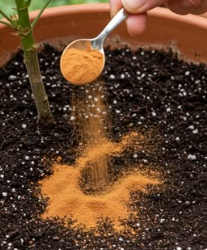
Used coffee grounds are also helpful: they’re rich in NPK and can be added—up to 20%—into compost piles. They work as mulch for acid-loving plants like blueberries but should be used sparingly to avoid water blockage. :contentReference[oaicite:15]{index=15}
Step 7: Adopt a Permaculture or Slow‑Gardening Mindset
Permaculture focuses on creating resilient, low-labor ecosystems using composting, rainwater capture, companion planting, and minimal soil disturbance. Gardens become more self-reliant over time. :contentReference[oaicite:16]{index=16}
Similarly, “slow gardening” emphasizes mindfulness—prioritizing compost, organic methods, gentle watering, and working with nature’s pace rather than racing after perfection. :contentReference[oaicite:17]{index=17}
Quick Reference Table: Soil‑Supercharging Methods
| Technique | Purpose | How to Use |
|---|---|---|
| Compost | Builds fertility & structure | Mix into top 6–8″ spring soil; mulch |
| Vermicompost | Microbial boost & nutrient density | Stir into soil or apply vermiwash |
| No‑Dig / Sheet Mulch | Protects microbes, suppresses weeds | Layer compost/mulch over cardboard |
| Cover Crops | Fix nitrogen & improve texture | Grow & turn under or leave as mulch |
| Double Digging | Breaks compaction, roots deeper | Every 3–5 years, dig trenches & add compost |
| Recycled Kitchen Inputs | Add mild nutrients | Use cooking water & coffee grounds carefully |
10 Quick FAQs
- Can I use grocery compost as-is? Yes—as long as it’s well-aged. Fresh compost may burn seedlings or tie up nitrogen. :contentReference[oaicite:18]{index=18}
- How often should I add compost? At least annually—in spring for beds, and yearly layers for perennials. :contentReference[oaicite:19]{index=19}
- Is vermicompost better? It’s richer in nutrients and microbes—use sparingly or mix with regular compost. :contentReference[oaicite:20]{index=20}
- Should I till before composting? No—the no-dig approach preserves soil life. Sheet mulching works better. :contentReference[oaicite:21]{index=21}
- Cover crop timing? Sow in fall or between plantings. Terminate before seed production. :contentReference[oaicite:22]{index=22}
- Clay soil fix? Add compost & organic matter; avoid tilling wet soil. :contentReference[oaicite:23]{index=23}
- Can mulch suffocate soil? Organic mulches support microbes and retain moisture—unlike gravel or landscape fabric. :contentReference[oaicite:24]{index=24}
- Any reuse of kitchen waste? Yes—unsalted cooking water and coffee grounds, when used wisely. :contentReference[oaicite:25]{index=25}
- No‑dig drawbacks? Needs continuous organic input and initial setup; not ideal for perennial weed control. :contentReference[oaicite:26]{index=26}
- Best overall strategy? Combine compost, no‑dig mulching, cover crops, and mindful water and traffic management—a sustainable soil journey.
Final Thoughts
Transforming tired garden soil doesn’t require magic—just a smart blend of compost, living mulches, gentle methods, and nature’s recycling. As you nurture soil life, structure, and organic content, beds will reward you with vibrant growth, abundant harvests, and less maintenance. Begin your soil‑revival journey one layer at a time, and watch your garden come alive.