✅ The Safer Way to Use Boiled Leaves
If someone wants to use boiled leaves as a wellness drink, the safest approach is simple.
Do not treat it like medicine.
Treat it like a gentle herbal tea.
Use common, food-safe leaves.
Use small amounts.
Do not drink it all day.
Do not mix many unknown herbs together.
Do not use it to replace treatment.
And stop using it if the body reacts badly.
A safe wellness routine should help the body feel supported, not stressed.
🍃 Common Leaves People Use as Herbal Tea
Some leaves are commonly used in tea-style drinks.
Examples include:
- mint leaves
- lemon balm leaves
- bay leaves in small culinary amounts
- green tea leaves
- chamomile flowers
- olive leaves in prepared products
- guava leaves in traditional use
But even common herbs are not perfect for everyone.
For example, green tea contains caffeine.
Some herbs may upset the stomach.
Some may interact with medication.
Some may not be safe in high amounts.
So the important point is not just “which leaf.”
The important point is “is it safe for this person?”
🧼 Step 1: Know the Leaf Before Using It
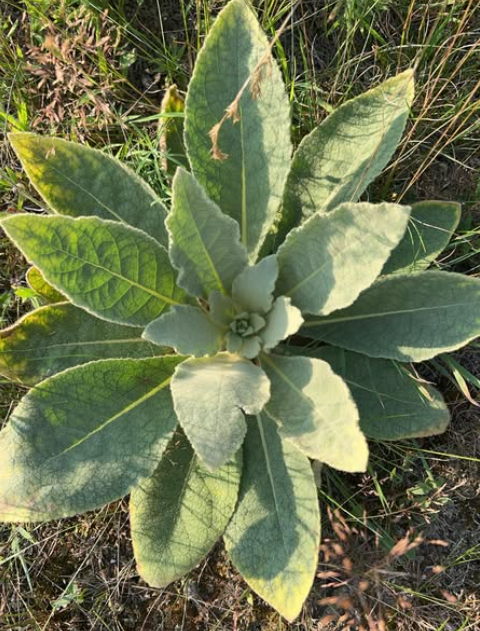
Before boiling any leaf, you should know exactly what it is.
Do not guess.
Do not use leaves from unknown trees.
Do not use decorative plant leaves.
Do not use leaves sprayed with chemicals.
Do not use leaves from roadsides, parks, or unknown gardens.
Only use leaves that are clearly identified as food-safe.
This step matters more than the recipe itself.
Because the wrong leaf can cause problems.
💧 Step 2: Keep It Simple
Many people make herbal drinks too strong.
They add too many leaves.
They boil them for too long.
They drink them several times a day.
This can increase the chance of side effects.
A safer approach is to keep it mild.
One type of safe leaf.
Clean water.
Short steeping or gentle boiling.
Small serving.
No extreme routine.
More is not always better.
With herbs, more can sometimes mean more risk.
⚠️ Step 3: Watch for Warning Signs
If someone drinks a boiled leaf tea and feels bad afterward, they should stop.
Warning signs may include:
- stomach pain
- vomiting
- diarrhea
- dizziness
- itching
- rash
- swelling
- fast heartbeat
- unusual tiredness
- headache
- breathing discomfort
These signs should not be ignored.
A natural drink can still cause a reaction.
If symptoms are serious, medical help is needed.
💊 Step 4: Be Careful With Medications
This is one of the most important parts.
Herbs can interact with medicines.
Some can make a medicine stronger.
Some can make a medicine weaker.
Some can increase bleeding risk.
Some can affect blood sugar or blood pressure.
This is especially important for people taking regular medication.
The NCCIH warns that herbs can interact with medications, and certain herbs have a high risk of potential interactions. (NCCIH)
So if someone takes medicine every day, they should not start strong herbal drinks without asking a professional.
🧠 Step 5: Avoid Big Disease Claims
If a post says:
“90% of diseases disappear”
“Cancer cells die”
“Memory returns instantly”
“Doctors don’t want you to know this”
“Drink this and stop your medication”
That is a red flag.
Health is more serious than a viral caption.
A good article should explain benefits and risks honestly.
It should not promise miracles.
It should not scare people.
It should not tell people to avoid doctors.
It should help people make better decisions.
📌 Quick Comparison Table
| Claim Online | Safer Truth |
|---|---|
| Boiled leaves cure disease | No herbal drink should be treated as a cure |
| Boiling makes leaves safe | Boiling does not make every plant safe |
| Natural means harmless | Natural ingredients can still cause side effects |
| More leaves means better results | Stronger drinks may increase risk |
| Herbal tea replaces medicine | It should not replace prescribed treatment |
| Everyone can drink it | Some people must be careful due to medication or health conditions |
🌙 A Gentle Wellness Routine Instead
Instead of depending on one viral drink, focus on daily habits that support health.
Simple habits matter.
Drink enough water.
Eat balanced meals.
Sleep well.
Move your body.
Reduce stress.
Limit ultra-processed foods.
Follow medical advice.
Use herbal teas only as a small part of a healthy lifestyle.
This is more realistic.
And it is safer.
🩺 When to Talk to a Doctor
A person should talk to a doctor if they have:
- ongoing memory problems
- unexplained weight loss
- severe fatigue
- long-lasting pain
- unusual bleeding
- persistent fever
- symptoms that keep getting worse
- chronic disease
- cancer diagnosis
- kidney or liver problems
- strong reactions after drinking herbs
Herbal drinks should not delay medical care.
Early advice can make a big difference.
🏡 Final Thoughts
Boiled leaves may look simple.
They may feel natural.
They may remind people of old family remedies.
And in some cases, a mild herbal tea can be part of a comforting wellness routine.
But boiled leaves are not magic.
They do not replace doctors.
They do not cure serious diseases.
And they are not safe for every person.
The smartest approach is balance.
Use common food-safe herbs carefully.
Avoid extreme claims.
Respect your body.
And remember:
A healthy routine is built with daily habits, not one viral pot of leaves.