🍽️ How to Prepare Garlic and Ginger for Everyday Balance
The beauty of garlic and ginger is that they do not require a complicated system. In fact, the simpler the routine, the more likely it is to become a lasting part of everyday life. The best preparation method depends on your taste, your schedule, and the kind of ritual you want to build. Some people prefer the comforting ease of a warm ginger drink in the morning. Others like starting meals with garlic and ginger gently sautéed in olive oil or another cooking fat, turning a plain dish into something deeply aromatic. There is no single correct format. The goal is to find a method that feels natural enough to repeat often.
Fresh ingredients usually offer the strongest flavor and the most vivid sensory experience. Fresh garlic should feel firm and dry, with tight skin and no soft spots. Fresh ginger should feel heavy for its size, with smooth or lightly textured skin and a fresh scent when cut. These details matter because quality affects both taste and enjoyment. A wellness habit is easier to maintain when the ingredients look and smell inviting before the process even begins.
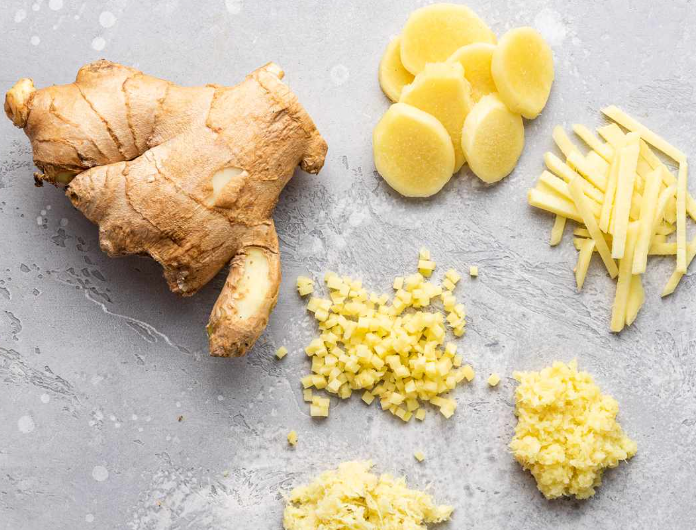
Garlic can be sliced, minced, crushed, grated, or roasted depending on the result you want. Thin slices create pockets of flavor in sautéed dishes. Minced garlic disperses more evenly and gives a stronger impression. Roasted garlic becomes mellow, soft, and almost buttery, which makes it ideal for spreading or blending into soups and mashed vegetables. Ginger is equally flexible. It can be sliced into coins for tea, grated into dressings and soups, minced into stir-fries, juiced into drinks, or blended into marinades. Once you realize how many forms these two ingredients can take, they stop feeling repetitive and start feeling like tools you can shape to fit the moment.
Another practical point is timing. Garlic cooks quickly, and if it burns, the flavor can become harsh and bitter. Ginger is generally more forgiving, especially in simmered preparations, but it still benefits from attention. When using both in savory cooking, many people begin with ginger first or add both over gentle heat so the aromas bloom rather than scorch. This small detail can make a major difference in how enjoyable the final dish feels. Everyday balance is often built from tiny kitchen habits like this—habits that preserve flavor, reduce frustration, and increase the chances that you will want to make the same dish again tomorrow.
📝 Step-by-Step: Simple Ways to Use Garlic and Ginger Daily
Method 1: Morning Ginger Infusion
Start with a small piece of fresh ginger, about the size of your thumb. Rinse it well. You can peel it if you like, but it is not always necessary if the skin is clean and fresh. Slice it thinly to increase the surface area. Place the slices in a mug or small pot and pour hot water over them. Let the ginger steep for several minutes until the water becomes fragrant and lightly spicy. Sip slowly. Some people enjoy this plain, while others add lemon for brightness. This routine is especially appealing for people who want a gentle wellness habit that feels warming and easy.
Method 2: Garlic and Ginger Cooking Base
Peel one or two cloves of garlic and a similar amount of fresh ginger. Mince or grate both. Warm a little oil in a pan over low to medium heat. Add the ginger first if you want a milder garlic note, or add both together if you are watching carefully. Stir for a short time until fragrant, then add vegetables, beans, grains, broth, or protein. This method forms the flavor foundation of countless quick meals. It is one of the easiest ways to turn healthy ingredients into something satisfying enough to become a regular part of your week.
Method 3: Simple Garlic-Ginger Broth
Bring water or a light stock to a gentle simmer. Add sliced ginger, crushed garlic cloves, and any optional extras you enjoy, such as scallions, herbs, or a pinch of black pepper. Let it simmer until aromatic. Strain if desired, or leave the ingredients in for a rustic broth. This preparation works beautifully as a light, warming option during cold weather or on evenings when a full meal feels too heavy. It also pairs well with noodles, rice, greens, or shredded vegetables.
Method 4: Everyday Marinade or Dressing
Combine grated ginger and minced garlic with olive oil, citrus juice, and a pinch of salt. Use it to coat vegetables before roasting, flavor grains, or dress a simple salad bowl. This is a smart method for people who want the benefits of garlic and ginger without adding another separate ritual to the day. Instead of carving out extra time, you simply build the ingredients into meals you already eat.
Method 5: Roasted Garlic for a Softer Flavor
Roast a head of garlic until the cloves become golden and tender. The flavor turns sweeter, gentler, and more spreadable. You can mash roasted garlic into beans, soups, sauces, or warm grain bowls. If raw or strongly sautéed garlic feels too intense for your taste, roasting can be the perfect middle ground. It preserves the ingredient’s character while making it feel more mellow and approachable.
⏰ Best Daily Routines for Garlic and Ginger
The most effective routine is not the most impressive one. It is the one that blends into your life with the least friction. For some people, that means a morning ritual. A warm ginger infusion before breakfast can create a calm start to the day and a signal that you are entering the morning with intention. Because the process is simple, it can become almost automatic, which is exactly what makes a habit last.
Others do better with meal-based routines. Adding garlic and ginger to lunch or dinner may be more sustainable than preparing a separate drink. This works especially well for people who enjoy savory foods and cook at least a few times a week. A regular vegetable stir-fry, soup, lentil dish, or roasted tray meal can easily begin with garlic and ginger. Over time, this builds a pattern where balanced eating and pleasurable flavor support each other instead of competing.
There is also an evening approach. Some people prefer ginger in a warm drink or light broth at the end of the day, especially when they want something comforting that does not feel too heavy. Garlic can also appear in evening soups, stews, and simple cooked meals that create a sense of closure and warmth. If the mornings are rushed, an evening ritual may feel more realistic and more emotionally rewarding.
The smartest way to choose is to look at your natural rhythms. When are you most likely to follow through? When do you need comfort, steadiness, or inspiration in the kitchen? Matching the routine to your actual life is far more useful than copying someone else’s perfect schedule. Wellness becomes sustainable when it meets you where you are.
🌟 Additional Everyday Benefits You May Notice
Once garlic and ginger become part of regular life, many people notice benefits that go beyond the ingredients themselves. One of the most common is increased confidence in the kitchen. Because this pair is so versatile, using it often helps people get more comfortable improvising simple meals. A pan of vegetables no longer feels plain. A soup no longer feels incomplete. A homemade dressing becomes easier to build by instinct. That growing kitchen confidence can have a positive effect on overall eating habits, because when cooking feels manageable, convenience foods often lose some of their grip.
Another quiet benefit is sensory satisfaction. Garlic and ginger are vivid ingredients. They smell like effort, attention, and care. Their aroma can change the emotional tone of a kitchen. This may sound small, but atmosphere affects behavior. When a space feels warm and alive with scent, people are often more willing to prepare food at home and sit down to enjoy it. In that sense, garlic and ginger support not only what you eat, but how you experience the act of nourishing yourself.
There is also the benefit of variety. Many healthy eating attempts fail because the food becomes monotonous. Garlic and ginger help solve that problem. The same basic ingredients—beans, rice, lentils, greens, eggs, tofu, chicken, root vegetables—can feel completely different depending on how garlic and ginger are used. Fresh and sharp in one dish, mellow and sweet in another, brothy in one season, crisp and bright in the next. This ability to refresh simple ingredients keeps wellness routines from becoming stale.
Finally, these ingredients often encourage a wider curiosity about food traditions. Once people become comfortable using garlic and ginger, they tend to explore more recipes, spices, herbs, and regional cooking styles. That expansion can lead to a richer, more diverse, and more joyful relationship with healthy eating overall. It is hard to overstate how valuable that is. Wellness lasts longer when it feels expansive instead of restrictive.
🏡 Lifestyle Tips That Pair Well with Garlic and Ginger
Garlic and ginger work best when they are part of a broader pattern of simple self-care. One useful companion habit is meal prep in the most realistic sense of the term. This does not have to mean elaborate containers and a full day in the kitchen. It can be as basic as peeling extra garlic, storing grated ginger, or preparing a small jar of garlic-ginger dressing in advance. These tiny steps lower the effort required at mealtime and make it easier to choose home-prepared food when energy is low.
Another helpful lifestyle tip is to build a “flavor first” mindset. Many people approach healthy eating by focusing on what to remove. A more sustainable approach is to start with what adds life to a meal. Garlic and ginger do exactly that. When food tastes good, balanced choices become easier. This shift from restriction to enhancement can completely change the emotional experience of eating well.
Seasonal living also pairs beautifully with this routine. In colder months, ginger teas, broths, and hearty garlic-rich soups feel naturally comforting. In warmer months, grated ginger can brighten dressings, while garlic can be blended into marinades and lighter dishes. Adapting the same core ingredients to the season helps keep the habit fresh and responsive instead of rigid.
Mindful grocery shopping matters too. Buying small amounts of fresh garlic and ginger more regularly may be better than overbuying and letting them dry out or spoil. Keep them visible in the kitchen so they become the obvious choice when cooking begins. Small environmental cues often shape habits more than motivation does. If garlic and ginger are easy to reach, they are more likely to become part of everyday balance in a real and lasting way.
⚠️ Common Mistakes People Should Avoid
One of the biggest mistakes is overcomplicating the routine. People sometimes read about a simple ingredient and then turn it into a demanding daily protocol with exact timings, multiple add-ins, and unrealistic expectations. That usually makes the habit harder to maintain. Garlic and ginger are at their best when they remain simple. A tea, a broth, a sauté base, or a dressing is enough. You do not need to transform them into a full performance.
Another common mistake is using too much too quickly. Both ingredients have strong personalities. If someone is not used to them, starting with large quantities can make the experience unpleasant. It is better to begin small and learn your own preferences. Wellness habits grow best through comfort and consistency, not force.
Burning the garlic is another easy error. Once garlic becomes too dark in the pan, bitterness can take over the dish. Gentle heat and close attention make a big difference. Ginger is more forgiving, but it can still lose some of its freshness if cooked too aggressively at the wrong stage. Taking a little extra care during preparation improves both flavor and enjoyment.
Some people also make the mistake of expecting immediate dramatic results. That mindset can lead to disappointment and abandonment. Garlic and ginger for everyday balance is about steady support, not instant transformation. Their value lies in repetition and in the healthier patterns they help create around meals, hydration, and home cooking. When expectations are realistic, appreciation tends to grow.
Lastly, do not ignore taste. If a preparation feels too harsh, too pungent, or too boring, adjust it. Roast the garlic instead of using it raw. Add ginger to soup instead of tea. Blend both into a sauce rather than chewing on strong pieces. The best form is the one you actually enjoy enough to continue.
🛡️ Safety and Sensible Precautions
Garlic and ginger are common foods, but common foods still deserve thoughtful use. Moderation is the best foundation. Large amounts are not automatically better, and individual tolerance can vary quite a bit. Some people find raw garlic very strong, while others prefer cooked preparations. Some enjoy bold ginger drinks, while others do better with gentler infusions or smaller portions in meals. Paying attention to your own response is part of a balanced routine.
If you have specific dietary restrictions, a sensitive stomach, or questions about how these ingredients fit your personal health situation, it is wise to check with a qualified healthcare professional. The same is true if you are pregnant, managing a condition, or taking medication and are unsure about making significant changes to your routine. A wellness blog can offer ideas and inspiration, but personalized guidance should come from someone who understands your individual needs.
Food hygiene matters as well. Store garlic in a cool, dry place with airflow rather than sealing it in a damp environment. Keep fresh ginger dry and use it while it still feels firm and fragrant. If making homemade mixtures, prepare them cleanly and avoid letting them sit too long without proper storage. Safe kitchen habits are part of wellness too, even if they are less glamorous than the ingredients themselves.
Most importantly, keep the language around garlic and ginger realistic and AdSense-friendly: they can be part of a supportive lifestyle, they can help create nourishing routines, and they can add value to home cooking. That is already plenty. They do not need exaggerated claims to earn a place in your kitchen.
❓ Frequently Asked Questions About Garlic and Ginger for Everyday Balance
1. Can I use garlic and ginger every day?
Many people include garlic and ginger in daily meals or simple beverage routines, but the best approach depends on your preferences and tolerance. Start with moderate amounts and see what feels comfortable and sustainable for you.
2. Is fresh better than powdered?
Fresh garlic and fresh ginger usually provide the most vivid aroma and flavor, which is one reason they are popular in everyday wellness routines. Powdered forms can still be useful in cooking, especially for convenience, but they create a different experience.
3. What is the easiest way to start?
The easiest starting point is usually one simple habit: a ginger infusion in the morning, or adding garlic and ginger to one regular meal a day. Choose the option that fits your life most naturally so it becomes easy to repeat.
4. Do I need to take garlic and ginger on an empty stomach?
No. Many people prefer using them with meals because that feels more comfortable and enjoyable. There is no need to force a rigid approach when a food-based habit can simply be woven into normal eating patterns.
5. Can I combine garlic and ginger with other ingredients?
Yes. They pair beautifully with lemon, herbs, olive oil, onions, turmeric, black pepper, broths, vegetables, and many pantry staples. Part of their appeal is how easy they are to integrate into broader cooking and wellness routines.
6. How do I make the flavor milder?
Roasting garlic softens and sweetens its taste, while simmering ginger in broth or tea can feel gentler than consuming it raw. You can also reduce the quantity and combine the ingredients with other flavors to make them more approachable.
7. Can garlic and ginger replace a healthy lifestyle?
No. They work best as part of a bigger picture that includes balanced meals, good hydration, movement, rest, and practical self-care. Think of them as supportive ingredients, not stand-alone solutions.
8. What if I do not like one of them?
You do not need to force both. Some people love ginger but prefer garlic only in cooked dishes. Others enjoy garlic daily and use ginger more occasionally. Everyday balance is personal, and your routine should reflect what you genuinely enjoy.
🧠 Expert-Style Conclusion: Why This Simple Pair Still Matters
Garlic and ginger continue to attract attention for a reason that goes deeper than trend cycles. They represent a form of wellness that is practical, rooted, and repeatable. In a culture that often confuses health with complexity, this pair reminds us that some of the most meaningful habits are the least dramatic. A fresh clove of garlic chopped into a weeknight meal. A few slices of ginger steeped in a warm mug. A broth simmered slowly at the end of a long day. These are not grand gestures, but they shape daily life in ways that feel real.
The phrase garlic and ginger for everyday balance works because it captures something essential about sustainable well-being. Balance is rarely built through extremes. It grows through consistency, pleasure, and the quiet confidence that comes from caring for yourself in ordinary ways. Garlic and ginger support that process beautifully. They improve flavor, encourage home cooking, connect us to traditional wisdom, and help transform simple routines into rituals with depth and warmth.
They also invite a healthier relationship with wellness itself. Instead of chasing novelty, we are reminded to notice what has been useful all along. Instead of searching for perfection, we are encouraged to practice care through repetition. Instead of separating food from comfort, culture, and meaning, we begin to see how deeply connected those things really are. That may be the real secret behind the enduring appeal of garlic and ginger. They do not just add spice to meals. They add texture to the way we live.
So if you are looking for a wellness habit that feels gentle, grounded, and easy to begin, this is a beautiful place to start. Keep it simple. Buy fresh ingredients. Experiment with one preparation that fits your day. Let your own taste guide the process. Over time, you may find that what seemed like a small kitchen choice becomes something larger: a dependable ritual, a source of comfort, a return to basics, and a daily reminder that balance often begins with the humble things we are willing to do again and again.
That is the quiet brilliance of garlic and ginger. They ask for very little. They offer flavor, warmth, familiarity, and possibility. And in the middle of a noisy wellness world, that kind of simplicity can feel like the most valuable secret of all.