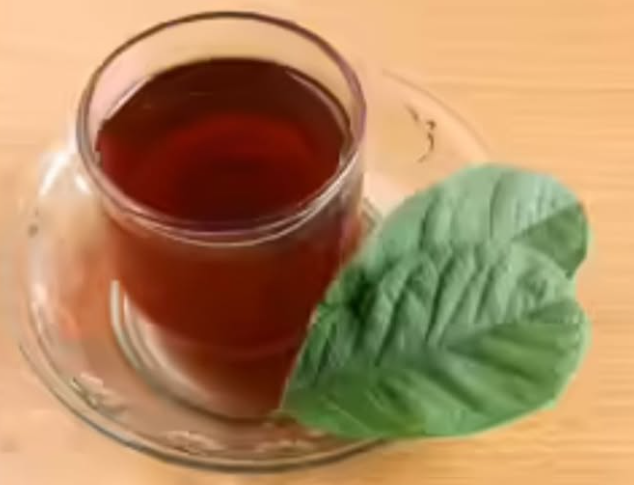
🍵 How Men Commonly Use BPH Herbs in Real Life
One reason prostate herbs stay popular is that they are easy to fit into daily routines. Most men do not use them as teas made from whole plants the way traditional herbal systems often did. Instead, they use capsules, softgels, combination supplements, or standardized extracts. That modern format has advantages: it is easier to dose, easier to remember, and easier to compare between brands. But it also creates distance from the plant itself, which is one reason men often lose track of what they are actually taking and why.
The better way to think about herbal use is not “take a pill and hope.” It is to match the herb to the goal. Some men are trying to reduce nighttime disruption. Others want less daytime urgency. Others simply want to feel like they are doing something proactive while monitoring symptoms with their clinician. That distinction matters because herbs are usually supportive, not dramatic. They are most reasonable when they are part of symptom management, not when they are expected to reverse years of prostate-related change in a week.
Another important reality is that men often try several things at once. They reduce evening fluids, switch supplements, add a tea, change caffeine habits, and begin walking more. Then they want to know what “worked.” In practice, it is often the total package. That is frustrating for people who want a single hero ingredient, but it is also more realistic. Bodies respond to patterns, not just products.
🧭 A Smarter Step-by-Step Approach Before Trying Any Herb
The first step is not shopping. It is confirming that the symptoms really fit BPH and that nothing more urgent is being missed. NIDDK makes clear that urinary symptoms can overlap with bladder problems, urinary tract infections, prostatitis, and prostate cancer, and that proper evaluation matters. Once that foundation is in place, herbs can be discussed more intelligently.
The second step is to define the problem clearly. Is the biggest issue waking up at night? Is it urgency? Is it weak stream? Is it the feeling of incomplete emptying? This matters because supplements often get judged vaguely. A man may say, “It did nothing,” when in reality it slightly improved one symptom but not the one he cared about most. Precision helps.
The third step is to clean up the obvious symptom triggers before expecting any herb to prove itself. That means reviewing evening fluid timing, caffeine, alcohol, physical inactivity, and over-the-counter medications that may worsen symptoms. NIDDK specifically warns that decongestants, antihistamines, tranquilizers, antidepressants, and diuretics can make BPH symptoms worse. If those factors are ignored, herbs are often being asked to compensate for a routine that keeps stirring the problem.
The fourth step is expectation management. Herbs are not a race. Men often give up too soon because they expect a dramatic overnight shift. Traditional botanical support is usually slower, subtler, and easier to appreciate when symptoms are mild to moderate rather than severe.
🌙 The Best Daily Routine for Men Exploring Natural Prostate Support
The most effective daily routines for BPH are often surprisingly unglamorous. You do not need a complicated biohacking schedule. You need consistency. A strong baseline routine starts in the afternoon and evening, because that is when many men accidentally set themselves up for a bad night.
Begin by being more intentional with liquids later in the day. NIDDK specifically recommends drinking fewer liquids before outings and before bed. This alone can reduce some of the nighttime frustration that makes BPH feel overwhelming. Limiting alcohol and caffeine, especially later in the day, can also help cut down on urgency and nighttime urination.
Physical activity belongs in the routine too. NIDDK notes that being physically active may help reduce BPH risk, and it lists activity among the lifestyle measures that may reduce symptoms. This does not require extreme workouts. A daily walk, better general movement, and less sedentary time can make the whole urinary system feel less burdened.
If a man chooses to use an herbal product, the smartest place for it is inside this kind of routine. The capsule or extract becomes one part of a system, not the whole system. That is how natural support stops feeling random and starts feeling disciplined.
🌿 How to Think About the Top Herbal Options Without Falling for Hype
Saw palmetto should be approached with caution and honesty. It remains the most common choice in the marketplace, but the strongest evidence summarized by NCCIH says saw palmetto alone probably offers little or no benefit for BPH symptoms. Men who still want to try it should do so knowing that its reputation is larger than its stand-alone evidence.
Nettle root is more quietly promising. NCCIH describes limited evidence that it may improve some symptoms of BPH, and that makes it one of the more interesting traditional options for men who want something evidence-aware without expecting miracles. Pygeum also deserves serious consideration in that same limited-but-promising category, especially for short-term symptom support.
Combination formulas are best approached as experiments with uncertainty, not as guaranteed precision tools. They may be helpful in some cases, especially because some trials of combined approaches have produced more encouraging results than single agents. But combination products also make it harder to know what is actually doing the work, which complicates both expectations and decision-making.
🍽️ Food and Lifestyle Habits That Often Matter as Much as Supplements
One of the most overlooked facts in BPH care is that eating, drinking, and timing matter, even though no single diet has been shown to cause or prevent BPH outright. NIDDK says researchers have not found eating, diet, or nutrition to cause or prevent BPH, but changes in eating and drinking habits may help treat or lessen some symptoms. In practical terms, that means the goal is not to obsess over one magic food. It is to reduce the things that intensify urinary disruption.
A man who eats heavily late at night, drinks alcohol in the evening, uses caffeine as an afternoon rescue, and stays sedentary may feel much worse than someone with similar prostate anatomy but better daily rhythm. That is not always what people want to hear, because it is easier to buy a supplement than to redesign evenings. But it is often the truth.
Another subtle habit that helps is not holding urine too long. NIDDK recommends using the restroom often and not trying to hold urine for long periods. Many men do the opposite, especially at work or during travel, and then wonder why the bladder feels irritable and uncooperative. Small changes in routine can reduce the baseline level of urinary tension that makes BPH feel relentless.
❌ Common Mistakes Men Make with “Natural” Prostate Remedies
The first mistake is trying herbs before getting checked. This is by far the biggest problem. Men often assume that nighttime urination and weak flow must be simple BPH, but urinary symptoms deserve evaluation because other problems can mimic them. Waiting too long can mean living with avoidable symptoms—or missing something that should have been addressed sooner.
The second mistake is treating a supplement label like proof. A bottle can mention “clinically studied” ingredients and still fail to reflect the real state of the evidence. Saw palmetto is the perfect example. Its name dominates the market, yet NCCIH’s summary of the current evidence is much more skeptical than the marketing language men usually see.
The third mistake is ignoring over-the-counter drugs that worsen symptoms. NIDDK explicitly notes that decongestants and antihistamines can aggravate BPH symptoms, along with some other classes of medication. A man may spend money on herbal support while unknowingly taking something that keeps tightening the urinary situation.
The fourth mistake is expecting severe symptoms to respond to mild self-care alone. Official treatment options exist for a reason. NIDDK says BPH may be managed with watchful waiting, medicines, or surgery depending on severity and quality-of-life impact. Herbs fit best in mild to moderate self-care territory, not in crisis management.
🛑 Safety and Precautions: When Natural Is Not Enough
The safest version of herbal prostate support is the one that never pretends to replace proper care. According to NIDDK, BPH can lead to complications such as urinary retention, hematuria, urinary tract infections, kidney disease, and bladder stones. NIDDK also lists urgent warning signs that need prompt medical attention, including being unable to urinate at all, painful frequent urgent urination with fever and chills, blood in the urine, and major discomfort or pain in the lower abdomen or urinary tract.
Even when symptoms are not urgent, men should remember that standard treatments exist because they work for many people. NIDDK lists alpha blockers, 5-alpha reductase inhibitors, phosphodiesterase-5 inhibitors, minimally invasive procedures, and surgery among the options depending on severity and response. Some people need watchful waiting and lifestyle changes; others need medication; others eventually need procedures. There is no shame in any of that. The goal is not ideological purity. The goal is to urinate normally, sleep better, and protect long-term urinary health.
NCCIH also advises people to talk with their health care providers about any complementary approaches they use for BPH. That guidance is easy to ignore, but it is wise. A supplement is still something you are taking for a health concern, and it deserves to be part of the conversation.
❓ Frequently Asked Questions About Herbs for Enlarged Prostate
1. Can herbs actually shrink an enlarged prostate?
That is not a safe assumption. The better question is whether a herb may help some urinary symptoms in some men. Official sources emphasize symptom improvement far more than guaranteed shrinkage. NIDDK’s standard medical treatments include drugs that may help stop growth or help shrink the prostate, but that is different from assuming herbs can reliably do the same.
2. Is saw palmetto still worth trying?
It depends on how realistic you are. NCCIH says saw palmetto alone probably is not helpful for BPH symptoms and cites a 2023 review finding little or no benefit when used alone. That does not forbid trying it, but it does mean men should not expect its reputation to match the evidence.
3. Which herbs look more promising than people realize?
Based on the official summaries reviewed here, nettle root and pygeum stand out as more interesting than many casual shoppers realize. NCCIH describes limited evidence that both may improve some BPH symptoms, especially over the short term. “Limited” is still the key word, but it is meaningful.
4. Can I rely only on herbs if I am waking up many times at night?
That would be risky if symptoms are significant or worsening. NIDDK says BPH treatment depends on how severe symptoms are and how much they affect quality of life. If nighttime urination is seriously disrupting sleep or daily functioning, it makes sense to get properly evaluated and discuss medical options rather than relying only on self-treatment.
5. Are lifestyle changes really that important?
Yes. NIDDK specifically recommends measures such as reducing evening fluids, limiting alcohol and caffeine, staying active, emptying the bladder fully, and avoiding or monitoring medicines that worsen symptoms. For many men, these habits are the foundation that makes every other approach work better.
6. What symptoms mean I should stop reading and get medical help?
NIDDK says urgent care is needed if you cannot urinate at all, if you have painful frequent urgent urination with fever and chills, if you see blood in your urine, or if you have major lower abdominal or urinary tract pain. Those are not “wait and see” symptoms.
7. Can over-the-counter medicines make BPH worse?
Yes. NIDDK says decongestants and antihistamines in cold and cough products can worsen symptoms, along with some tranquilizers, antidepressants, and diuretics. That is one reason a medication review matters before blaming everything on the prostate itself.
8. Are herbs better than prescription treatment?
Not as a blanket rule. NIDDK outlines established medical options for BPH, and NCCIH’s summaries show that evidence for herbs is mixed and often limited. Herbs may have a supportive role for some men, but they are not automatically stronger, safer, or more effective simply because they are natural.
🏁 Final Verdict: Nature Has Allies—But Wisdom Beats Hype Every Time
The reason prostate herbs remain compelling is simple: they speak to a very human hope. Men want to believe that relief can come from something gentler than a procedure, something older than a prescription, something that feels like support rather than surrender. That hope is not foolish. It is understandable. And in some cases, it is not entirely misplaced. Nettle root and pygeum have limited evidence suggesting they may support symptom relief for some men. Combination formulas may hold interest. Lifestyle adjustments absolutely matter. But the romance of natural medicine becomes dangerous the moment it replaces clarity.
If there is one lesson worth carrying forward, it is this: the best herb for enlarged prostate is never the one with the loudest label. It is the one considered honestly, used carefully, paired with smart habits, and never allowed to delay proper care when symptoms demand more. Saw palmetto may be the most famous, yet the evidence for it alone is weaker than many men assume. Less glamorous options like nettle root and pygeum may deserve more attention than they usually get. And all of them work best when they are treated as part of a bigger plan, not as magical fixes.
In the end, the real hidden ally is not just a plant. It is perspective. Get the diagnosis. Respect the warning signs. Fix the evening habits. Review the medications. Use herbs, if you use them, with realistic expectations. That is how men stop chasing prostate myths and start building prostate strategies that are calm, grounded, and actually useful.