🍵 How to Make Goosegrass Tea at Home
The classic version of goosegrass tea is simple. Traditionally, herbalists use the aerial parts of Galium aparine—usually the tender stems, leaves, and young tops. Fresh herb is often preferred in spring because cleavers is juicy and vibrant when newly gathered, but dried herb is also used, especially when people want convenience or year-round access. Reviews describing the traditional use of G. aparine specifically mention infusions as one of the common internal preparations. ([PMC][3])
If you are using fresh goosegrass, make sure the plant has been identified correctly and collected from a clean area away from pesticides, polluted roadsides, and contaminated runoff. Rinse it gently, chop it if needed, and steep it in hot water. If you are using dried herb, use a smaller volume because dried plants are more concentrated by volume than fresh ones. The goal is not to make the strongest brew imaginable. The goal is to make a clean, drinkable herbal infusion you can actually enjoy.
The flavor is usually mild, green, and slightly earthy. Some people find it bland on its own, which is not necessarily a flaw. Mild herbs are easier to personalize. A slice of lemon, a little mint, or a modest amount of honey can make the tea more enjoyable without overpowering the herb entirely.
📝 Step-by-Step Goosegrass Tea Recipe
🌿 Fresh Goosegrass Tea
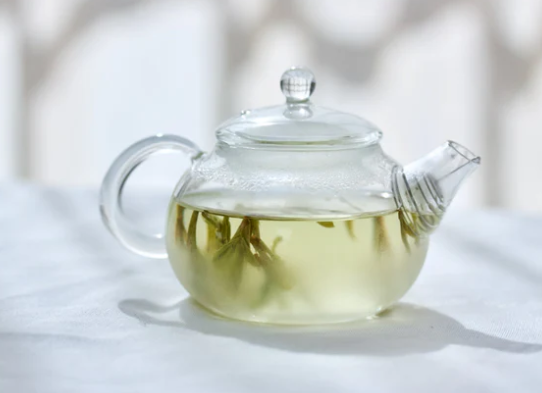
Take a small handful of fresh, correctly identified cleavers goosegrass tops and leaves. Rinse them well. Place them in a teapot, jar, or small saucepan and pour over hot water that has just come off the boil. Cover and steep for about 10 to 15 minutes, then strain. The result is a light herbal infusion with a fresh green quality. Because fresh cleavers is so watery and delicate, many traditional users prefer it during the plant’s active growing season.
🍃 Dried Goosegrass Tea
Use roughly 1 to 2 teaspoons of dried herb per cup of hot water. Cover and steep for 10 to 15 minutes, then strain. Dried goosegrass tea often tastes slightly deeper and flatter than the fresh version, but it is practical, easy to store, and more consistent from batch to batch.
🍋 Easy Flavor Variations
If plain goosegrass tea feels too soft for your taste, pair it gently. A squeeze of lemon brightens it. A few mint leaves make it cooler and fresher. A little honey can round out the edges. Keep the additions simple. If you add too many bold ingredients, the tea stops being about goosegrass and becomes just another mixed herbal drink.
⏰ The Best Time to Drink Goosegrass Tea
There is no single perfect time, but there are a few routines that make especially good sense. Many people enjoy goosegrass tea in the morning or early afternoon, when a light herbal drink feels refreshing rather than sleepy. Because the herb has a traditional association with “fluid-moving” and cleansing routines, daytime use tends to be more practical than drinking large amounts right before bed.
Some people like it seasonally rather than daily. Spring is the obvious time, especially if using fresh cleavers as part of a lighter seasonal rhythm. Others prefer it a few times per week whenever they want a simple herbal break from coffee, sweet drinks, or more aggressive supplements. In a realistic lifestyle, that kind of moderate use often works better than trying to turn every herb into a strict daily rule.
The bigger lesson is that goosegrass tea should fit your life, not dominate it. An herb that creates stress is defeating the point.
🌞 A Smart Daily Routine for Goosegrass Tea
The best herbal routine is usually the least theatrical one. A practical goosegrass routine might look like this: one cup in the late morning, good hydration through the rest of the day, balanced meals, and no exaggerated expectation that the tea must “do everything.” If fresh herb is in season, you might enjoy it more often during a few spring weeks and less often later. If you rely on dried herb, using it three or four times weekly may feel sustainable without becoming repetitive.
Goosegrass tea also pairs well with supportive lifestyle habits. If you are drawn to it for its traditional urinary reputation, basic hydration and moderation in your overall routine still matter. If you are attracted to it because of its historical connection with skin and seasonal cleansing, food quality, sleep, and stress management will still shape the results of your broader routine more than the tea alone ever could.
That is not meant to make the herb seem unimportant. It is meant to place it where it belongs: as part of a pattern, not a substitute for one.
🥗 Other Traditional and Practical Uses of Goosegrass
One of the most charming facts about Galium aparine is that it is not only an herb of infusions. Kew notes that the species is used for food as well as medicine, which reflects a broader historical truth: people have often blurred the line between edible spring greens and supportive herbs. That matters because it reminds us goosegrass is not just a supplement concept. It has lived in the real world of foraging and simple household use. ([Plants of the World Online][1])
Traditional use also extends beyond tea. Modern reviews and ethnobotanical discussions mention topical applications for skin-related purposes, especially in folk medicine. Even if your interest is only in drinking the tea, understanding those broader uses makes the plant feel less one-dimensional. It has been valued as a whole herb, not just as a trendy beverage. ([PMC][3])
For some people, the most useful “additional use” is simply culinary curiosity. Learning to recognize cleavers in the wild, understanding its season, and seeing it as more than a weed can change the way you look at common landscapes. Sometimes the greatest benefit of an herb is that it makes you pay closer attention to the natural world.
🌸 Lifestyle Tips That Make Goosegrass Tea More Worthwhile
If you want goosegrass tea to feel like more than a novelty, the surrounding habits matter. First, choose quality. Whether fresh or dried, use clean, well-identified plant material. Second, keep your expectations modest. A mild herb is often most satisfying when it is part of a softer, steadier wellness rhythm rather than a dramatic rescue plan.
Third, let it replace something less helpful. Goosegrass tea becomes more valuable when it takes the place of a sugary drink, a fourth coffee, or a random impulse supplement. Substitution is often where herbal habits show their real worth. Finally, pay attention to seasonality. Some herbs feel most alive when they are used in the seasons that originally gave them context. Goosegrass is one of them.
And perhaps the most important tip of all: notice how you feel instead of chasing internet promises. Good herbal use is observational. It respects the plant, but it also respects your own response.
❌ Common Mistakes People Make With Goosegrass Tea
The first mistake is misidentification. Because “goosegrass” can refer to more than one plant, using the wrong species is an avoidable problem. If you are foraging, make sure you mean Galium aparine and not another weed sharing the same common name. This is one of the strongest arguments for learning the botanical name, not just the nickname. ([Plants of the World Online][1])
The second mistake is assuming that traditional use automatically equals modern proof. It does not. Reviews on G. aparine describe interesting research and long herbal use, but they do not establish goosegrass tea as a clinically proven treatment for a broad list of conditions. Overstating the herb only damages trust. ([PMC][2])
The third mistake is treating “natural” as a synonym for “risk-free.” Federal health sources repeatedly warn that herbal products vary in quality, may interact with medicines, and do not go through the same testing process as prescription drugs. That warning applies to herbs in general, including seemingly gentle ones. ([NCCIH][6])
The fourth mistake is overcomplicating the preparation. Goosegrass tea is meant to be simple. When people add five other herbs, strange powders, or extremely concentrated doses, they lose the modest elegance that makes the remedy appealing in the first place.
⚠️ Safety and Precautions
The safest approach to goosegrass tea is calm, moderate, and informed. General guidance from the National Center for Complementary and Integrative Health and MedlinePlus emphasizes that “natural” products are not automatically safe, that evidence for herbal products varies widely, and that herbs can interact with prescription or over-the-counter medicines. MedlinePlus also notes that herbal medicines do not have to undergo the same testing as drugs and that some herbs can cause serious harm or interact with medications. ([NCCIH][6])
That means a few practical rules make sense. Avoid casual use if you are pregnant, breastfeeding, taking medications, or managing a health condition unless a qualified clinician says it is appropriate. Use caution with any herb if you are prone to allergies or sensitivities. And if you are thinking about goosegrass tea because you have ongoing urinary symptoms, skin issues, swelling, pain, fever, or other persistent concerns, get proper medical evaluation rather than relying on tea alone. General supplement-safety guidance from NIH and MedlinePlus strongly supports involving a health professional when herbs are being used around a real health concern. ([NCCIH][6])
Quality matters too. Herbal products can vary by source, freshness, contamination risk, and species accuracy. This is another reason why correct identification and careful sourcing matter more than people think.
❓ Frequently Asked Questions About Goosegrass Tea
1. Is goosegrass tea the same as cleavers tea?
Usually, yes. In herbal contexts, goosegrass tea generally refers to tea made from Galium aparine, which is also called cleavers. But because “goosegrass” can also refer to other plants such as Eleusine indica, the botanical name matters. ([Plants of the World Online][1])
2. What does goosegrass tea taste like?
It is usually mild, grassy, and lightly earthy rather than strongly bitter. Fresh cleavers often tastes greener and livelier than dried herb. That softer flavor is one reason many people find it easy to drink.
3. Can I make goosegrass tea from fresh plants?
Yes, fresh cleavers is commonly used in traditional herbal practice, especially in spring. Just make sure the plant is identified correctly and harvested from a clean area. Traditional discussions of the herb frequently refer to infusions made from the aerial parts. ([PMC][3])
4. Is there strong scientific proof behind goosegrass tea?
Not strong clinical proof in the broad sense. There is a meaningful traditional record and some interesting preclinical research on phytochemicals and biological activity, but that is not the same as robust human evidence for many popular claims. ([PMC][2])
5. Why do people use goosegrass tea for wellness routines?
Mostly because of its traditional reputation, mild flavor, seasonal appeal, and the fact that it fits gentle herbal habits well. It is one of those plants people return to because it feels simple, grounded, and believable.
6. Is goosegrass tea safe for everyone?
No herb should be assumed safe for everyone. NIH and MedlinePlus both warn that herbs can have side effects, quality issues, and drug interactions. People who are pregnant, breastfeeding, taking medicines, or dealing with ongoing symptoms should be more cautious and involve a professional. ([NCCIH][6])
7. Can goosegrass tea replace medical treatment?
No. It is better seen as a traditional herbal beverage, not a replacement for diagnosis or treatment. Persistent or concerning symptoms deserve medical attention, even if you also enjoy herbal tea as part of general wellness. ([NCCIH][6])
8. Why is goosegrass so appealing to foragers and herbalists?
Because it is common, distinctive, seasonal, and historically rich. It turns an overlooked “weed” into something useful, which is exactly the kind of transformation many foragers and herbalists love.
🌿 Final Thoughts: A Humble Herb With More Depth Than You’d Expect
Goosegrass tea is a perfect example of why herbal traditions still matter. Not because they always deliver instant answers, and not because every old remedy turns out to be scientifically proven, but because they preserve a different way of paying attention. They remind us that usefulness is not always flashy. Sometimes it is sticky, green, common, and half-forgotten until someone stops long enough to ask better questions.
Galium aparine, the cleavers goosegrass of herbal tea, has enough tradition to deserve respect and enough phytochemical interest to deserve continued research. What it does not deserve is hype. The most trustworthy way to enjoy goosegrass tea is to let it be what it is: a mild traditional herbal drink with a rich folk history, some promising scientific leads, and a clear need for more clinical study. ([PMC][2])
And in a way, that makes it more appealing, not less. You do not need goosegrass tea to be magical for it to be meaningful. It can simply be a beautiful, practical ritual. A fresh handful in spring. A warm cup on a quiet morning. A small connection to the older world of plant knowledge. Sometimes that is enough.
[1]: https://powo.science.kew.org/taxon/urn%3Alsid%3Aipni.org%3Anames%3A30007294-2?utm_source=chatgpt.com “Galium aparine L. | Plants of the World Online”
[2]: https://pmc.ncbi.nlm.nih.gov/articles/PMC11267910/?utm_source=chatgpt.com “Bringing back Galium aparine L. from forgotten corners … – PMC”
[3]: https://pmc.ncbi.nlm.nih.gov/articles/PMC7464609/?utm_source=chatgpt.com “Immunomodulatory Activity and Phytochemical Profile … – PMC”
[4]: https://pmc.ncbi.nlm.nih.gov/articles/PMC3137868/?utm_source=chatgpt.com “Eleucine indica Possesses Antioxidant, Antibacterial and …”
[5]: https://pmc.ncbi.nlm.nih.gov/articles/PMC12029887/?utm_source=chatgpt.com “A Review of Phytochemical and Pharmacological Studies on …”
[6]: https://www.nccih.nih.gov/health/dietary-and-herbal-supplements?utm_source=chatgpt.com “Dietary and Herbal Supplements | NCCIH – NIH”