🍵 How to Use Corn Silk: The Simplest and Most Popular Method
The most traditional and accessible way to use corn silk is as a tea. This is also the method most people find easiest to repeat consistently. You do not need fancy tools, special kitchen knowledge, or expensive ingredients. If you can boil water, you can make corn silk tea.
Fresh corn silk can be used when you have access to recently harvested corn. In that case, it should be clean, pale to golden, and free from spoilage. Dried corn silk is often preferred for regular use because it stores well and creates a more stable routine. Either option can work, as long as the silk is clean and properly handled.
The tea itself is usually mild, earthy, and soft in character. It is not the kind of herbal drink that shocks the taste buds. That can be a huge advantage for people who want a gentle daily infusion rather than something bitter and intense. Some people enjoy it plain, while others add a little lemon, mint, or honey for extra flavor.
The beauty of corn silk tea is that it feels doable. It can be made in small batches, sipped warm, or cooled and enjoyed later. That flexibility is one reason it fits so well into real life.
📝 Step-by-Step: How to Make Corn Silk Tea at Home
🌽 Using Fresh Corn Silk
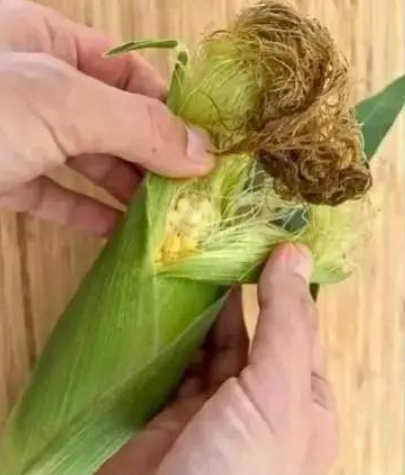
If you are working with fresh corn, start by peeling back the husk and collecting the silk. Choose silk that looks clean and healthy. Rinse it gently under cool water to remove dust or debris. Then place a small handful of the silk in a pot with about two to three cups of water.
Bring the water to a gentle boil, then reduce the heat and let it simmer for around 10 minutes. After that, turn off the heat and allow it to steep for another 10 to 15 minutes. Strain the liquid into a cup or jar, and it is ready to drink.
Fresh corn silk tea often feels especially satisfying because it connects directly to the plant and the season. It has a homemade quality that many people love.
🌾 Using Dried Corn Silk
Dried corn silk is even easier to use. Start with about one to two teaspoons of dried silk per cup of water. Place it in a teapot, mug infuser, or small saucepan. Pour hot water over it or simmer briefly, depending on your preferred method.
Let it steep for around 10 to 15 minutes, then strain. If you want a stronger infusion, you can steep slightly longer, but there is no need to overdo it. Corn silk is best approached with simplicity.
🍋 Flavor Options
Corn silk tea is mild enough that many people like to personalize it. A slice of lemon can brighten it. A few mint leaves can make it feel fresher. A little honey can soften the taste for those who want something slightly sweeter. The key is not to drown it out. Let corn silk stay at the center.
🌬️ How to Dry and Store Corn Silk Properly
If you want to make corn silk part of your regular routine, drying and storing it properly can save time and help preserve its quality.
Start by collecting fresh silk from clean ears of corn. Rinse gently if needed, then pat dry. Spread the silk out in a thin layer on a clean cloth, tray, or drying rack. Keep it in a dry, airy place away from direct sunlight and moisture. Turn it occasionally so it dries evenly. Once it feels fully dry and papery, transfer it to an airtight glass jar or sealed container.
Store the jar in a cool, dry cupboard. Labeling it with the date is a smart idea, especially if you like rotating herbs and dried ingredients. Properly dried corn silk can last for quite a while, but like any botanical ingredient, it is best when it still has a fresh herbal smell and clean appearance.
This process is one of the most satisfying parts of using corn silk. It turns something temporary into something lasting. It also deepens the feeling that you are participating in an old, practical kind of home wellness.
⏰ Best Time to Drink Corn Silk Tea
There is no single perfect time to drink corn silk tea, but some rhythms tend to work especially well.
Many people enjoy it in the morning as a light, warm start to the day. This can be especially appealing if you want something soothing before coffee or breakfast. A morning cup can set a calmer tone and help establish a hydration habit early.
Others prefer drinking corn silk tea in the afternoon, especially as a replacement for another caffeinated drink. This is a smart option for people trying to reduce coffee or sweet beverages later in the day while still enjoying something warm and satisfying.
Evening can also work well, especially if the tea feels calming and ritualistic for you. A cup after dinner may fit beautifully into a low-stimulation nighttime routine. The best timing depends on your body, your schedule, and the reason you want to use it.
As with most gentle herbal habits, consistency matters more than finding a supposedly perfect minute on the clock.
📅 A Practical Daily Routine With Corn Silk
If you want corn silk to become more than a one-time experiment, the secret is to build it into a routine that feels natural.
A simple example might look like this:
You wake up and start the morning with a cup of warm corn silk tea before breakfast. Later in the day, you focus on plain water and balanced meals. On busy afternoons, instead of grabbing another sugary drink, you make another mild herbal cup if you feel like it. In the evening, you keep meals simple and avoid turning tea into a complicated protocol.
Another good routine is to use corn silk tea just a few times per week. This is ideal for people who like variety and do not want to commit to daily use right away. A few regular cups can still help establish the habit without making it feel forced.
What matters most is that the routine feels sustainable. Corn silk works best as part of a life you can actually live, not as a challenge you are trying to survive.
🥗 Additional Ways to Use Corn Silk Beyond Tea
Tea is the classic use, but it is not the only option.
Some people cool corn silk tea and drink it as a chilled herbal beverage, especially in warmer weather. This can be a refreshing way to enjoy it if hot drinks are not your favorite. Others blend prepared corn silk tea with slices of lemon or cucumber for a lighter infused-water style drink.
Corn silk can also be combined in small amounts with other mild botanical ingredients in homemade tea blends. For example, it may pair nicely with mint for freshness, chamomile for softness, or a little ginger for warmth. The goal should always be balance. Corn silk has a subtle quality, so pair it with ingredients that complement rather than overpower it.
In some wellness traditions, extracts and powders are used, but for most people, tea remains the safest and most intuitive starting point. It is easier to control, easier to enjoy, and more aligned with the traditional spirit of the ingredient.
🌟 Extra Lifestyle Tips to Get More From Corn Silk
Corn silk is best understood as a partner to healthy habits, not a replacement for them. If you want the most satisfying experience, the surrounding lifestyle matters.
Hydration is the obvious place to start. Drinking corn silk tea while ignoring overall fluid intake misses the point. The tea works best when it is part of a broader hydration pattern that includes enough water and a sensible daily rhythm.
Food choices matter too. Many people find that herbal teas feel more effective when paired with simpler meals, less heavy snacking, and fewer overly salty or ultra-processed foods. This is not about strict rules. It is about creating an environment where gentle wellness habits can actually be felt.
Movement matters as well. Walking, stretching, and not sitting for too long can support the kind of lightness and balance people often hope to get from herbal routines. Sleep, stress reduction, and fewer sugary drinks all reinforce the same direction.
In other words, corn silk is not supposed to carry your entire wellness life on its own. It is one strand in a larger fabric.
❌ Common Mistakes People Make With Corn Silk
One common mistake is using dirty or questionable corn silk. If the silk comes from corn that has been poorly handled, sprayed heavily, or stored badly, that is not ideal for making tea. Clean sourcing matters.
Another mistake is expecting something dramatic after one cup. Corn silk is a gentle ingredient. Its benefits are more likely to appear as part of consistent habits than as a sudden transformation. People often miss its value because they are looking for fireworks instead of subtle support.
Overcomplicating the preparation is another issue. Some people start adding too many other ingredients, turning the tea into a crowded experiment. Corn silk shines when it is allowed to stay simple. Mild additions are fine, but there is no need to build an entire chemistry lab in your kitchen.
Using too much is also unnecessary. More does not always mean better. Stronger is not always smarter. Start small, pay attention, and let moderation lead.
Finally, some people mistake “natural” for “risk-free.” That is never the best mindset. Even gentle ingredients deserve common sense and awareness.
⚠️ Safety and Precautions
Corn silk is generally treated as a gentle traditional ingredient, especially when used as a tea in moderate amounts. Still, it is wise to be sensible.
If you have allergies related to corn or specific plant sensitivities, caution makes sense. If you are pregnant, breastfeeding, taking medication, or managing a health condition, it is smart to speak with a qualified health professional before making herbal ingredients a regular part of your routine. This is especially important if your interest in corn silk is connected to urinary symptoms or other ongoing concerns that deserve proper evaluation.
Corn silk should not be treated as a substitute for medical care. Persistent discomfort, pain, swelling, fever, blood in the urine, or any symptom that feels significant or unusual should not be managed with tea alone. Traditional remedies can be supportive, but they should not replace good judgment.
The healthiest approach is respectful use: small amounts, realistic expectations, and attention to how your body responds.
❓ Frequently Asked Questions About Corn Silk
1. Can I use fresh corn silk straight from the cob?
Yes, as long as it is clean and from good-quality corn. Rinse it gently before using it in tea. Fresh corn silk is a traditional and enjoyable option when corn is in season.
2. Is dried corn silk better than fresh?
Not necessarily better, just more convenient for regular use. Fresh corn silk feels more seasonal and direct, while dried corn silk stores easily and makes it simpler to brew tea anytime.
3. What does corn silk tea taste like?
It is usually mild, soft, earthy, and slightly sweet or grassy. It is far gentler than many strong herbal teas, which is one reason many people enjoy it.
4. How often can I drink corn silk tea?
Many people choose moderate use a few times per week or as part of a gentle daily routine. The best approach is to start small, stay reasonable, and notice how it fits your body and schedule.
5. Can I mix corn silk with other herbs?
Yes. Mild pairings like mint, chamomile, lemon peel, or a small amount of ginger can work nicely. Keep the combinations simple so the tea stays balanced.
6. Can I drink corn silk tea cold?
Yes. Once brewed, it can be cooled and enjoyed chilled. This is especially nice in warmer weather and can make hydration feel more refreshing.
7. Why do people call corn silk an overlooked remedy?
Because most people throw it away without realizing it has a long history of traditional use. Its reputation has survived quietly in home remedies even while modern kitchens treated it like waste.
8. Is corn silk a miracle cure?
No. It is better understood as a gentle traditional wellness ingredient that may support healthy habits. Its value lies in consistency, simplicity, and how it fits into a broader healthy lifestyle.
🌽 Expert-Style Conclusion: Why Corn Silk Still Matters in a Modern Wellness World
Corn silk is a beautiful reminder that wellness does not always arrive in shiny packaging. Sometimes it hides in the parts of everyday plants we never learned to value. Those fine golden threads tucked beneath the husk may look insignificant, but their story is surprisingly rich. They connect agriculture to herbal tradition, simplicity to self-care, and the overlooked to the useful.
What makes corn silk worth paying attention to is not just its long list of traditional associations. It is the kind of role it can play in real life. It can help turn hydration into a ritual instead of a chore. It can offer a mild, comforting alternative to more stimulating drinks. It can support a slower, more intentional relationship with wellness. And perhaps most importantly, it encourages the kind of sustainable habit-building that matters far more than short bursts of health enthusiasm.
That is the real magic of ingredients like corn silk. They do not demand a reinvention of your life. They simply invite a better rhythm. A cup of tea in the morning. A cleaner choice in the afternoon. A calmer ritual in the evening. A deeper appreciation for traditional knowledge. A quieter approach to feeling well.
In a world that constantly pushes louder promises, corn silk offers something more believable and, in many ways, more valuable: gentle support. Not hype. Not drama. Just a humble plant ingredient that has been quietly helping people build simple wellness habits for generations.
And maybe that is why it continues to resonate now. Because more and more people are realizing that lasting health often begins not with the most powerful product, but with the most repeatable act. A handful of dried silk. A pot of hot water. A few quiet minutes. Sometimes, that is more than enough to begin.