🍵 How to Prepare Anise Seeds for Daily Use
If anise seeds are going to become part of your routine, the good news is that they do not demand anything complicated. In fact, one of the reasons they have survived across generations is because they are so easy to use. You do not need expensive tools or fancy recipes. A spoon, hot water, and a little patience are often enough.
The most common method is tea. To prepare a basic anise seed tea, start with about one teaspoon of whole anise seeds for one cup of water. Lightly crushing the seeds first can help release more aroma and flavor. You can do this with the back of a spoon, a mortar and pestle, or even by pressing them gently between two flat surfaces. Bring water to a boil, add the seeds, then lower the heat and let them simmer softly for several minutes. After that, cover and steep a little longer before straining. The result is a warm, fragrant tea with a sweet-spiced profile that feels both soothing and elegant.
Some women prefer a lighter infusion, especially if they are new to the taste. Others enjoy combining anise with complementary ingredients such as fennel, cinnamon, ginger, or a slice of lemon. These combinations can change the character of the drink while keeping anise at the center. The key is to begin simply so you can learn how your body and your taste buds respond.
Anise can also be used in food. Toasted lightly in a dry pan, the seeds develop a deeper aroma and can be added to porridges, homemade crackers, soups, rice dishes, or baked recipes. Ground anise works well in spice blends and can be mixed into warm drinks. In some traditions, tiny amounts of the seeds are chewed after meals for their refreshing quality. However you use them, moderation and consistency are far more valuable than large amounts.
📝 Step-by-Step: The Best Homemade Anise Tea for Women
If you want the simplest and most reliable way to start, a basic tea routine is ideal.
🌿 Ingredients
A good starting point is very simple: one teaspoon of anise seeds and one cup of water. That is enough to create a fragrant, balanced cup without overwhelming the palate. If desired, you can later add a thin slice of fresh ginger, a few fennel seeds, or a touch of honey after straining.
👩🍳 Method
First, lightly crush the anise seeds. This is optional, but it improves the flavor and helps release the aromatic oils. Next, bring the water to a gentle boil. Add the seeds, reduce the heat, and allow the mixture to simmer for around five minutes. Turn off the heat, cover the pot, and let it steep for another five to seven minutes. Then strain and pour into your favorite mug.
The first sip may surprise you if you are new to anise. It is sweet-smelling but not sugary, aromatic but not overpowering when prepared properly. It feels warming without the intensity of stronger spices. Many women come to enjoy it most in the evening, after meals, or during moments when the body feels like it needs something softer than coffee or cold drinks.
💡 Taste Tips
If the tea tastes too strong, use fewer seeds next time or steep it for less time. If it tastes too weak, lightly crush the seeds more thoroughly or steep a little longer. This is an ingredient that rewards adjustment. Once you find your preferred strength, the ritual becomes easy to repeat.
⏰ Best Daily Routines for Using Anise Seeds
The ideal routine depends on why you are drawn to anise in the first place. Women who want post-meal comfort often do best with a cup after lunch or dinner. Women who enjoy calming rituals may prefer it in the evening. Those who like warming drinks in the morning sometimes blend anise with other spices for a more aromatic start to the day.
One practical routine is to use anise tea three or four evenings per week after dinner. This keeps the habit regular without making it feel forced. Another good option is to reserve it for days when meals are heavier, stress is higher, or the body simply feels less settled than usual. That makes it feel responsive and intuitive.
Some women enjoy creating a “cycle-based” habit, using warming herbal drinks more intentionally during certain days of the month when the body feels like it needs extra gentleness. Others like to use anise seasonally, drinking it more often during colder weather and relying on it less during hot months. There is no single perfect schedule. The best routine is the one that feels sustainable and pleasant.
This is important because wellness habits that feel punishing do not last. Anise works best when it slips naturally into your day. The ritual should feel inviting, not demanding.
🥣 Creative Ways to Use Anise Seeds Beyond Tea
Tea may be the easiest use, but it is far from the only one. Anise seeds can bring flavor and character to foods in ways that make wellness feel delicious rather than repetitive.
In breakfast recipes, a small pinch of ground anise can be stirred into oatmeal, overnight oats, or warm grain bowls. Paired with cinnamon and fruit, it creates a cozy profile that feels especially comforting in cooler weather. In baking, anise works beautifully in biscuits, rustic breads, seed crackers, and lightly sweet homemade cakes where its licorice-like aroma can stand out without being overwhelming.
Savory cooking also has room for anise. A small amount can deepen soups, lentil dishes, or vegetable stews. It pairs surprisingly well with carrots, citrus, fennel, and certain legumes. Women who enjoy experimenting in the kitchen often discover that anise helps meals feel more memorable. And when an ingredient tastes good, it becomes easier to include regularly.
Another simple method is to make a homemade spice blend. Toast anise seeds lightly, combine them with fennel and a little cinnamon, then grind into a powder. This can be sprinkled on porridge, mixed into warm milk alternatives, or added in tiny amounts to baked goods. It turns the seed into a convenient everyday ingredient.
🌸 Additional Wellness Benefits Women Often Notice Over Time
Beyond the classic digestive and comforting uses, many women find that anise-based routines create secondary benefits simply because they support better daily habits. A woman who drinks anise tea in the evening may naturally snack less late at night. A woman who uses it after meals may become more mindful about how quickly she eats. A woman who starts keeping herbs in the kitchen may gradually build a more intentional relationship with food as a whole.
This is the hidden strength of natural rituals. They often improve lifestyle patterns indirectly. Anise may not change everything by itself, but it can anchor moments of slowness, reflection, and care that spread into other parts of life. That can mean better hydration, calmer evenings, less reliance on overly sweet drinks, or more pleasure in simple meals.
Some women also appreciate the sensory side effects of the habit. A fragrant cup of tea can feel emotionally comforting during stressful periods. A spice that reminds you of family traditions can make self-care feel less clinical and more rooted. Wellness becomes easier to sustain when it feels personal and familiar.
🏃 Lifestyle Tips That Pair Beautifully with Anise Seeds
Anise seeds work best as part of a bigger lifestyle, not as a standalone shortcut. If you want to get the most from them, it helps to build a few complementary habits around their use.
One of the most effective pairings is slower eating. Since anise is often used after meals, it makes sense to improve the meal itself too. Eating without rushing, chewing thoroughly, and paying attention to fullness can change digestive comfort more than people realize. Anise then becomes a supportive finish rather than a rescue plan after a chaotic meal.
Hydration is another natural partner. Women often discover that what feels like heaviness or sluggishness improves when they are consistently hydrated throughout the day. Anise tea can count as part of that broader hydration pattern, especially for those who struggle to drink enough plain water.
Gentle movement also complements anise routines well. A short walk after meals, stretching in the evening, or a calmer bedtime routine can enhance the feeling of overall balance. None of these habits are extreme, and that is exactly the point. Anise belongs to a style of wellness built on realistic actions.
Sleep hygiene matters too. If your evening tea with anise becomes part of a wind-down ritual that also includes dimmer lights, less screen time, and a quieter pace, the combined effect can feel far more meaningful than the tea alone. Wellness habits become strongest when they reinforce one another.
❌ Common Mistakes People Make with Anise Seeds
One of the easiest mistakes is using too much. Because anise has a strong flavor, more is not better. A tea that is too concentrated can be unpleasant and may cause people to abandon the ingredient before they learn to appreciate it. Start small. Let the relationship with the flavor build gradually.
Another common mistake is expecting instant transformation. Anise seeds are best understood as a supportive ingredient, not a dramatic intervention. Their value comes from repetition and context. If someone drinks one cup and waits for a major life change, disappointment is almost guaranteed. But if they incorporate anise into a thoughtful routine, the experience is usually much more satisfying.
Some people also buy anise seeds and then store them poorly. Exposure to air, heat, and moisture reduces their aroma over time. Keep them in a sealed container away from direct sunlight and strong humidity. Freshness matters with aromatic seeds.
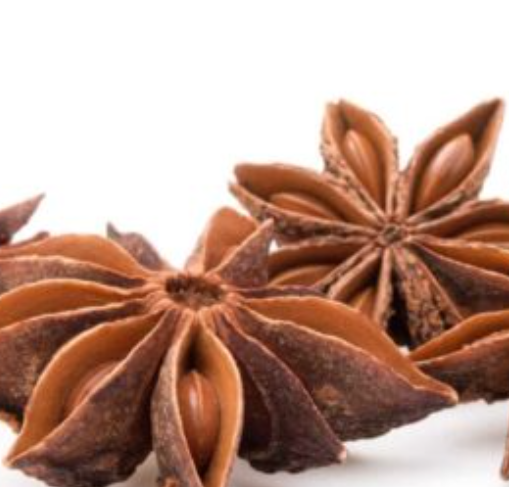
Confusing anise with other spices is another issue. Since star anise and anise seeds are not the same plant, they should not automatically be treated as interchangeable in recipes or traditions. Their flavor overlap is real, but their use is not identical.
Finally, many people forget the most important rule of herbal habits: pay attention to your own body. What feels supportive for one woman may not become a daily favorite for another. Personal experience matters.
⚠️ Safety and Precautions for Women Using Anise Seeds
Anise seeds are commonly used in food and tea in small amounts, and many people tolerate them well as part of a balanced diet. Still, sensible precautions matter. Women with known sensitivities or allergies to anise or similar plants should avoid using it. Anyone who is pregnant, breastfeeding, taking medication, or managing a specific health condition should be especially thoughtful and consider professional guidance before using herbal ingredients regularly in concentrated forms.
Moderation is the safest and smartest approach. Culinary amounts and gentle teas are usually where traditional use lives. That is very different from assuming that concentrated or excessive use is automatically better. It is not.
It is also wise to treat anise as a complement to a healthy lifestyle, not a substitute for medical care or personalized advice. If a woman is dealing with ongoing discomfort, persistent digestive problems, or significant hormonal concerns, those issues deserve proper attention. Anise may still have a place as part of a supportive routine, but it should not be framed as the whole answer.
Used respectfully, anise seeds are best seen as a small daily ally—pleasant, traditional, and potentially supportive when integrated thoughtfully.
❓ Frequently Asked Questions About Anise Seeds for Women
1. Can women drink anise tea every day?
Many women choose to enjoy anise tea regularly in moderate amounts, but daily use should still be sensible and balanced. A few times a week is a realistic starting point. This gives you time to observe how your body responds without making the habit feel excessive.
2. What is the best time to drink anise tea?
The most popular times are after meals and in the evening. After meals, it fits naturally into digestive rituals. In the evening, it works beautifully as part of a calming routine. The best time depends on your goals and preferences.
3. Do I need to crush anise seeds before making tea?
You do not have to, but lightly crushing them often improves the flavor and aroma. Whole seeds still work, but crushing helps release more of the aromatic oils into the water.
4. Can I combine anise seeds with other herbs?
Yes. Many women enjoy pairing anise with fennel, ginger, cinnamon, or lemon depending on the taste and mood they want. Start with simple combinations so the flavor remains balanced.
5. Are anise seeds and fennel seeds the same thing?
No. They are different seeds, though they share some sweetness and are often used in similar herbal traditions. Their flavor profiles overlap slightly, which is why they are sometimes combined.
6. Can I use anise seeds in food instead of tea?
Absolutely. They can be added to porridges, baked goods, soups, seed blends, and spice mixes. Tea is just the easiest entry point.
7. Why do anise seeds matter specifically for women?
They matter because women have historically used them in routines connected to comfort, digestion, monthly rhythms, and daily balance. Their relevance comes from tradition, practicality, and the way they fit into real wellness habits.
8. How long does it take to notice the benefits of anise seeds?
That depends on what you are using them for and how consistently you use them. Some women simply notice that the ritual feels pleasant right away. Other benefits are more about the effect of repeated habits over time rather than a single dramatic moment.
🌿 Expert-Style Conclusion: Why Anise Seeds Deserve a Place in Modern Women’s Wellness
In the end, the enduring appeal of anise seeds says something important about health itself. The most useful wellness habits are often not the loudest ones. They are the habits that can be repeated on ordinary days, in ordinary kitchens, without pressure or perfection. Anise seeds belong to that category. They are ancient without being outdated, fragrant without being fussy, and supportive without demanding that they become the center of your life.
For women, that balance matters. Real life is rarely neat. It includes stress, changing energy, fluctuating routines, family responsibilities, work pressure, shifting hormonal experiences, and the constant challenge of taking care of yourself without turning wellness into another exhausting job. Anise seeds offer a different style of support. They invite small actions: a warm cup after dinner, a calmer transition into evening, a more mindful finish to a meal, a spice blend that makes nourishing food feel a little more special.
Tradition gives anise seeds their emotional credibility. Science gives them modern relevance. But what really makes them valuable is usability. You can actually live with them. You can keep them in a jar, reach for them when needed, and build a gentle ritual around them that feels comforting rather than complicated.
That is why anise seeds continue to matter. Not because they promise perfection. Not because they perform magic. But because they fit beautifully into the kind of slow, intelligent, sustainable wellness that many women are finally choosing over hype.
And sometimes, that is exactly what the body has been asking for all along: not more intensity, but more consistency. Not more noise, but more care. Not another trend, but one small, fragrant seed that has quietly understood the assignment for generations.