🍹 Natural Juice to Help Lower Cholesterol: Recipe, Benefits & Tips
There are some health topics that feel distant until the day they suddenly become personal. Cholesterol is often one of them. For years, many people hear the word in passing, usually during a routine checkup, a conversation about heart health, or an article shared by a friend who has decided to “eat better.” It sounds clinical, technical, and easy to ignore. Then one day, it lands differently. A lab result arrives. A doctor mentions it. A family member starts paying attention to it. And just like that, the search begins for practical, realistic ways to support healthier daily habits.
That search often leads straight to the kitchen. Not because the kitchen offers miracles, but because it offers something more useful: repeatable choices. A better breakfast. More fiber-rich meals. Fewer ultra-processed snacks. A drink that feels fresh, intentional, and easier to say yes to than sugary alternatives. That is where interest in a natural juice to help lower cholesterol has taken off. People are not just looking for a recipe. They are looking for a ritual. Something simple enough to make, pleasant enough to keep drinking, and smart enough to fit into a heart-conscious lifestyle.
The appeal is easy to understand. Juice feels approachable. It is colorful, energizing, and emotionally associated with starting over. A glass of fresh juice carries a kind of symbolic optimism that few health habits can match. It looks clean. It feels active. It suggests that today can be a little better than yesterday. And when the ingredients include fruits, vegetables, herbs, and fiber-friendly additions often linked with heart-smart eating patterns, the recipe becomes even more compelling.
Still, the healthiest way to talk about this topic is with balance. No juice alone can erase years of habits, replace medical advice, or guarantee lower cholesterol. Heart health is shaped by the total pattern of life: food quality, fiber intake, movement, sleep, stress, body weight, genetics, smoking status, and medical care when needed. But that does not make juice unimportant. In fact, it makes it more interesting. A well-designed juice can be one supportive piece of a bigger, smarter routine.
And that is where this article begins. Not with hype, but with possibility. We are going to explore a natural juice recipe built around ingredients commonly associated with a heart-friendly lifestyle, along with the benefits people find appealing, the smartest ways to use it, the mistakes to avoid, and the practical tips that make it easier to turn one healthy idea into an actual daily habit. Because when people search for a natural juice to help lower cholesterol, what they usually want is not fantasy. They want something they can actually do.
What makes this topic especially powerful is that it connects nutrition with momentum. A good juice recipe can create a gateway effect. Someone who starts the day with a fresh, vegetable-forward juice may be more likely to choose a better lunch. Someone who swaps a sugary drink for a homemade blend may begin noticing other changes worth making. Someone who starts caring about ingredients might start caring about sleep, walking, and meal balance too. This is how real health changes often happen—not all at once, but by one meaningful choice nudging the next.
There is also a sensory reason these juices resonate. Tart citrus, crisp apple, earthy beet, cooling cucumber, fresh ginger, leafy greens, celery, mint, carrot, and berries all bring more than nutrition. They bring personality. They make the drink feel alive. This matters because no habit survives on good intentions alone. If a health-supportive juice tastes dull, feels punishing, or leaves people hungry and unsatisfied, it usually does not last. But a juice that feels refreshing and enjoyable has a much better chance of becoming part of real life.
That is why the most effective natural juice for cholesterol support is not necessarily the most dramatic one. It is the one a person can imagine making again tomorrow. And the day after that. It is the recipe that fits into a busy morning, uses accessible ingredients, and supports a broader pattern of eating that includes fruits, vegetables, oats, legumes, nuts, seeds, and other heart-smart foods. In other words, the best juice is not a replacement for a healthy lifestyle. It is an entry point into one.
✨ What Does “Natural Juice to Help Lower Cholesterol” Really Mean?
When people type this phrase into a search bar, they are usually looking for a drink made from whole, familiar ingredients that fits into a cholesterol-conscious routine. In most cases, they mean a homemade juice or blended drink built from fruits and vegetables often associated with heart-friendly eating. The goal is not to create a miracle tonic. The goal is to support better daily nutrition in a form that feels simple and motivating.
It is helpful to understand what “help lower cholesterol” can responsibly mean in this context. It does not mean a single glass transforms blood lipids overnight. It means the juice may support habits commonly linked with better heart health, especially if it encourages a higher intake of produce and replaces less helpful choices like sugar-heavy drinks, heavily processed snacks, or skipped breakfasts followed by impulsive eating later in the day.
In many cases, the most promising natural juice ingredients are not chosen because they are exotic. They are chosen because they fit the broader dietary pattern associated with healthy cholesterol management. Think produce-rich eating, ingredients with naturally occurring plant compounds, and add-ins that make the drink more filling or more compatible with a fiber-conscious approach. Apples, citrus, berries, cucumber, celery, leafy greens, beetroot, carrot, ginger, and small amounts of flax or chia when blending are all popular for this reason.
That last detail matters a great deal. Strict juice removes much of the fiber that whole fruits and vegetables naturally provide, while blended drinks retain more of it. Since fiber plays such an important role in heart-friendly eating patterns, many people find that a smoothie-style juice or hybrid blended drink makes more sense than a fully strained juice. This does not make traditional juicing useless. It simply means the smartest version of the habit often leans closer to whole-produce blending than to pure liquid extraction.
So in practical terms, a natural juice for cholesterol support is best understood as a strategic drink. It is a deliberate combination of produce and optional fiber-supporting ingredients designed to fit into a balanced lifestyle. It is not a cure. It is not a substitute for medical care. It is one tool that can help make better daily choices easier, more pleasant, and more sustainable.
📜 Why Homemade Heart-Friendly Juices Became So Popular
The rise of homemade wellness juices did not happen by accident. It grew out of several cultural shifts happening at once. People became more aware of the links between food habits and long-term health. They grew more skeptical of highly processed products marketed as healthy. They became interested in colorful ingredients, kitchen rituals, and recipes that felt both nourishing and visually appealing. At the same time, social media made it easier than ever for a bright green juice or ruby-red beet blend to become an object of aspiration.
But the deeper appeal of homemade juice goes beyond aesthetics. It offers a sense of control. Health advice can feel overwhelming, especially when it involves numbers, medical terms, or lifestyle changes that sound difficult to sustain. A juice recipe cuts through some of that complexity. It gives people something concrete to do. Buy produce. Wash it. Blend it. Drink it. Start there. For many, that simplicity is emotionally powerful.
There is also an older tradition beneath the modern trend. Across cultures, people have long prepared fresh plant-based drinks from fruits, vegetables, herbs, and roots. Citrus drinks, vegetable tonics, herb-infused waters, and fresh juice combinations have appeared in many food traditions as seasonal refreshers or restorative household preparations. Today’s cholesterol-supportive juice movement is in many ways a contemporary expression of that older instinct: use simple ingredients from nature to support a healthier daily rhythm.
The modern version, however, has become more focused. Rather than drinking juice simply for refreshment, people now choose ingredients with a purpose in mind. A green juice for energy. A berry blend for antioxidants. A beet-based recipe for exercise support. A high-fiber smoothie for fullness. A citrus-and-vegetable drink for a fresh start after heavy eating. Cholesterol-focused juice sits within this larger pattern. It speaks to the desire for a functional everyday beverage that feels proactive without being extreme.
That balance is important. The juices that last are not the ones built around fear or punishment. They are the ones built around flavor, convenience, and a believable role in ordinary life. A glass of natural juice can be a pleasure. It can also be a quiet signal that a person is beginning to take care of themselves differently. That combination of enjoyment and intention is exactly why these recipes keep spreading.
🧪 What Ingredients Make a Natural Juice Feel Heart-Smart?
The most popular juices for cholesterol-conscious readers usually revolve around ingredients that fit well into broader heart-friendly eating patterns. The idea is not that one ingredient acts like a magic switch. It is that each one contributes something useful, whether that is freshness, color, nutrient variety, lower reliance on added sugar, or compatibility with a higher-produce lifestyle.
🍏 Apple
Apple is often used as the naturally sweet backbone of many wellness juices. It helps balance greener or earthier ingredients like celery, spinach, cucumber, or beetroot. Because many people are trying to reduce added sugars while still enjoying their drink, apple offers a bridge between flavor and practicality.
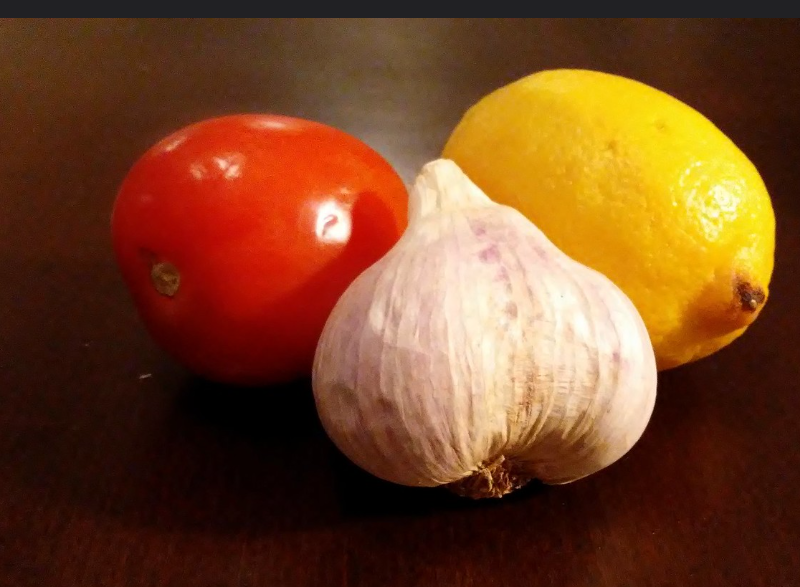
🍋 Lemon
Lemon adds brightness and makes almost any vegetable-based juice feel cleaner and more lively. Its acidity sharpens the overall flavor and helps prevent the drink from tasting flat. It also creates the impression of freshness, which makes the habit more appealing in the long run.
🥒 Cucumber
Cucumber brings hydration, a cooling quality, and a mild base that works beautifully in green juices. It adds volume without heaviness and helps create a drink that feels crisp rather than dense or overly sweet.
🥬 Leafy Greens
Spinach, kale, or other mild leafy greens often appear in these juices because they allow people to increase vegetable intake in an easy way. Greens signal nutrition in a very visible way, but when used thoughtfully, they do not have to overpower the drink.
🫚 Ginger
Ginger adds warmth, personality, and an almost energizing edge. It makes a juice feel more vivid and less one-dimensional. A small amount can completely change the experience of drinking it.
🍓 Berries
Berries are especially popular in blended cholesterol-supportive drinks because they bring vibrant flavor, natural color, and a strong association with heart-smart eating. They can help reduce the need for sweeter fruits while keeping the drink enjoyable.
🥕 Carrot and Beetroot
These ingredients make juices feel substantial. Carrot adds natural sweetness and color. Beetroot adds depth and earthiness. Both are widely used in wellness drinks that aim to feel nourishing rather than thin or watery.
🌾 Oats, Flax, or Chia in Blended Versions
This is where the recipe can become especially smart. When a drink is blended rather than fully juiced, additions like oats, flaxseed, or chia can make it more satisfying and more aligned with a fiber-aware lifestyle. The result feels closer to a strategic breakfast or snack than to a simple beverage.
💫 The Best Natural Juice Recipe to Support a Cholesterol-Conscious Lifestyle
If the goal is to create a natural juice that supports healthier cholesterol habits, the best recipe is one that emphasizes produce, keeps sweetness in balance, and includes optional fiber-supporting ingredients when blended. The following recipe is designed to be practical, refreshing, and easy to repeat.
🍹 Everyday Heart-Smart Green Juice Blend
Ingredients:
1 green apple
1/2 cucumber
1 celery stalk
1 handful spinach
Juice of 1/2 lemon
A small piece of fresh ginger
1 tablespoon ground flaxseed or 1 tablespoon oats, optional for blended version
1 cup cold water or unsweetened coconut water
A few ice cubes, optional
Method:
Wash all ingredients thoroughly. Chop the apple, cucumber, and celery into small pieces. If using a blender, add all ingredients to the blender with water and blend until smooth. For a thinner drink, add a little more water. If desired, strain lightly, but keeping more of the pulp creates a more filling and fiber-friendly result. If using a juicer, juice the apple, cucumber, celery, spinach, lemon, and ginger, then stir in a small amount of ground flax separately only if your preference and texture tolerance allow it.
This recipe works so well because it avoids extremes. It is not too grassy. It is not too sweet. The apple softens the greens, the cucumber and celery make it refreshing, the lemon brightens everything, and the ginger adds enough personality to keep the drink from becoming forgettable. The optional flax or oats transform it from a trendy juice into a smarter, more satisfying wellness habit.
🌟 10 Reasons People Love This Natural Juice for Cholesterol-Friendly Living
1️⃣ It makes vegetables easier to consume
For many people, drinking a vegetable-forward blend feels less intimidating than building a full salad first thing in the morning. A juice can act as an accessible entry point into higher produce intake.
2️⃣ It can replace less helpful beverages
One of the most practical benefits is substitution. When a homemade juice replaces a sugary soft drink, overly sweet bottled beverage, or dessert-like coffee habit, it supports a healthier pattern almost immediately.
3️⃣ It creates momentum for better choices
A fresh juice often changes the tone of the day. After making a healthy drink, people frequently feel more motivated to eat a balanced breakfast or avoid impulsive snacking.
4️⃣ It feels refreshing rather than restrictive
Some health habits feel like punishment. A well-made juice feels like care. That emotional difference matters because sustainable habits are easier to keep when they do not feel punitive.
5️⃣ It is easy to personalize
Some people want more lemon. Others like more cucumber or berries instead of apple. The recipe can adapt to taste while still supporting the same broader goal.
6️⃣ It supports breakfast consistency
Many people skip breakfast or reach for something overly processed in the morning. A ready-to-blend juice can help create a more intentional start to the day.
7️⃣ It adds variety to a heart-friendly routine
Even healthy eating gets repetitive. Juice brings color, freshness, and a different sensory experience that can make the overall routine more enjoyable.
8️⃣ It encourages kitchen engagement
The act of washing produce, using fresh ingredients, and preparing a drink from scratch often strengthens the connection between health goals and everyday behavior.
9️⃣ It can be paired with fiber-rich meals
When used alongside oats, legumes, nuts, seeds, and produce-rich meals, a juice fits naturally into a cholesterol-conscious eating pattern rather than standing apart from it.
🔟 It feels like a realistic ritual
The best wellness habits are the ones people can imagine repeating. This kind of juice often becomes exactly that: a calm, repeatable ritual with both nutritional and emotional value.
🌍 Traditional and Modern Roots of Produce-Based Wellness Drinks
Fresh fruit and vegetable drinks are not a new invention. Across many cultures, households have long prepared simple drinks from citrus, herbs, roots, and produce. Lemon-based morning drinks, vegetable broths, fruit-and-herb coolers, and seasonal tonics all reflect a long-standing human instinct to use fresh ingredients in liquid form for comfort and vitality.
What is different today is the language surrounding them. Modern wellness culture talks about cholesterol support, antioxidants, detox-friendly habits, and lifestyle disease prevention. Traditional kitchens might have talked instead about lightness, freshness, digestion, seasonal balance, or household nourishment. The words changed, but the underlying impulse is familiar: use nature in simple, drinkable ways to support everyday well-being.
This historical continuity matters because it reminds us not to overcomplicate the idea. A heart-smart juice does not need to be built from obscure imported powders or expensive cleanses. Its strength often lies in its simplicity. Apple, cucumber, lemon, greens, berries, ginger, carrot, and celery are enough to create a meaningful ritual when used consistently and intelligently.
There is also a cultural richness to these drinks because their exact form changes from kitchen to kitchen. One household prefers carrot and orange. Another leans on cucumber and mint. Another adds beetroot and apple. Another blends greens with citrus and flax. These differences are not contradictions. They are signs that the habit is alive and adaptable. A good cholesterol-conscious juice recipe does not have to be identical everywhere to be useful anywhere.
🔬 Why This Topic Keeps Growing in Modern Nutrition Conversations
People are more interested than ever in the small, repeatable behaviors that shape long-term health. That is why the idea of a natural juice for cholesterol support remains so attractive. It sits at the intersection of nutrition awareness, preventive thinking, and practical habit-building.
Cholesterol itself is often discussed in the context of larger dietary patterns rather than one-off interventions. More produce, better fat quality, higher fiber intake, fewer ultra-processed foods, and greater meal consistency all tend to appear in heart-health advice. A homemade juice fits beautifully within that landscape when it encourages produce intake and replaces less helpful choices.
The conversation has also evolved beyond simple juicing enthusiasm. Many people now recognize that whole foods and fiber matter deeply, which is why blended versions are often preferred over highly strained ones. This makes the modern heart-smart juice trend more nuanced than older juice fads. People are no longer looking only for bright color and detox language. They are looking for drinks that make nutritional sense.
And that is exactly why page two matters even more. Because once you understand why a natural juice can be a helpful part of a cholesterol-conscious routine, the next question becomes practical: how should you prepare it, when should you drink it, what habits make it more effective, and what common mistakes can quietly sabotage the whole idea?
Keep reading, because on the next page we will break down how to use this natural juice wisely, the best daily routines, extra benefits, mistakes to avoid, safety notes, and answers to the questions readers ask most.