🫒 How to Prepare Garlic for Ear Health
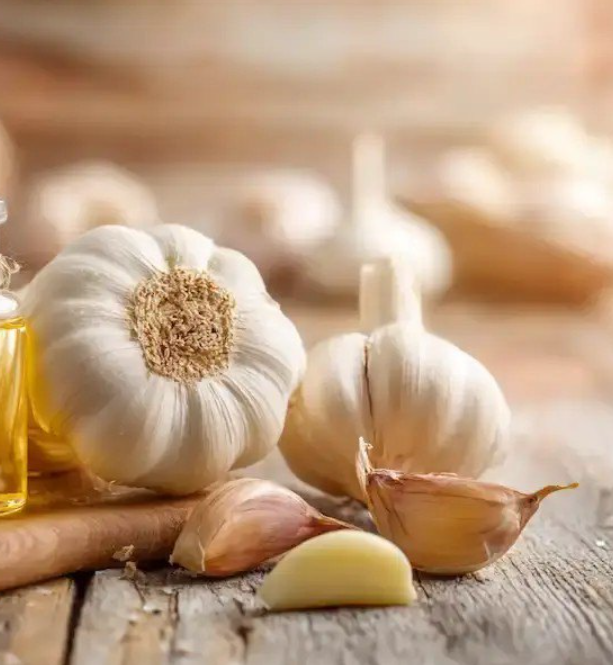
Once people become curious about garlic for ear health, the first practical question is almost always about preparation. In traditional home wellness, garlic is most commonly prepared as a gentle infused oil rather than used raw. This matters because the ear area is delicate, and strong ingredients are generally approached with caution. The goal of a traditional garlic oil preparation is to create a mild, thoughtful infusion that captures garlic’s natural character in a soothing carrier oil.
Olive oil is often the most popular base because it has a long history in home care and feels familiar to most households. Some people prefer sesame oil or another mild oil traditionally used in their culture, but olive oil remains a classic choice. The garlic should be fresh, clean, and free from spoilage. Many people use one or two cloves for a small batch, since infused oils are best prepared carefully and used with good hygiene in mind.
Preparation is not about rushing. It is about patience and gentleness. Garlic should never be aggressively overheated, burned, or left in conditions where freshness is uncertain. The quality of the routine often depends as much on cleanliness and care as it does on the ingredient itself. This is one reason garlic for ear health is often described not only as a remedy but as a ritual. The process invites a slower pace, and that pace encourages mindfulness.
👩🍳 Step-by-Step Garlic Oil Routine
🥄 Step 1: Gather clean, simple ingredients
Start with one or two fresh garlic cloves and a small amount of a mild carrier oil such as olive oil. Use a clean spoon, a small pan or heat-safe dish, and a clean glass container if you plan to strain and store the oil briefly. Freshness matters. If the garlic looks dry, moldy, or questionable, discard it and use a new clove.
🔥 Step 2: Crush the garlic gently
Lightly crush or chop the garlic to help release its natural compounds. There is no need to mash it into a paste. A gentle crush is enough. Letting it sit for a short time before infusing is a traditional habit some people follow because it allows the garlic’s aroma and active character to develop.
🫒 Step 3: Warm the oil very gently
Add the garlic to the oil and warm it on very low heat for a short time. The oil should become pleasantly warm, not hot or sizzling. Garlic should not brown. If it starts frying, the heat is too high. Some people prefer using a warm water bath to keep the process even gentler. The idea is infusion, not cooking.
🧴 Step 4: Strain the oil carefully
Once the garlic has infused the oil and the mixture has cooled to a comfortably warm or room-temperature level, strain out all garlic pieces. This step is important because small bits should not remain in any preparation meant for external ear-area use. The final oil should be smooth and clean.
🌡️ Step 5: Check the temperature before any use
Before applying any infused oil externally around ear care routines, always check the temperature on the inner wrist. It should feel barely warm or neutral, never hot. This simple habit helps protect delicate skin and makes the experience more comfortable.
🛌 Step 6: Use only in a cautious, comfort-focused way
Traditional users often apply garlic-infused oil in a conservative manner and keep the setting calm and relaxed. The person may lie on one side for a short period so the routine feels restful rather than hurried. Cleanliness, gentle handling, and awareness of the body’s response are essential throughout the process.
⏳ Step 7: Do not keep old homemade oil for long
Homemade infusions are best treated as fresh preparations. Because garlic and oil are natural ingredients, careful handling matters. Many people prefer making only a very small amount at a time rather than storing it for extended periods. A fresh batch feels cleaner, more intentional, and easier to manage safely.
🌞 Best Daily Routines That Support Ear Wellness
Garlic for ear health works best when it is viewed as one part of a wider self-care pattern. Ears are affected by many everyday habits, so a supportive routine can make a meaningful difference. Start with your environment. Very dry air, excessive moisture, and frequent exposure to irritants can all make the ear area feel less comfortable. Keeping your living space clean, reasonably humidified when needed, and free from unnecessary irritants may help support overall ear comfort.
Hydration also matters. People often underestimate how much general body balance affects comfort in the head, throat, and ear area. Drinking enough water and building meals around whole foods can help support seasonal resilience. Garlic can be part of this larger nutritional pattern too. Even if someone never uses garlic in an infused oil, incorporating garlic into soups, broths, vegetable dishes, and savory meals can help it become a regular part of a wellness-centered lifestyle.
Another smart daily habit is gentleness. Many ear issues become worse when people over-clean, poke, scratch, or expose the ear canal to unnecessary friction. The best ear wellness routines are usually the least aggressive ones. A person who values garlic for ear health often also values the broader principle of avoiding harsh habits. That mindset alone can be beneficial.
Rest should not be overlooked either. When the body is tired, run down, or overwhelmed by stress, even small discomforts can feel larger. A calm evening routine, warm meals, adequate sleep, and quiet recovery time often pair naturally with old-fashioned remedies like garlic. That is part of why these traditions endure. They do not just offer an ingredient. They invite a slower rhythm.
🥣 Additional Ways Garlic Supports a Wellness Lifestyle
One reason garlic remains so beloved is that its story does not end with ear care. It fits into a much bigger picture of natural living. Many people appreciate garlic because it can be enjoyed both as a culinary staple and as part of traditional home remedies. That dual role makes it feel efficient and grounded. A bulb of garlic in the kitchen is not a specialized product with one purpose. It is a versatile, everyday ingredient that supports the idea that wellness can begin at home.
Garlic also pairs beautifully with nourishing foods. It adds depth to soups, vegetable stews, grain bowls, warm dressings, and slow-cooked meals that people often gravitate toward during seasonal changes. These kinds of meals can create a broader sense of comfort and support, which may indirectly complement the sort of routines people build around ear wellness. In other words, garlic contributes not only through specific traditional uses but through the atmosphere of care it helps create.
There is also a psychological benefit to familiar natural ingredients. Many people feel calmer when their routines involve recognizable foods and herbs rather than a shelf full of mysterious products. Garlic speaks to that desire for trust and transparency. You know what it is, where it comes from, how it smells, how it tastes, and how it behaves. That familiarity can be deeply reassuring.
🏡 Lifestyle Tips That Go Well With Garlic for Ear Health
If garlic is going to be part of your ear wellness routine, it makes sense to support it with habits that create a more ear-friendly lifestyle overall. One of the best habits is protecting the ears from extremes. Avoid blasting very loud sound directly into the ears for long periods. Give your ears recovery time after noisy environments. Respecting the ear’s sensitivity is a foundational step that no remedy can replace.
Another helpful habit is taking extra care after showers, swimming, or heavy sweating. Many people do better when moisture is managed gently and the outer ear area is dried carefully without excessive rubbing or insertion of objects. Balance matters. Ears do not usually need harsh intervention, but they do benefit from thoughtful daily care.
Seasonal self-care also plays a role. During times of the year when stuffiness, environmental changes, or indoor air quality become more noticeable, it may help to focus on warm meals, steam from a shower, restful evenings, and wholesome nutrition. Garlic often fits naturally into these routines because it can be enjoyed in food while also being appreciated as part of traditional home care knowledge.
Stress management deserves a place in this conversation too. Tension often shapes how we experience discomfort. A person who is overtired, anxious, or overstimulated may notice every sensation more intensely. Building a calm environment, reducing unnecessary noise, and practicing simple restorative habits can make natural wellness routines feel more effective and more enjoyable.
⚠️ Common Mistakes People Should Avoid
One of the biggest mistakes people make with garlic for ear health is assuming that more is better. Garlic is potent. Its strength is part of its appeal, but that same strength calls for restraint. Raw garlic placed carelessly on delicate skin or used too aggressively can be irritating. Traditional remedies work best when they are prepared and used thoughtfully, not forcefully.
Another common mistake is using oil that is too hot. This can turn a soothing ritual into an unpleasant experience very quickly. Temperature should always be tested carefully before any external ear-area use. Even mildly warm preparations should feel safe and comfortable, never intense.
People also sometimes make the mistake of keeping homemade garlic oil too long. Freshness matters, and it is wiser to prepare small amounts than to keep an old batch sitting around. A clean routine is usually a better routine. Simplicity and caution go hand in hand here.
Over-cleaning the ears is another issue. Some people become so focused on ear care that they interfere with the body’s natural balance. Constant probing, swabbing, scraping, or experimenting with too many products can do more harm than good. Garlic for ear health is often most appealing to people who prefer gentler routines, and that principle should remain central.
Finally, one of the most important mistakes to avoid is using home remedies in situations that clearly call for professional attention. Persistent discomfort, significant pain, drainage, hearing changes, fever, dizziness, or signs of injury deserve qualified evaluation. Natural wellness should complement common sense, not replace it.
🛡️ Safety and Precautions
Garlic for ear health should always be approached carefully. The ear is delicate, and not every natural ingredient is appropriate in every situation. Garlic is best respected as a traditional wellness support, not as a guaranteed answer for every ear concern. If there is severe discomfort, visible injury, persistent symptoms, known sensitivity, or any uncertainty about what is going on, professional guidance is the safest path.
People with sensitive skin should be especially cautious because garlic can feel strong. It is generally wiser to avoid direct use of raw garlic on delicate areas. Infused preparations are usually considered gentler in traditional routines, but even then, moderation matters. Always prioritize cleanliness, temperature checks, and a conservative approach.
Children, anyone with a history of ear complications, and anyone with a suspected eardrum issue should not rely casually on home experimentation. The safest rule is simple: when in doubt, pause and seek expert advice. Natural self-care can be wonderful, but it works best when paired with respect for the body and its limits.
It is also wise to remember that not every ear sensation has the same cause. Fullness, pressure, sensitivity, congestion-related discomfort, and external irritation may feel similar to the person experiencing them, but they are not necessarily the same thing. That is one more reason a balanced attitude matters. Garlic can be appreciated as part of a wellness tradition without being asked to do too much.
❓ Frequently Asked Questions About Garlic for Ear Health
💬 1. Why is garlic often mentioned in ear health discussions?
Garlic is often mentioned because it has a long history in traditional home wellness and is widely respected for its natural plant compounds. Many families have used garlic-infused preparations as part of comfort-focused routines, which has helped keep the practice alive across generations.
💬 2. Is garlic for ear health a modern trend or an old remedy?
It is definitely an old remedy. Modern wellness culture has renewed interest in it, but garlic has been valued in household traditions for centuries. Its current popularity is really a rediscovery rather than a brand-new idea.
💬 3. What type of garlic preparation is most commonly discussed?
The most common preparation is garlic-infused oil made with a mild carrier oil such as olive oil. People usually discuss this form because it feels gentler and more practical than using raw garlic directly.
💬 4. Can garlic be part of a broader wellness routine even if I do not use it topically?
Yes. Many people include garlic in soups, broths, roasted vegetables, and other savory meals as part of a natural seasonal wellness lifestyle. Its value in traditional living extends beyond one specific use.
💬 5. What makes garlic so appealing compared with other home remedies?
Garlic is familiar, affordable, easy to find, and deeply rooted in traditional knowledge. People tend to trust ingredients they recognize, and garlic has one of the strongest reputations of any kitchen-based wellness staple.
💬 6. Should homemade garlic oil be stored for a long time?
It is usually better to prepare only a small, fresh amount rather than storing homemade garlic oil for extended periods. Freshness, cleanliness, and simplicity are important when dealing with delicate self-care routines.
💬 7. Can garlic replace professional advice for ear concerns?
No. Garlic is best viewed as a traditional supportive remedy within a sensible wellness lifestyle. It should not replace qualified evaluation when symptoms are persistent, severe, unusual, or worrying.
💬 8. Why do people combine garlic with warm oil?
Warm oil is often associated with a gentler, more soothing experience in traditional care. It can make the ritual feel calmer and more nurturing, while also helping garlic become part of an easily prepared household remedy.
🌟 Expert-Style Conclusion: Why Garlic for Ear Health Still Matters
Garlic for ear health has survived the rise and fall of countless wellness trends for one simple reason: it speaks to something timeless in human nature. People want remedies that feel close to home. They want ingredients they can recognize, traditions they can understand, and routines that invite them to slow down and listen to their bodies. Garlic offers all of that. It is not flashy, and that is part of its power. It feels real.
Its lasting popularity comes from a combination of history, practicality, and symbolic trust. Across cultures, garlic has represented strength, preparation, and natural care. In the context of ear wellness, that legacy continues through garlic-infused oils, warming routines, and the broader idea that comfort often begins with simple acts of attention. People do not return to garlic because it is exotic. They return to it because it feels dependable, meaningful, and rooted in experience.
At the same time, the modern approach to garlic should be balanced and informed. The wisest readers are not looking for exaggerated promises. They are looking for grounded ways to support well-being. Garlic can absolutely have a place in that kind of lifestyle, especially when used conservatively, hygienically, and alongside other sensible habits such as rest, hydration, nourishment, and gentle ear care. Its role is strongest when it is appreciated as a traditional ally rather than a miracle solution.
That balanced view is what makes garlic for ear health so compelling today. It sits at the intersection of old wisdom and modern caution. It honors the knowledge of previous generations while still leaving room for common sense and professional support when needed. In a noisy, fast-moving world, there is something refreshing about that. Garlic reminds us that wellness does not always begin with complexity. Sometimes it begins with a bulb in the kitchen, a calm evening, and the decision to care for ourselves with patience.
For readers building a natural lifestyle, garlic remains one of the most fascinating ingredients to explore. Its aroma is bold, its history is rich, and its place in home wellness is secure. Whether you are interested in garlic for ear health because of family tradition, curiosity about natural remedies, or a desire to create gentler self-care routines, the lesson is the same: the simplest ingredients often carry the deepest stories. And garlic, without question, is one of the most enduring stories in natural wellness.