🍵 How to Prepare Mullein Leaves for Everyday Use
Once people discover mullein, the next question comes naturally: how do you actually use the leaves in real life?
This is where mullein becomes even more appealing, because the answer is usually simple. Mullein is not the kind of plant that demands elaborate techniques or specialized equipment for every preparation. In most home settings, its charm lies in its practicality. The leaves are commonly dried, stored, and used in uncomplicated ways that fit easily into slower daily routines.
That simplicity is a major part of mullein’s lasting popularity.
In a world where wellness can become exhausting, mullein offers the opposite mood. It invites you to gather carefully, dry patiently, and prepare thoughtfully. It rewards ordinary attention. It works best when approached without drama.
The most common starting point is drying the leaves properly. Fresh mullein has a lot of texture and moisture, and while its soft feel is one of its most recognizable features, that same softness means it needs good airflow and clean handling during the drying process. People usually harvest healthy leaves, clean them carefully if needed, and dry them in a way that protects them from dampness and spoilage. Once dry, they become much easier to store and use throughout the year.
For many readers, this process is part of the attraction. Drying mullein feels like participating in a tradition rather than simply consuming a product. It transforms the plant from something growing in the landscape into something ready to join household ritual.
🌿 Drying Mullein Leaves Properly
Good drying begins with good harvesting. People usually select clean, healthy leaves and avoid damaged or overly aged ones. Tender but well-developed leaves are often preferred because they are easier to work with and tend to dry more evenly. After harvesting, the leaves are spread out or hung in a dry, airy space away from excess moisture.
Patience matters here. A rushed drying process can reduce quality and lead to disappointing results later. A careful one preserves the leaf’s character and makes storage much more successful.
Once the leaves are fully dried, they are generally kept in containers that protect them from light and humidity. Proper storage helps maintain their usefulness and makes it easy to reach for them when needed.
🍶 Making a Simple Mullein Leaf Infusion
One of the most common ways people use mullein leaves is by preparing them as a warm infusion. This is perhaps the most familiar household preparation and one of the reasons mullein remains so approachable. Dried leaf and hot water are enough to begin.
The ritual is simple but important. The leaves are steeped in hot water and allowed time to release their qualities into the liquid. Because mullein leaves are fuzzy, many people take care to strain the infusion thoroughly. This small detail matters and often separates a pleasant experience from a less enjoyable one. A well-strained preparation feels cleaner, smoother, and more aligned with the gentle reputation mullein carries.
This kind of warm infusion often becomes part of a calming daily routine, especially for people who enjoy the rhythm of herbal tea culture.
🌫️ Steam and Warm-Ritual Preparations
Some people also appreciate mullein leaves in preparations that involve warmth and aromatic ritual rather than only drinking an infusion. These practices vary by tradition and household style, but they reflect the same core idea: mullein is a plant often associated with comfort, softness, and the atmosphere of support.
Here, again, the appeal is not only functional. It is sensory. Warmth, stillness, a bowl or cup, rising herbal fragrance, and the presence of a familiar plant all create an experience that feels old and grounded. Mullein’s usefulness often lives as much in these rhythms as in any single method.
🪜 Step-by-Step Guide to Using Mullein Leaves at Home
The best way to make mullein part of daily life is to keep the process realistic. A plant can be wonderful and still end up forgotten if the routine feels too complicated. Mullein works best when it is woven naturally into simple habits.
Step 1: Start With Quality Leaves
Whether you grow, gather, or purchase mullein, the starting material matters. Leaves should be clean, well dried if intended for storage, and free from signs of poor handling. This seems obvious, but it shapes everything that follows. High-quality leaves make preparation easier and the overall experience more satisfying.
Step 2: Keep the Preparation Simple
Beginners sometimes overcomplicate herbal routines because they want to “do it right.” Mullein does not need to be dramatic to be meaningful. A basic infusion, properly prepared and strained, is already a strong and traditional place to begin. The goal is not to impress yourself with complexity. The goal is to build familiarity.
Step 3: Pay Attention to Straining
This is one of the practical details most often mentioned with mullein leaves, and for good reason. Because the leaves are fuzzy, careful straining is part of good preparation. People often use a fine filter or another method that catches the small plant hairs and leaves the final liquid more pleasant.
This tiny act reflects a larger truth: thoughtful herbal practice lives in details.
Step 4: Build a Calm Routine Around It
Mullein belongs most naturally in routines that are not rushed. A quiet moment in the morning, a pause in the afternoon, or a soothing evening ritual all suit the plant’s character better than frantic multitasking. Even if the preparation itself is simple, the way you use it changes the experience. Mullein feels most at home in calm spaces.
Step 5: Stay Consistent Rather Than Extreme
Natural plant routines rarely become meaningful through intensity. They become meaningful through repetition. Mullein is best appreciated steadily, not dramatically. Instead of expecting one preparation to change everything, allow the plant to become part of a larger lifestyle of gentle, grounded habits.
🕒 Best Daily Routines for Mullein Leaves
Mullein works especially well when it is attached to a part of the day that already invites calm. Many people enjoy it in the evening, when the day begins to soften and herbal routines feel especially welcome. Others prefer it earlier, using the act of preparation as a way to begin the morning with intention rather than haste.
There is no single perfect schedule, and that flexibility is part of mullein’s strength. What matters more is finding a rhythm that feels natural enough to continue. A plant routine only becomes valuable when it fits a real life.
Some people create a simple shelf or corner for herbal basics and keep mullein there alongside other favorite dried plants. This visual presence helps. When the plant is easy to see and easy to prepare, it is much more likely to become part of the household pattern.
Others combine mullein with journaling, reading, quiet stretches, or simply a few minutes away from screens. This pairing deepens the ritual. The plant then becomes associated not only with itself, but with an atmosphere of slowness and attention.
That may sound small, but these kinds of rituals often end up being the most lasting.
🌟 Additional Uses of Mullein Leaves People Often Appreciate
One reason mullein remains beloved is that people do not view it as limited to one rigid use. Even when a warm infusion is the most common introduction, the leaves often become part of a broader home herbal appreciation. Some value them simply as an herb to keep dried and ready in the household. Others appreciate them in seasonal plant blends. Some like them as part of traditional steam-style rituals. Others enjoy learning about the plant, growing it, or using it as a bridge into deeper herbal study.
This range of appreciation is important because it shows that mullein is not just consumed—it is related to. People form a kind of companionship with it. They recognize it in the landscape, learn its cycle, understand its drying needs, and gradually make room for it in their personal plant vocabulary.
That kind of relationship is often what keeps a plant meaningful for years.
Mullein also has aesthetic value in the home herbal world. Dried leaves, handwritten labels, apothecary jars, and seasonal preparations all contribute to a sense that the household is participating in something older and calmer. Even readers who begin out of pure curiosity often find themselves drawn into this broader atmosphere.
🌿 Lifestyle Tips That Pair Beautifully With Mullein
Mullein leaves make the most sense when they are part of a lifestyle that values slowness, observation, and basic consistency. This is not a plant that thrives emotionally in a frantic self-optimization mindset. It belongs to rhythms that leave some room for tea, for fresh air, for noticing the seasons, and for treating wellness as daily stewardship rather than emergency repair.
A simple home herbal routine often works best alongside other grounding habits. Drinking enough water, keeping a calm evening ritual, reducing chaos around meals and sleep, spending time outdoors, and staying curious about plants all create a better context for mullein. The plant does not need to carry everything. It shines more when it becomes one thread in a wider pattern of thoughtful living.
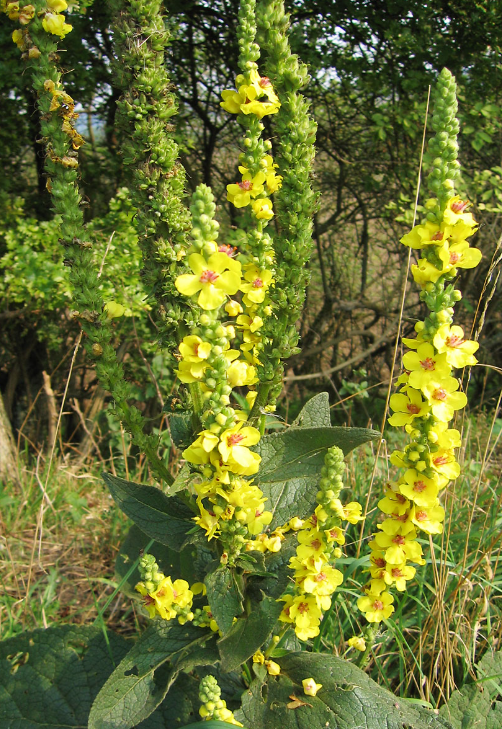
Gardeners often find that growing mullein or observing it through the seasons deepens their connection to it. Watching the rosette form, the leaves expand, and the tall flowering stalk rise changes the plant from an ingredient into a presence. That shift in perception can make every later preparation feel more meaningful.
And for those who do not grow it themselves, even learning to recognize mullein in the landscape can create a similar effect. Familiarity changes use. The more a person knows a plant in its living form, the more respect and care they usually bring to preparing it.
⚠️ Common Mistakes People Make With Mullein Leaves
1. Rushing the Drying Process
Because mullein leaves are soft and hold moisture, poor drying is one of the easiest ways to ruin the experience. If leaves are not dried thoroughly and carefully, quality suffers. A plant with such a beautiful traditional reputation deserves better than a rushed shortcut.
2. Forgetting to Strain Thoroughly
This is the classic beginner mistake with mullein. The fine fuzz that makes the leaves distinctive also means that careful straining is important in infusion-style preparations. Skipping this step can make the final result far less pleasant than it should be.
3. Expecting Instant Drama
Mullein is a quiet plant. People sometimes approach traditional herbs with exaggerated expectations, hoping for immediate, dramatic results from one cup or one ritual. That mindset works against the plant’s character. Mullein is better appreciated as a steady companion than a dramatic event.
4. Treating Tradition Like a Shortcut
The fact that a plant has a long history does not mean it should be used carelessly. Tradition is not permission to stop paying attention. On the contrary, respected plants deserve more attentiveness, not less. Proper handling, moderation, and thoughtful learning matter.
5. Using Poor-Quality Plant Material
Old, poorly stored, or low-quality mullein leaves can flatten the experience and make the plant seem less impressive than it really is. Good herbal practice begins with good material. That principle is simple but essential.
🛑 Safety and Precautions
Mullein leaves are often appreciated in traditional plant routines, but a balanced approach is always the best one. Thoughtful use begins with accurate plant identification, clean harvesting or reliable sourcing, and careful preparation. If using mullein in an infusion, thorough straining is a practical precaution many experienced users consider important because of the leaf’s fine fuzz.
As with any plant, moderation matters. More is not automatically better, and home herbal practices work best when they are steady, sensible, and attentive rather than extreme. Anyone with plant sensitivities, allergies, or individual health concerns should use extra care when trying unfamiliar herbs. People who are pregnant, nursing, or following personalized medical advice should seek appropriate guidance before introducing new herbal habits.
The safest herbal learning is calm herbal learning.
❓ Frequently Asked Questions About Mullein Leaves
1. What are mullein leaves most commonly used for?
Mullein leaves are most commonly associated with traditional herbal preparations such as warm infusions and other gentle home herbal routines. Many people appreciate them because they are easy to dry, store, and include in simple plant-based rituals.
2. Can beginners work with mullein leaves easily?
Yes, many people find mullein approachable because it is a distinctive plant with a long tradition of straightforward preparation. Its reputation for gentleness and its simple use in dried-leaf infusions make it especially appealing to beginners.
3. Why is straining mullein so important?
The leaves are covered in fine fuzz, and many users prefer to strain preparations carefully to create a cleaner, smoother final result. This is one of the most commonly repeated practical tips in mullein use.
4. Is mullein only useful as a tea?
No. While infusion-style preparation is one of the best-known ways to use mullein leaves, people also value the plant in a broader range of traditional home herbal practices and seasonal routines.
5. Can I grow mullein myself?
Many people do grow mullein or learn to recognize it in the landscape. Its distinctive leaves and tall flowering habit make it an especially memorable plant for herb gardens, wild corners, and traditional plant study.
6. What makes mullein so popular in natural-living circles?
Its popularity comes from a combination of traits: strong traditional roots, easy recognition, gentle reputation, practical preparation, beautiful appearance, and a sense that it belongs to older, slower forms of plant knowledge.
7. Are fresh or dried mullein leaves better?
Dried leaves are often preferred for regular household use because they store well and are easy to prepare when needed. Drying also makes mullein more practical to keep on hand throughout the year.
8. Why do people feel so connected to this plant?
Mullein seems to inspire affection because it combines beauty, softness, usefulness, and heritage. It feels like more than an ingredient. It feels like a plant with personality and history.
🏁 Final Thoughts: Why Mullein Leaves Still Matter
Mullein leaves are remarkable not because they shout for attention, but because they never needed to.
They have stayed in people’s hands, gardens, fields, and memory for a very long time. That alone says something important. In a world where so much wellness advice is loud, fast, and endlessly replaced, mullein offers another model entirely. It offers continuity. Softness. Practicality. A sense that what is useful can also be simple, and what is simple can still be deeply respected.
That is the real beauty of mullein.
It is a plant that invites people to slow down and learn. To notice. To gather carefully. To dry properly. To prepare thoughtfully. To appreciate the details, like straining well or storing leaves correctly. It rewards patience more than intensity. And in doing so, it teaches one of the most valuable lessons in plant-based living: meaningful routines are usually built from gentle consistency, not dramatic extremes.
When people search for the remarkable benefits and uses of mullein leaves, what they often discover is larger than one plant. They discover a whole style of relationship with nature. One that values observation over hype, tradition over trend-chasing, and steady household ritual over constant novelty. Mullein becomes a symbol of that return.
It is also a reminder that some of the most memorable plants are not necessarily rare. They are simply overlooked until someone points them out with care. A soft gray-green leaf by the roadside. A tall stalk in summer. A jar of dried leaves on a shelf. A warm cup made with patience. A plant that seems humble until you realize how many generations thought otherwise.
That realization changes things.
It changes how you see the plant.
It changes how you see tradition.
And perhaps, in a small way, it changes how you see wellness itself.
Not as something to chase desperately.
But as something to cultivate quietly.
One leaf, one ritual, one season at a time.