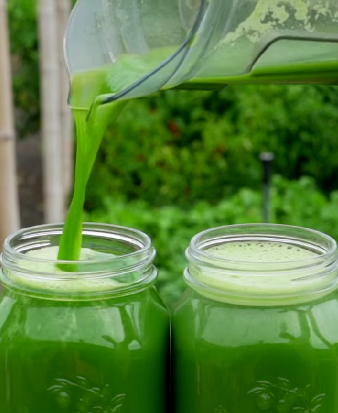
🛠️ How to Make Anti-Inflammatory Liquid Gold (Green Juice) Correctly
A good green juice should taste fresh, balanced, and bright. It should not feel like punishment. It should not be so bitter that you never want to make it again. And it should not rely on so much fruit that it stops feeling like a true green juice.
The secret is balance.
You want enough greens and herbs to make the drink feel purposeful, enough water-rich vegetables to keep it light and refreshing, and enough lemon or ginger to give it character. A little green apple can help if you want the juice to be more beginner-friendly, but the fruit should support the greens, not overpower them.
Here is a practical recipe that works well for many people.
🥤 Simple Liquid Gold Green Juice Recipe
1 cucumber
2 celery stalks
1 large handful spinach
1 small handful parsley
A few mint leaves
Juice of 1 lemon
1 small piece fresh ginger
A small piece fresh turmeric, optional
1/2 green apple, optional
1/2 to 1 cup cold water, depending on method
If you have a juicer, run the cucumber, celery, spinach, parsley, mint, ginger, turmeric, and apple through it, then stir in the lemon juice at the end.
If you have a blender, chop everything first, add the water, and blend until smooth. Then strain through a fine mesh sieve or nut milk bag if you prefer a more juice-like texture. If you enjoy a fuller blended drink, you can skip straining and keep the fiber-rich version.
Either way, the lemon usually goes in after blending or juicing so the flavor stays bright.
👨🍳 Step-by-Step Preparation
Wash all ingredients thoroughly. Because green juice uses fresh produce, cleanliness matters.
Peel the lemon if you are blending the whole lemon flesh, or simply juice it separately.
Slice the cucumber and celery into smaller pieces if needed.
Roughly chop the spinach, parsley, and mint.
Peel the ginger and turmeric if you prefer a smoother finish, though some people simply wash them very well and use them with the skin.
Blend or juice the ingredients.
Taste before serving. If the juice feels too strong, add more cucumber or a little more water. If it feels flat, add a little more lemon. If it feels too sharp, the small amount of apple can soften it.
Serve cold.
That is the drink many people mean when they talk about anti-inflammatory liquid gold.
✅ How to Make It Taste Better Without Losing the Wellness Value
One reason people give up on green juice is that they make it too aggressive from the beginning. They load it with bitter greens, skip citrus, and create something so intense it feels like a dare rather than a habit.
A few small choices make a huge difference.
Use cucumber generously. It creates a cleaner, cooler base.
Never skip the lemon. Lemon is what makes the whole drink come alive.
Keep the ginger modest at first. Too much can overpower everything.
Use spinach if you are new to greens. Kale is fine too, but spinach is often easier.
Add a little mint if you want the juice to feel more refreshing.
Use only a small amount of apple if needed. Enough to soften the taste, not enough to turn it into fruit juice.
The most effective green juice is the one you will happily make again.
⏰ Best Time to Drink Green Juice
Many people prefer green juice in the morning because it feels like a clean and energizing way to begin the day. It fits especially well into a morning routine built around hydration, lighter eating, and a sense of starting fresh.
Others enjoy it in the late morning or afternoon as a refreshing plant-based drink instead of reaching for sugary beverages or processed snacks.
It can also work well after periods of heavier eating, when people want something light and fresh that encourages them back into healthier rhythms.
What matters most is consistency and context. Green juice is usually most useful when it complements an overall pattern of supportive eating rather than trying to rescue a whole day of poor habits on its own.
📋 A Simple Daily Routine That Makes Green Juice More Effective
Green juice works best when it is part of a broader supportive pattern.
🌅 Morning
Start with water first. Then, if green juice fits your routine, drink it within the first part of the morning. Let it be a gentle beginning rather than a rushed health task.
🥗 Midday Meals
Build lunch and dinner around real foods too. Green juice does not replace vegetables at meals. It adds to a plant-rich pattern.
🚶 Movement
A fresh juice feels even better when paired with movement. Walking, stretching, and general daily activity help support the sense of lightness many people are seeking.
💧 Hydration
Do not let green juice replace plain water. It is part of your fluid intake, but your body still needs steady water throughout the day.
This matters because the best results usually come from the whole lifestyle, not the drink in isolation.
🌟 Additional Variations You Can Try
Once you are comfortable with the basic recipe, small variations can keep the habit interesting.
Add a little romaine for a lighter green flavor.
Swap parsley for cilantro if you enjoy it.
Use lime instead of lemon for a sharper citrus note.
Add a few basil leaves for an aromatic twist.
Use coconut water instead of plain water occasionally if you want a softer tropical touch.
Include a tiny slice of fresh pineapple once in a while if you want a brighter, sweeter variation without losing the green identity entirely.
The key is to keep the structure the same: mostly greens and watery vegetables, supported by citrus and herbs.
🍽️ What Green Juice Should Not Replace
Green juice is a supportive addition, not a substitute for normal eating.
It should not replace whole vegetables entirely. Eating vegetables still matters because the experience of chewing, the fuller fiber structure, and the variety of meals all contribute to good nutrition and satisfaction.
It should not replace meals for most people on a regular basis. A juice can accompany a healthy routine, but it is not a long-term stand-in for balanced eating.
It also should not replace medical attention when someone has ongoing symptoms or major health concerns. The drink can support healthier living, but it is not a treatment plan.
Thinking about green juice this way keeps it helpful and realistic.
⚠️ Common Mistakes People Make With Green Juice
Green juice works well when it is simple and balanced. It becomes less useful when people make these common errors.
Mistake 1: Adding too much fruit
A little green apple is fine, but when the juice becomes mostly fruit, it loses the crisp green profile that makes it feel fresh and light.
Mistake 2: Making it far too bitter
Too many strong greens without enough cucumber or lemon can make the juice so intense that the habit dies quickly.
Mistake 3: Using poor-quality produce
Wilted herbs and tired vegetables create dull juice. Fresh ingredients make a huge difference.
Mistake 4: Expecting dramatic overnight results
Green juice can support a healthier routine, but it is not a miracle in a glass. The benefits usually come through consistency and the broader lifestyle around it.
Mistake 5: Thinking juice cancels out everything else
A green juice does not erase poor sleep, chronic dehydration, no movement, and ultra-processed meals. It works best as part of a bigger pattern of care.
Mistake 6: Making giant batches that sit too long
Fresh juice is usually best soon after making it. Smaller, fresher batches preserve the refreshing quality that makes the habit appealing.
🛡️ Safety and Practical Precautions
Green juice is generally a simple food-based habit, but a few sensible notes matter.
If you are sensitive to certain ingredients like ginger, parsley, celery, or raw greens, adjust the recipe to fit your tolerance.
If you have dietary restrictions or a health condition that requires monitoring specific foods, it is wise to think about ingredient choices carefully rather than blindly following trendy recipes.
Wash produce well. Fresh juice relies on raw ingredients, so food safety matters.
And keep expectations realistic. A green juice may help support freshness, hydration, plant intake, and better habits, but it is not a cure for inflammatory diseases or a replacement for proper care when symptoms are serious or ongoing.
That balanced mindset is what keeps the routine useful instead of exaggerated.
❓ Frequently Asked Questions
1. Why is green juice called liquid gold?
Usually because it feels valuable, fresh, and energizing, especially when ingredients like lemon, ginger, and turmeric give it a glowing green-gold color.
2. Can I drink green juice every day?
Many people can enjoy it regularly as part of a balanced diet, especially when it is made from ordinary fresh ingredients and used in moderation.
3. Is blending better than juicing?
They are different. Juicing gives a lighter, clearer drink. Blending keeps more of the fiber. Many people enjoy either method depending on preference.
4. Do I need turmeric?
No. Turmeric is optional. It adds a warm earthy note and helps create that “liquid gold” identity, but the juice can still be excellent without it.
5. Can I make it without apple?
Yes. The apple is only there to soften the flavor. If you like a more vegetable-forward juice, you can skip it.
6. How long can I store it?
Fresh is usually best, but if needed, a short refrigerated storage period in a tightly closed container works better than leaving it out. Smaller fresh batches are ideal.
7. Will green juice fix inflammation?
It is better to think of it as part of a plant-rich, supportive eating pattern rather than a fix. It may complement a healthier lifestyle, but it is not a medical treatment.
8. What is the easiest beginner version?
Cucumber, celery, spinach, lemon, and a little ginger is a very friendly place to start.
🏁 Final Thoughts: Why This Glass of Green Keeps Earning Its Reputation
Anti-inflammatory liquid gold is a dramatic name, but the real beauty of the drink is not in the drama.
It is in the simplicity.
A cucumber.
A handful of greens.
A little lemon.
Fresh herbs.
A touch of ginger.
A glass filled with something that looks alive and makes the body feel remembered.
That is the real power of green juice.
Not that it performs miracles.
But that it makes one healthy act feel immediate, refreshing, and easy to repeat.
It is the kind of habit that can quietly change the tone of a day. It can help someone move from neglect to intention, from processed choices to fresh ones, from heaviness to lightness. It can become the first step in a larger pattern of care without demanding perfection.
And maybe that is why people keep coming back to it.
Because in a world full of wellness noise, green juice still manages to feel clear.
Clear in color.
Clear in purpose.
Clear in the message it sends: your body may not need something extreme today. It may just need something fresh, alive, and deeply supportive.
A simple glass of green can be that reminder.
And when it becomes part of your daily rhythm, it can start to feel exactly like its nickname suggests—
liquid gold.