🍯 How to Prepare Papaya Flowers Soaked in Honey at Home
One of the most beautiful things about papaya flowers soaked in honey is how accessible the preparation can be. It does not require specialized equipment, rare ingredients, or a complicated herbal background. What it does require is care. Because this remedy uses fresh plant material and a natural preserving ingredient, the quality of your method matters. Cleanliness, patience, and moderation are what turn this from an interesting idea into a practical kitchen remedy that feels safe and worth repeating.
The goal is simple: preserve the flowers in honey so that the honey gradually absorbs their botanical character while the flowers soften and mellow over time. Some people think of it as an infusion, others as a preserve, and others as a household tonic. All of those descriptions are useful. In everyday practice, it becomes a jar you can open when you want a small spoonful of support.
🌺 Choosing the Best Papaya Flowers
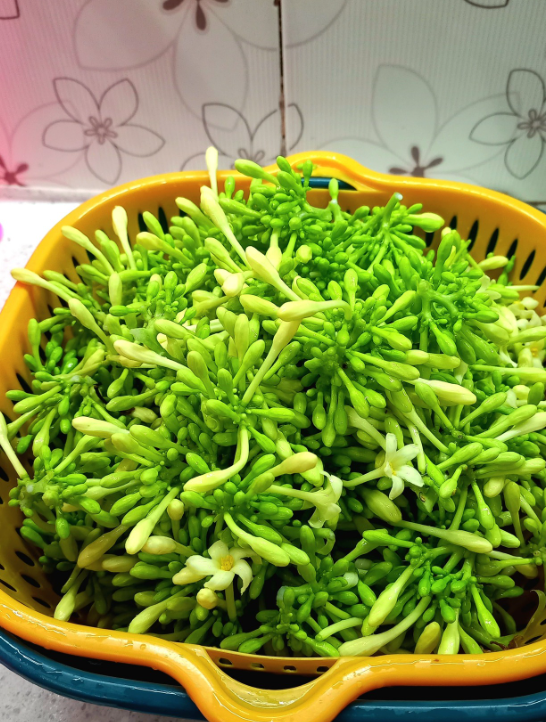
Start with flowers from a healthy papaya tree that has not been heavily treated with harsh chemicals. Freshness matters. The flowers should look clean, intact, and free from mold, rot, or obvious pest damage. Because papaya flowers can be naturally bitter, some people prefer younger, more tender blossoms. Others use mature flowers and rely on honey to soften the taste over time. There is room for both approaches, but the flowers should always be fresh and carefully handled.
After harvesting or purchasing them, inspect them closely. Remove stems that feel too tough, discolored parts, and any debris trapped among the petals. Then wash them gently but thoroughly in clean water. Let them drain well and dry on a clean cloth or paper towel. This step matters more than many beginners realize. Excess moisture can affect the quality of the infusion, so the flowers should be clean but not dripping wet when they go into the jar.
🍯 Choosing the Right Honey
Raw honey is often preferred for this remedy because it retains more of its natural character. A good honey should smell floral and rich rather than flat or overly processed. The exact flavor profile is less important than overall quality. Since the honey becomes both the preserving medium and part of the remedy itself, it is worth choosing one you genuinely enjoy eating by the spoonful.
Very thin honey may work, but a thicker honey often feels more satisfying in this preparation because it coats the flowers well and creates a deeper, spoonable texture. Avoid honey that has obvious signs of fermentation or poor storage. Your honey does not have to be luxurious or rare, but it should be clean, natural, and pleasant enough that you would willingly use it in a daily routine.
📝 Step-by-Step Recipe for Papaya Flowers Soaked in Honey
Step 1: Gather Your Ingredients and Tools
You will need fresh papaya flowers, raw honey, and a clean glass jar with a tight-fitting lid. It is helpful to sterilize the jar by washing it thoroughly in hot water and allowing it to dry completely. A dry jar is important because too much extra moisture may shorten the quality of the remedy.
Step 2: Prepare the Flowers Carefully
Once the flowers are washed and dried, you can leave them whole or chop them lightly if they are large. Leaving them whole creates a rustic, beautiful jar and allows slower infusion. Chopping them slightly can help the honey draw out more flavor more quickly. Both methods work, so choose the one that feels easiest.
Step 3: Fill the Jar in Layers
Place a layer of papaya flowers into the bottom of the jar. Add enough honey to coat that layer fully. Continue layering flowers and honey until the jar is almost full. Try to press the flowers down gently with a clean spoon so they are submerged as much as possible. The goal is to reduce air pockets and ensure the flowers are embraced by the honey.
Step 4: Seal and Rest
Close the jar tightly and store it in a cool, dry place away from direct sunlight. Some people prefer refrigeration, while others keep it in a cupboard if the environment is stable and not too warm. The flavor begins developing fairly quickly, but many people let the mixture infuse for several days to a couple of weeks before using it regularly. During this resting time, the honey gradually loosens, the bitterness softens, and the preparation starts to feel unified rather than separate.
Step 5: Stir or Turn Gently if Needed
If the flowers float upward, you can gently stir the jar with a clean spoon or turn the sealed jar upside down briefly from time to time to help redistribute the honey. Always return it to an upright position afterward. Clean handling matters every time the jar is opened.
Step 6: Begin Using Modestly
Once the flavor has mellowed and the flowers look infused, begin with a small amount. A teaspoon is often enough for many people. The point of this remedy is not quantity. It is consistency and gentle support.
🥄 How to Use Papaya Flowers Soaked in Honey
There are several enjoyable ways to use this remedy, which is one reason it fits so well into modern life. The simplest method is to take a small spoonful directly from the jar. This preserves the ritual feeling of the remedy and highlights its floral, bittersweet character. Many people prefer this approach in the morning or during times when the throat feels dry or the body feels in need of something soothing.
Another common method is stirring a spoonful into warm water. This creates a gentle tonic that feels especially comforting during cool mornings or after meals. The water should be warm rather than very hot, especially if you want to preserve as much of the honey’s natural character as possible. Warm water transforms the remedy into something almost tea-like, making it ideal for slow sipping.
You can also add a little of the infused honey to herbal tea, drizzle it over plain yogurt, or stir it into a mild breakfast bowl where its bitterness becomes part of a more complex flavor profile. Some people even pair it with lemon or ginger in warm drinks when they want a brighter, more invigorating experience. The beauty of papaya flowers soaked in honey is that it can be medicinal in mood without feeling separate from food.
⏰ Best Daily Routines for This Natural Remedy
Morning Routine
A small spoonful in the morning is a popular choice because it feels like a daily tonic. Taken before or after breakfast, it can become part of a slower, more intentional start to the day. People who enjoy food-based wellness rituals often appreciate how it helps create the feeling that the day is beginning with care rather than hurry.
After-Meal Routine
Because papaya flowers are often associated with digestive support, another excellent time to use the remedy is after lunch or dinner. A little infused honey in warm water can feel especially welcome after a heavy meal or during times when digestion seems sluggish. This use also fits traditional practice beautifully.
Seasonal Comfort Routine
During cooler weather or seasonal transitions, many people turn to the remedy more intentionally for respiratory comfort and general warmth. A spoonful on its own or in a warm drink becomes less about routine and more about gentle support during times when the body feels under extra pressure from climate or seasonal stress.
🌟 Additional Benefits Beyond the Main Seven
Although papaya flowers soaked in honey are often discussed in terms of digestion, respiratory comfort, blood sugar awareness, and skin appearance, the remedy may offer other practical lifestyle benefits as well. One of them is appetite support. Bitter-floral plant preparations have long been associated in traditional systems with helping people reconnect to a natural rhythm of hunger and fullness. A small spoonful before or after meals can create a more mindful relationship with eating.
Another overlooked benefit is that the remedy encourages lower reliance on processed syrups and heavily sweetened products when someone wants a soothing spoonful for the throat or a little sweetness in a warm drink. This does not make it sugar-free, of course, but it does make it more intentional. The flavor is deeper, more botanical, and often self-limiting. People tend to use it thoughtfully rather than mindlessly.
There is also a preservation benefit. In regions where papaya flowers appear seasonally, soaking them in honey turns a fleeting ingredient into a longer-lasting pantry item. This supports a more sustainable, waste-conscious relationship with the papaya tree as a whole. That kind of plant respect is part of why traditional remedies often feel wiser than they first appear.
🥗 Lifestyle Tips That Help This Remedy Work Better
Papaya flowers soaked in honey work best when they are part of a broader wellness pattern rather than an isolated act. Try to use them within a lifestyle that already supports digestion, hydration, and immune resilience. Eat balanced meals with enough fiber and protein. Drink water regularly. Get adequate rest. Spend time outdoors when possible. Reduce the habit of turning to ultra-processed foods as your first line of comfort. Natural remedies tend to shine when they reinforce healthier rhythms that are already forming.
It also helps to keep your expectations calm and grounded. This is not an extreme intervention. It is a traditional tonic. Its value lies in steadiness. A person who uses a teaspoon consistently, enjoys it in warm water, and pairs it with sensible habits may appreciate the remedy far more than someone who expects dramatic results after one day. The quieter the remedy, the more patience it often requires.
If you enjoy keeping a wellness journal, this is the kind of remedy that responds well to observation. Notice how you feel after using it for a few weeks. Does it fit better in the morning or after meals? Do you prefer it on its own or in a warm drink? Does it feel most useful seasonally or year-round? Those observations matter because traditional wellness is often personal rather than generic.
⚠️ Common Mistakes People Make With Papaya Flowers Soaked in Honey
Using Wet Flowers in the Jar
One of the easiest ways to reduce the quality of the preparation is to put in flowers that are still very wet from washing. Moisture is not always disastrous, but too much of it can alter the texture and freshness of the honey over time. Clean and well-dried flowers are the safer choice.
Choosing Poor-Quality Honey
If the honey is overly processed, flat-tasting, or of uncertain quality, the final remedy will feel less satisfying. Since honey is a central part of the preparation, it makes sense to choose one that is natural and pleasant enough to enjoy daily.
Taking Too Much
Because the remedy is natural, some people assume larger amounts must be better. Usually, that is not the case. Traditional tonics are often designed for modest use. A small spoonful taken consistently is typically more sensible than large amounts taken impulsively.
Expecting It to Replace Medical Care
This is an important mistake to avoid. Papaya flowers soaked in honey can be a supportive traditional remedy, but they are not a replacement for professional medical advice, diagnosis, or treatment. They belong in the category of gentle support, not dramatic cure.
Ignoring Individual Sensitivity
Even natural ingredients do not suit everyone equally. If the bitterness feels too strong, if the honey is not appropriate for your needs, or if your body reacts poorly, it is wise to stop and reassess rather than force the routine.
🛡️ Safety and Precautions
Papaya flowers soaked in honey are generally best approached as a small food-based remedy rather than a heavily concentrated herbal product. That mindset encourages moderation and reduces the temptation to overuse it. People with health conditions, food sensitivities, or medically prescribed diets should be especially thoughtful. Honey is still a form of sugar, so portion awareness matters. The flowers themselves are botanical materials and may not be suitable for everyone in every context.
It is also important to use clean preparation methods. Wash the flowers well, use a thoroughly cleaned jar, and handle the mixture with a clean spoon each time you open it. If the smell, taste, or appearance of the preparation seems off, do not continue using it. Pregnant individuals, people taking medications, and those with existing medical concerns should speak with a qualified professional before adopting herbal-style remedies regularly. Honey should not be given to infants under one year of age.
AdSense-safe wellness writing also requires realism: this remedy may support general wellness, but it should not be presented as a cure for disease. It belongs alongside common sense, moderation, and professional care when needed.
❓ Frequently Asked Questions About Papaya Flowers Soaked in Honey
1. What do papaya flowers soaked in honey taste like?
The flavor is usually bittersweet, floral, and slightly earthy. The honey softens the natural bitterness of the flowers, making the remedy much easier to enjoy than raw blossoms alone.
2. How long should I let the flowers soak in honey before using them?
Many people begin after several days, but allowing the mixture to infuse for one to two weeks often produces a deeper, more balanced flavor. The exact timing depends on the flowers, the honey, and your taste preference.
3. Can I take papaya flowers soaked in honey every day?
Some people use small amounts daily as part of a wellness routine. The key is moderation. A little taken consistently is usually a more sensible approach than frequent large servings.
4. Is this remedy only for respiratory support?
No. While it is often associated with throat and respiratory comfort, people also use it in routines focused on digestion, seasonal resilience, skin support, and general traditional wellness.
5. Can I use dried papaya flowers instead of fresh ones?
Yes, dried flowers may be used if fresh ones are unavailable, though the flavor and texture will differ. If using dried flowers, make sure they are clean, food-grade, and properly stored before infusing them in honey.
6. Should I refrigerate the jar?
Some people prefer refrigeration, especially in warm climates. Others store the jar in a cool, dry cupboard. Clean preparation and low moisture are key either way. If you are unsure, refrigeration can add peace of mind.
7. Can I add ginger or lemon to the mixture?
Yes, some people customize the remedy with thin slices of ginger or a little lemon added at the time of use. Ginger pairs especially well with the honey and floral bitterness. Lemon is often better added fresh to warm water rather than preserved directly in the jar.
8. Are papaya flowers soaked in honey suitable for everyone?
Not necessarily. People with certain health conditions, allergies, or dietary restrictions should be cautious. It is always wise to consider personal circumstances and seek guidance when needed.
🏁 Final Thoughts: Why This Traditional Remedy Still Matters
There is a reason forgotten remedies keep returning. They return because people get tired of noise. They get tired of exaggerated promises, complicated labels, and wellness routines that feel disconnected from ordinary life. Papaya flowers soaked in honey offer the opposite experience. They are simple, plant-based, rooted in tradition, and gentle enough to feel like part of the home rather than part of a trend cycle.
What makes this remedy special is not that it tries to do everything. It is that it does a few things beautifully. It preserves a seasonal flower in a way that is practical and pleasurable. It turns bitterness into balance through the richness of honey. It creates a spoonful that can support respiratory comfort, digestive ease, antioxidant intake, and a more mindful relationship with everyday wellness. It also reminds us that many of the best remedies are not invented. They are inherited, adapted, and kept alive because they continue to make sense.
In a modern kitchen, a jar of papaya flowers soaked in honey can mean several things at once. It can be a digestive tonic after meals. It can be a soothing addition to warm water during cooler seasons. It can be a small beauty ritual rooted in nourishment from within. It can be a way of honoring a plant more fully instead of focusing only on its most marketable part. It can even be a conversation between generations, linking current curiosity with older forms of care.
That is why this remedy remains compelling. It is not just about papaya flowers. It is about the philosophy behind them. Use what the plant offers. Preserve it wisely. Take it in moderation. Trust routine more than hype. Let food and herbal traditions overlap naturally. Respect both science and tradition without forcing either to do more than it can honestly support.
If you are drawn to natural wellness approaches that feel grounded, papaya flowers soaked in honey are worth exploring with care. They may not be as famous as the fruit, but perhaps that is part of their charm. Hidden gems often stay hidden because they do not shout. They simply keep working quietly in the background, waiting for someone curious enough to notice.
And once you do notice, the papaya tree stops looking ordinary. Its blossoms become more than decoration. They become a reminder that nature often hides its most interesting gifts in the places we forget to look.