🍳 How to Prepare Nopal Cactus So It Actually Tastes Good
The biggest barrier between curiosity and consistency with nopal cactus is preparation. Many people are interested in trying it, but they hesitate because they are unsure how to clean it, what to do with the texture, or how to cook it without turning the experience into a frustrating kitchen experiment. The good news is that nopal is much simpler than it first appears. Once you understand the basics, it becomes one of the most practical vegetables in a whole-food kitchen.
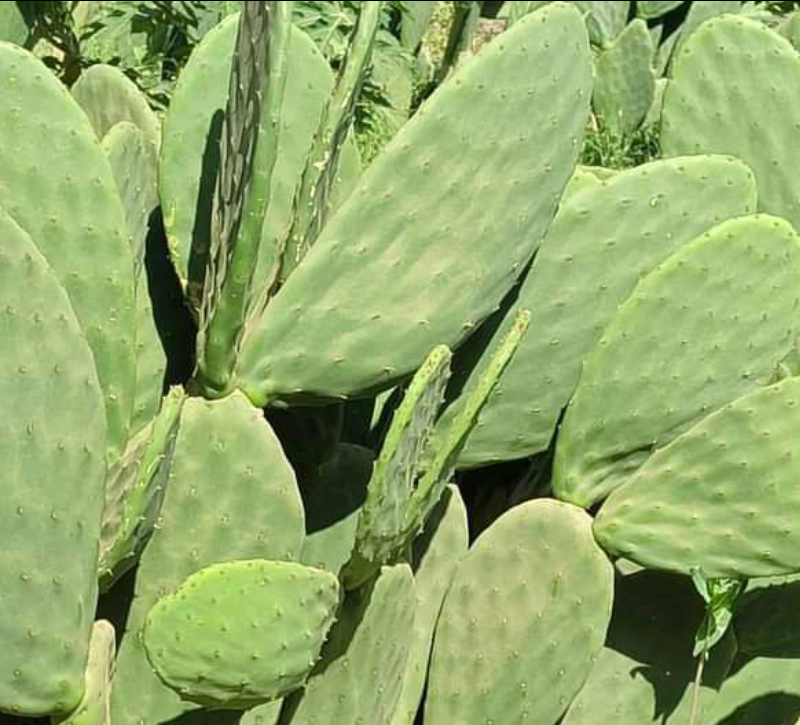
The first step is choosing the right nopal pads. If you are buying them fresh, look for pads that are firm, bright green, and not too thick or overly scarred. Younger, more tender pads are usually easier to cook and milder in texture. Some markets sell them already cleaned, which is a wonderful option for beginners. If you buy them with spines still attached, you will need to trim them carefully. This is not difficult, but it does require attention. Using a small knife or vegetable peeler, scrape away the spines, rough bumps, and edges until the pad is smooth enough to handle safely. Then rinse it well.
Once cleaned, nopal can be sliced into strips, diced into cubes, or left in larger pieces depending on the dish. At this stage, many people notice a slippery or mucilaginous texture, similar to okra. This is completely normal. Some traditional cooks do not mind it at all and even appreciate it. But if you prefer a less slippery result, you have several options. Cooking over high heat, grilling, roasting, or pairing the cactus with acidic ingredients like tomato, vinegar, or lime can reduce the sliminess and make the final dish feel cleaner and brighter.
Boiling is another option, especially for beginners who want to soften the texture before using nopal in salads or mixed dishes. A quick boil followed by draining and rinsing can help reduce some of the mucilage. Others prefer sautéing directly in a hot pan with onion, garlic, and salt until much of the released moisture cooks away. There is no single correct method. The best method is the one that makes you want to eat it again.
📝 Step-by-Step Basic Cooking Method for Nopal
Step 1: Clean the Pads
If your nopal pads still have spines, lay one flat on a cutting board and scrape off the spines, bumps, and tough outer edges. Rinse thoroughly under running water.
Step 2: Slice Into Strips or Cubes
For most home cooking, cutting the nopal into strips or bite-sized cubes makes it easier to sauté, boil, or add to other ingredients. Smaller pieces also help new eaters get comfortable with the texture.
Step 3: Choose Your Cooking Style
For a basic sauté, heat a pan and add sliced onion, a little oil if desired, and the nopal. Cook over medium-high heat, stirring occasionally, until much of the moisture releases and begins to cook off. Add tomato, garlic, chili, or spices to round out the flavor. For a boiled version, simmer the sliced nopal in water for about 8 to 10 minutes, then drain and rinse before using it in salads or mixed dishes.
Step 4: Finish With Bright Flavors
Nopal loves lime juice, tomatoes, cilantro, onion, and fresh salsa. These ingredients not only improve the taste, but also make the final dish feel more vibrant and balanced. Acid is especially useful if you want the cactus to taste fresher and less slippery.
Step 5: Repeat Until It Feels Familiar
Nopal is like many traditional foods: the first experience may be interesting, but the second or third is often where appreciation deepens. Familiarity changes everything. Once it becomes a normal ingredient instead of a novelty, its practicality becomes obvious.
🥗 7 Easy Ways to Eat Nopal Cactus Regularly
1. Nopal and Egg Breakfast Scramble
This is one of the easiest and most delicious ways to begin with cactus. Sauté chopped nopal with onion and tomato, then fold in scrambled eggs. The result is filling, savory, and naturally supportive of a protein-and-vegetable breakfast pattern. It feels hearty without being heavy and works beautifully with beans, avocado, or a warm tortilla on the side.
2. Grilled Nopal Salad
Grilling whole cactus pads gives them a smoky flavor and firmer texture. Once grilled, slice them and toss with tomato, red onion, cilantro, lime juice, and a little cheese if desired. This kind of salad is refreshing, colorful, and ideal for warm weather. It turns nopal into something that feels elegant instead of intimidating.
3. Nopal Tacos
Nopal makes an excellent taco filling, especially when sautéed with onions, mushrooms, beans, or peppers. Because the cactus has its own mild tartness and vegetal character, it creates a satisfying filling even in vegetarian tacos. Add salsa, avocado, and chopped herbs, and the result feels vibrant and complete.
4. Nopal With Beans
Beans and cactus are a natural partnership. The combination is rich in fiber, deeply satisfying, and strongly rooted in traditional food wisdom. Sauté nopal and stir it into black beans, pinto beans, or stewed beans for a meal that feels both nourishing and comforting.
5. Nopal Smoothies for the Adventurous
Some wellness enthusiasts like to blend cooked or prepared nopal into green smoothies. This is certainly possible, especially when paired with cucumber, pineapple, lime, or other bright ingredients. However, this approach is more niche and not always the tastiest introduction. Nopal generally shines more in savory cooking than in sweet smoothie culture, though some people enjoy the experiment.
6. Nopal Soup or Stew
Adding cactus to soups and stews is a traditional-feeling way to make meals more substantial without relying entirely on starch. It works especially well with tomato-based broths, beans, or light meat-and-vegetable stews. The cactus absorbs flavor beautifully and becomes part of the body of the dish.
7. Simple Nopal Side Dish
If you want the easiest routine, just sauté nopal with onion, garlic, and tomato and serve it as a side vegetable a few times a week. This may not sound glamorous, but it is exactly how sustainable food habits are built: through repeatable, low-effort preparation that fits real meals.
⏰ Best Daily Routines for Enjoying Nopal
Morning Routine
Nopal works beautifully at breakfast, especially with eggs, beans, and savory dishes. Starting the day with a vegetable-rich meal can help create a steadier pattern than beginning with heavily refined foods. A nopal scramble or cactus-and-bean plate offers fullness, fiber, and a grounded sense of nourishment that many readers appreciate.
Lunch Routine
At lunch, nopal shines in salads, tacos, grain bowls, and mixed vegetable dishes. This is an excellent time to use it because it can make midday meals feel more substantial without creating the heaviness that often leads to an afternoon slump. Pair it with beans, grilled chicken, lentils, or a simple soup for a well-rounded plate.
Evening Routine
For dinner, nopal works best in sautéed side dishes, stews, and grilled preparations. It can easily replace more processed sides and make the meal feel fresher and more vegetable-forward. Because it is versatile, it works with both lighter dinners and more comforting home-style plates.
Weekly Routine
Many people do not need to eat nopal every single day to appreciate its benefits. Two to four times a week is a realistic starting point. Keeping a batch cooked in the refrigerator makes it much easier to add to meals without turning preparation into a burden.
🌟 Additional Potential Benefits Beyond the Main Headlines
Although digestion, satiety, and blood sugar-friendly meal patterns often receive the most attention, nopal cactus may offer other lifestyle benefits too. One of the most practical is that it encourages cooking. Because cactus is not a grab-and-go processed snack, using it naturally pulls people back toward real ingredients and home preparation. That shift alone can improve food quality in ways far bigger than the cactus itself.
Nopal may also help reintroduce the palate to more vegetal, less hyper-processed flavors. Many modern foods are engineered to be immediately rewarding through sugar, salt, and fat. Nopal is different. It asks for attention. It offers freshness, tartness, texture, and subtlety. Foods like that help retrain taste preferences over time, making whole-food eating more enjoyable and less dependent on extremes.
There is also something psychologically valuable about eating foods that carry cultural memory and ecological intelligence. Nopal is a reminder that resilient landscapes produce resilient foods. It encourages respect for ingredients adapted to difficult environments and invites a more grounded relationship with the land. For some readers, that is part of the appeal. Wellness feels deeper when it is connected to tradition, sustainability, and place.
🥗 Lifestyle Tips That Make Nopal Work Better in a Healthy Routine
Nopal cactus is most useful when it becomes part of a broader pattern of sensible eating rather than a standalone obsession. Pair it with other whole foods that help meals feel balanced, such as beans, eggs, fish, lentils, fresh salsa, avocado, and cooked vegetables. Let it replace less useful foods instead of simply adding it on top of an already chaotic diet. A plate with cactus, beans, and eggs makes more sense than a plate overloaded with fried processed sides plus a token serving of nopal.
It also helps to think about pleasure. Nopal does not need to be treated like medicine. It can be smoky, savory, bright, and deeply satisfying when prepared well. Use herbs, lime, tomato, chili, and onion generously. Healthy food habits last longer when the food tastes like something you would genuinely choose, not something you are forcing yourself to tolerate.
Another smart lifestyle tip is to prepare nopal in batches. Clean and cook several pads at once, then refrigerate them for easy use in breakfasts, lunches, and dinner sides. This transforms cactus from an occasional experiment into a realistic weekly staple. Convenience matters, even in whole-food cooking.
⚠️ Common Mistakes People Make With Nopal Cactus
Not Cleaning the Pads Properly
This is the most obvious but important beginner mistake. Even tiny spines can make handling unpleasant, so careful cleaning matters. If you are nervous, buy pre-cleaned nopal the first few times to build confidence.
Giving Up Because of the Texture
Many first-time eaters meet the slimy texture and assume nopal is not for them. Usually, the issue is preparation, not the ingredient itself. Try grilling, roasting, or sautéing on higher heat with acidic ingredients before deciding you dislike it.
Overcomplicating the Recipe
Nopal does not need to be turned into an elaborate wellness performance. Some of the best versions are the simplest: onion, tomato, garlic, lime, and heat. Keeping it simple makes it more likely to become part of real life.
Treating It Like a Miracle Cure
Nopal is a useful food, not a magic solution. It belongs in the category of supportive habits, not guaranteed fixes. Its value comes from repeated use in balanced meals and sensible routines.
Only Trying It Raw
Raw nopal has its place, but cooked nopal is often far more enjoyable for beginners. Cooking softens the texture, deepens the flavor, and makes it easier to combine with other ingredients.
🛡️ Safety and Precautions
Nopal cactus is generally enjoyed as a food in many traditional cuisines, which makes it different from a concentrated herbal extract or intense supplement. That said, moderation and realism are still wise. Because it is high in fiber, large amounts may feel too intense for people who are not used to vegetable-rich diets. Starting with moderate portions is a better approach than trying to eat it excessively all at once.
Proper cleaning is also essential when using fresh pads. Remove spines carefully, rinse well, and cook or handle with care. If you buy prepared nopal from a market, make sure it is fresh and properly stored. People with specific digestive sensitivities, medical conditions, or medically prescribed dietary plans should think about how cactus fits into their personal context rather than assuming every wellness food suits everyone equally.
And as always, nopal should not be framed as a treatment for disease. It may fit beautifully into healthy eating patterns and offer potential health benefits, but it is still best understood as a food first. That is a strength, not a limitation. Food works best when it is allowed to be part of life rather than forced into the role of miracle medicine.
❓ Frequently Asked Questions About Nopal Cactus
1. What does nopal cactus taste like?
Nopal has a mild, slightly tart, green flavor. Many people compare it to a cross between green beans, okra, and bell pepper. Its taste is gentle enough to absorb the flavors of onion, tomato, garlic, lime, and spices very well.
2. Is nopal the same as prickly pear fruit?
No. Nopal refers to the edible cactus pads, while prickly pear is the fruit produced by the cactus. The pads are usually eaten as a savory vegetable, while the fruit is sweet and used in juices, jams, and desserts.
3. Do I have to cook nopal before eating it?
Not always, but cooking is usually the best starting point for beginners. Cooked nopal is easier to flavor, easier to digest for many people, and generally more enjoyable if you are new to its texture.
4. Why does nopal feel slippery?
Nopal contains natural mucilage, similar to okra. This is normal. Grilling, roasting, sautéing over higher heat, or using acidic ingredients like lime and tomato can reduce the slippery texture.
5. Can I eat nopal every day?
Some people do, especially in cultures where it is a common food. For most readers, enjoying it a few times a week is a realistic and effective way to make it part of a balanced diet.
6. Is nopal good for weight-friendly eating?
Nopal can fit well into weight-conscious meal patterns because it is low in calories, high in fiber, and helps make meals feel more filling. But like any food, it works best as part of an overall balanced approach rather than as a standalone solution.
7. Where can I buy nopal cactus?
You can often find it in Latin American markets, farmers markets, and some larger grocery stores. It may be sold fresh, cleaned, chopped, or even jarred. Fresh or freshly cleaned versions are usually the best place to start.
8. What is the easiest beginner recipe?
A simple sauté with onion, tomato, and egg is probably the easiest and most beginner-friendly recipe. It is flavorful, quick, and makes nopal feel approachable right away.
🏁 Final Thoughts: Why Nopal Deserves a Place in Modern Wellness
Some foods become famous because they are rare. Others become famous because they are expensive enough to seem exclusive. Nopal cactus belongs to a far more interesting category. It is valuable precisely because it is practical. It has fed people for generations, grown in difficult conditions, and quietly offered nourishment without demanding attention. That is not hype. That is usefulness. And usefulness is often the strongest sign that a food deserves lasting respect.
The nickname “desert superfood” makes sense once you spend time with nopal. It is resilient, water-rich, fiber-filled, and surprisingly versatile. It supports meals that feel satisfying without heaviness. It fits naturally into plant-forward cooking. It encourages more home preparation, more vegetable variety, and less reliance on ultra-processed fillers. It also carries cultural depth, which may be its most important quality of all. Nopal reminds us that some of the smartest health foods are not new discoveries. They are traditional ingredients that modern people are finally learning to appreciate properly.
Its potential health benefits are real enough to be interesting, but its deepest value may lie in something even more sustainable: it makes better eating easier. That is a powerful quality. A food does not need to be magical to be transformative. It only needs to be good enough, nourishing enough, enjoyable enough, and practical enough to become part of ordinary life. Nopal meets that standard beautifully.
There is also something inspiring about the plant itself. A cactus thrives where conditions are harsh. It stores what it needs, protects itself, and persists through dryness and heat. Then, when handled with care, it becomes tender food. That image carries a quiet lesson. Some of the best things for us are not flashy or soft at first glance. They ask to be understood, prepared properly, and invited into the routine. Once that happens, they reveal their generosity.
If you are curious about nopal cactus, start simply. Buy a few cleaned pads. Sauté them with onion and tomato. Add them to eggs, beans, or tacos. Taste them more than once. Let the ingredient become familiar before you judge it. Healthy routines are often built that way: not through one dramatic moment, but through repeated, curious contact with foods that prove themselves over time.
Nopal has already proven itself in desert kitchens, family tables, and traditional food cultures. The only real question is whether more modern eaters are ready to let this thorny, humble, brilliant plant earn a place in their own routines too.