🍵 How to Use Natural Leaves in a Practical Daily Routine
Knowing which natural leaves may help support healthy blood sugar levels is useful, but knowledge only becomes meaningful when it fits into daily life. This is where many wellness habits succeed or fail. A leaf may be impressive on paper, but if it is too bitter, too hard to prepare, too expensive, or too inconvenient, most people will not stick with it long enough for it to matter. That is why the smartest approach is not to chase the most exotic leaf or the strongest claim. It is to choose a leaf or two that feel realistic for your lifestyle and then use them in simple, repeatable ways.
For most people, the easiest place to begin is with tea. Tea turns leaves into routine, and routine is often the secret ingredient in every natural remedy that seems to work over time. A cup after breakfast, after lunch, or in the late afternoon can gradually replace less helpful habits. The leaf may offer useful plant compounds, but the ritual itself also changes behavior. It creates a pause. It makes sweet drinks less necessary. It may reduce random snacking. It keeps wellness visible during the day instead of turning it into a vague intention.
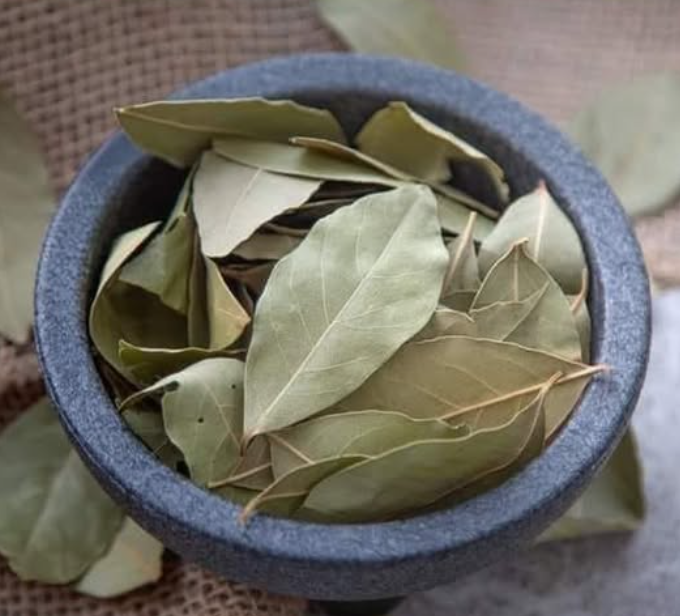
Another practical path is food. Leaves such as curry leaves, moringa leaves, bay leaves, and even cinnamon leaves can become part of home cooking. This can be especially valuable for people who do not enjoy herbal teas. Cooking with leaves often supports blood sugar-friendly living indirectly by encouraging more homemade meals, more vegetables, less processed food, and a wider range of plant inputs. That may sound simple, but simple is often what lasts.
📝 7 Easy Ways to Prepare Leaves for Blood Sugar-Friendly Living
1. Simple Leaf Tea Infusion
This is the most common and approachable method. Take washed fresh leaves or dried leaves, place them in a cup or teapot, pour hot water over them, and allow them to steep. Guava leaves, mulberry leaves, olive leaves, and green tea leaves all work well in this format. The tea can be enjoyed warm after meals, which makes it especially easy to pair with a daily routine.
Basic method:
Use 3 to 5 fresh leaves or 1 teaspoon dried leaves per cup of water. Steep for 5 to 10 minutes depending on the leaf and your taste preference. Strain and sip without added sugar whenever possible.
2. Light Decoction for Tougher Leaves
Some leaves are thicker or tougher and benefit from simmering rather than simple steeping. This can apply to mango leaves, olive leaves, or leaves that are older and more fibrous. A light decoction creates a deeper flavor and may draw more of the leaf’s character into the water.
Basic method:
Add the leaves to a small pot of water, bring to a gentle simmer for 10 minutes, then let rest for another 5 minutes before straining. Drink warm and keep the flavor mild enough to remain enjoyable.
3. Morning Warm Water With Leaf Infusion
For readers who want a gentle routine, a diluted leaf infusion in warm water can be an ideal starting point. This works well with guava leaves, mulberry leaves, or green tea leaves used lightly. The goal is not to shock the system but to begin the day with hydration and mindfulness rather than sweetness and haste.
4. Curry Leaves in Savory Meals
Curry leaves are wonderfully practical because they blend into ordinary food. They can be sautéed into lentils, stirred into vegetable dishes, added to soups, or infused into oil for home cooking. Their benefit comes not only from the leaves themselves, but from the way they encourage more cooking from scratch.
5. Moringa Leaves in Soups and Stews
Moringa leaves can be stirred into broths, soups, bean dishes, and stews. This is an excellent option for people who want nutrient-dense plant support without relying only on tea. In cooked dishes, moringa becomes part of a broader whole-food pattern that supports steadier eating.
6. Green Tea as a Smarter Beverage Swap
Green tea deserves special attention because it is accessible, widely available, and easy to integrate into modern routines. One unsweetened cup in place of a sugary bottled drink can be a meaningful change. For many people, the most realistic natural leaf is the one they can get consistently and actually enjoy.
7. Leaf Blends for Better Taste
Some leaves taste better when blended. For example, a person may combine mulberry leaves with green tea or add a slice of ginger to guava leaf tea for warmth. The important thing is not to overload the blend until it becomes confusing. A simple pairing can improve taste and make the routine easier to keep.
⏰ Best Daily Times to Use Natural Leaves
After Breakfast
This is an ideal time for people who want a gentle start. A warm tea after breakfast can support hydration and help reduce the temptation to reach for sugary drinks later in the morning. It also feels easier on the stomach than taking a strong herbal drink on an empty stomach.
After Lunch
For many people, the afternoon is where blood sugar swings become most noticeable. Energy drops, cravings rise, and snack choices become less thoughtful. A leaf tea after lunch may help create a steadier transition into the afternoon while also replacing a sweet beverage or dessert habit.
Late Afternoon
If late afternoon is your danger zone for cravings, this is a smart time to use a mild tea such as mulberry, guava, or a light green tea. It creates a pause between lunch and dinner and may help prevent impulsive eating.
With Meals Through Cooking
Leaves used in food, such as curry leaves, bay leaves, and moringa leaves, work best not by timing alone but by repetition. Their strength lies in becoming part of how meals are prepared regularly. This is especially helpful for families trying to build sustainable wellness habits through ordinary home food.
🌟 Additional Benefits People Often Notice
Although the focus here is blood sugar support, people who begin using natural leaves often notice a wider range of positive changes. One of the most common is reduced dependence on sugary beverages. This is especially true when herbal teas take the place of sweet coffee drinks, soda, or packaged juices. That single shift can improve daily habits far beyond the leaf’s chemistry.
Another frequent benefit is digestive awareness. Bitter or aromatic leaves often make people more conscious of how they feel after meals. They begin to notice which foods leave them sluggish, which meals keep them steady, and how much better their body feels when eating is more balanced. This kind of awareness can quietly transform lifestyle choices over time.
Some readers also report that leaf-based routines help them feel calmer. This is partly because tea rituals slow the day down. Drinking something warm and unsweetened can become a mindful moment instead of a reactive one. Stress and blood sugar habits are deeply connected, so any habit that introduces a bit more calm can be surprisingly valuable.
There is also the advantage of dietary diversity. Modern diets often repeat the same foods over and over, while leaves introduce new plant compounds and flavors. A greater diversity of plant foods is increasingly appreciated in modern wellness conversations, and leaves are an easy way to widen the range of what the body receives.
🥗 Lifestyle Habits That Help These Leaves Work Better
Natural leaves that may help support healthy blood sugar levels are most useful when they sit inside a larger pattern of sensible habits. If a person drinks guava leaf tea twice a day but continues to rely heavily on ultra-processed snacks, highly sweetened drinks, poor sleep, and a very sedentary routine, the leaf will be asked to do too much. No food or tea works well in isolation.
The good news is that the lifestyle habits that help leaf remedies work better are the same habits that improve wellness overall. Build meals around whole foods more often than processed ones. Include protein and fiber so that meals feel satisfying rather than flimsy. Do some form of regular movement, even if it is walking after meals. Sleep enough to avoid the cycle in which exhaustion drives cravings. Learn your own patterns. Many people know exactly when they are most likely to make poor food choices. A leaf tea can be placed strategically at those times to interrupt the pattern.
It is also wise to think in terms of substitution rather than addition. Instead of asking, “What leaf should I add to my already full day?” it may help to ask, “What less helpful habit can this leaf replace?” A cup of mulberry leaf tea instead of a sweetened iced drink is easier to sustain than simply piling more tasks onto yourself.
⚠️ Common Mistakes People Make With Leaf Remedies
Using Too Much Sweetener
This is the most common mistake of all. A person starts with a potentially useful herbal tea, then adds so much sugar or syrup that the drink no longer supports the goal. If a leaf tastes too harsh without sweetener, choose a milder leaf, blend it, or reduce the strength instead of drowning it in sugar.
Expecting Instant Results
Natural leaves are not emergency tools. They usually work, if they work at all, through consistency and routine. Expecting dramatic overnight changes leads to disappointment and abandonment. A steadier pattern of eating and drinking over weeks matters much more than one strong cup.
Choosing the Most Extreme Leaf First
Some people assume that the most bitter or intense leaf must be the most effective. Often, the better choice is the one you can actually use regularly. Guava, mulberry, curry leaf, or green tea may be more practical starting points than very strong leaves that quickly become unpleasant.
Ignoring Food Quality
Leaf remedies are supportive, not compensatory. They cannot reliably balance a pattern of constant overeating, excessive refined foods, or chaotic meal timing. Their role is to reinforce better habits, not rescue poor ones.
Using Poor-Quality Leaves
Leaves should be clean, properly identified, and sourced carefully. Random plant material from an uncertain source is not a good idea. If you are using fresh leaves, wash them well. If using dried leaves, choose food-grade or clearly appropriate herbal sources.
🛡️ Safety and Precautions
It is important to approach natural leaves with respect rather than hype. Even leaves used in traditional systems are still active plant materials, and not every leaf suits every person. Some may interact with medications, some may be too strong for sensitive digestion, and some are best used only in small amounts or under informed guidance. This is especially true for potent bitter leaves such as neem, which are traditionally respected but not treated casually.
People who are pregnant, breastfeeding, taking medication, following a medically prescribed diet, or managing a health condition should be careful about adopting strong herbal routines without professional advice. Even tea-based preparations can matter. Also, blood sugar is a medical topic, and persistent symptoms or diagnosed conditions deserve proper care. These leaves may help support healthy blood sugar levels, but they are not substitutes for medical treatment or individualized guidance.
Moderation is wise. Start with one leaf, one mild preparation, and a small routine. Observe how your body responds. Keep the practice food-like rather than extreme. Clean preparation, proper sourcing, and realistic expectations go a long way toward making herbal habits safer and more useful.
❓ Frequently Asked Questions About Natural Leaves That May Help Support Healthy Blood Sugar Levels
1. What are the best natural leaves for healthy blood sugar support?
Some of the most commonly discussed options include guava leaves, mulberry leaves, curry leaves, moringa leaves, olive leaves, and green tea leaves. The best choice depends on what is accessible, enjoyable, and realistic for your routine.
2. Can I drink these leaf teas every day?
Many mild leaf teas can be used regularly in moderation, especially when they are prepared gently and fit into a balanced diet. It is usually smart to start with small amounts and keep the routine simple.
3. Which leaf is easiest for beginners?
Mulberry leaf tea, guava leaf tea, and green tea are often beginner-friendly because they are relatively approachable in flavor and easy to prepare. Curry leaves are also excellent if you prefer adding leaves to food rather than drinking them.
4. Are bitter leaves always better?
Not necessarily. Bitter leaves have an important traditional reputation, but the best leaf is often the one you can use consistently and comfortably. A milder leaf used daily may be more practical than a very bitter leaf used once and abandoned.
5. Should I drink leaf tea before or after meals?
After meals is often the easiest and most comfortable time, especially for beginners. This timing can also help replace sugary beverages and support a steadier post-meal routine.
6. Can I mix several leaves together?
Yes, but keep the blends simple. Too many leaves at once can make it hard to know what suits you and may create a taste you do not enjoy. Start with one or two compatible leaves rather than a complicated mixture.
7. Is green tea enough, or do I need something more traditional?
Green tea absolutely counts. It is one of the most practical and widely appreciated leaf-based beverages for metabolic wellness support. A sustainable habit with green tea may be more valuable than an exotic remedy you never actually use.
8. Will these leaves lower blood sugar quickly?
That is not the right way to think about them. Natural leaves are best viewed as supportive parts of a healthier routine, not as quick-fix tools. Their role is to help create steadier patterns over time, especially when paired with balanced meals and daily movement.
🏁 Final Thoughts: Why Leaves Still Matter in a Modern Wellness Routine
It is easy to underestimate leaves because they seem so ordinary. They do not arrive in luxury packaging. They are not usually sold with dramatic before-and-after stories. They are quiet ingredients, simple ingredients, and that may be exactly why they continue to matter. A world obsessed with extreme solutions often forgets that the body responds beautifully to gentle consistency. Leaves belong to that gentler world.
Natural leaves that may help support healthy blood sugar levels are not important because they promise miracles. They are important because they fit real life. A few guava leaves in a teapot. Curry leaves sizzling in a homemade lunch. Mulberry leaf tea after a meal. Green tea replacing a bottled sugary drink. Moringa stirred into a soup. None of these actions are dramatic, but all of them move in the direction of steadier, more intentional living. That direction matters.
There is also something deeply reassuring about plant rituals that have survived across generations. When a remedy appears in multiple cultures, adapted to different climates and kitchens but serving a similar purpose, it suggests durability. It suggests usefulness. It reminds us that people have always searched for ways to feel lighter after meals, more stable through the day, and less ruled by cravings and energy crashes. Leaves became part of that search because they were accessible, practical, and repeatable.
Modern readers can learn a lot from that history. We do not need to romanticize every traditional claim, nor do we need to reject older wisdom just because it came before modern branding. The wiser path is somewhere in the middle. Respect the tradition. Stay realistic. Use what fits your life. Observe your body. Keep expectations calm. Let the leaf support the lifestyle instead of expecting it to replace one.
If you are curious about this world, start simply. Pick one leaf that feels manageable. Brew it mildly. Use it at the same time each day for a few weeks. Notice whether it helps you drink less sugar, snack less impulsively, or feel more steady after meals. Those changes may sound small, but they are often the foundation of bigger progress. In wellness, the habits that last are usually the ones that ask the least drama from us and offer the most consistency in return.
That may be the real message of these leaves. Not that nature hides a secret shortcut, but that nature often offers small tools for building better rhythms. And better rhythms, practiced daily, are often what create healthier lives.