🍵 How to Use Guava Leaves Correctly in Everyday Life
One of the biggest reasons guava leaves continue to earn respect is that they are genuinely practical. They do not require complicated tools, advanced herbal knowledge, or a long list of supporting ingredients. In most cases, using guava leaves correctly comes down to choosing clean leaves, preparing them simply, and using them with moderation and consistency rather than excess. This is good news, because remedies that are easy to prepare are far more likely to become part of daily life.
The two most common ways to use guava leaves are as a tea and as an external rinse. The tea is the classic internal preparation and is usually taken as part of a calm post-meal or morning ritual. The rinse is a popular external method used for the scalp and sometimes as part of simple skin care. Both methods are straightforward, but quality and cleanliness matter. Fresh leaves should be washed thoroughly, and dried leaves should come from a reliable, food-appropriate source.
Another important point is that guava leaves do not need to be used aggressively to be useful. In fact, one of the most common mistakes people make with plant remedies is assuming more must be better. Usually, the opposite is true. A mild tea taken regularly and a gentle rinse used once or twice a week are more realistic and often more beneficial than an intense routine that becomes difficult to maintain.
📝 How to Make Guava Leaf Tea Step by Step
Step 1: Choose the Leaves
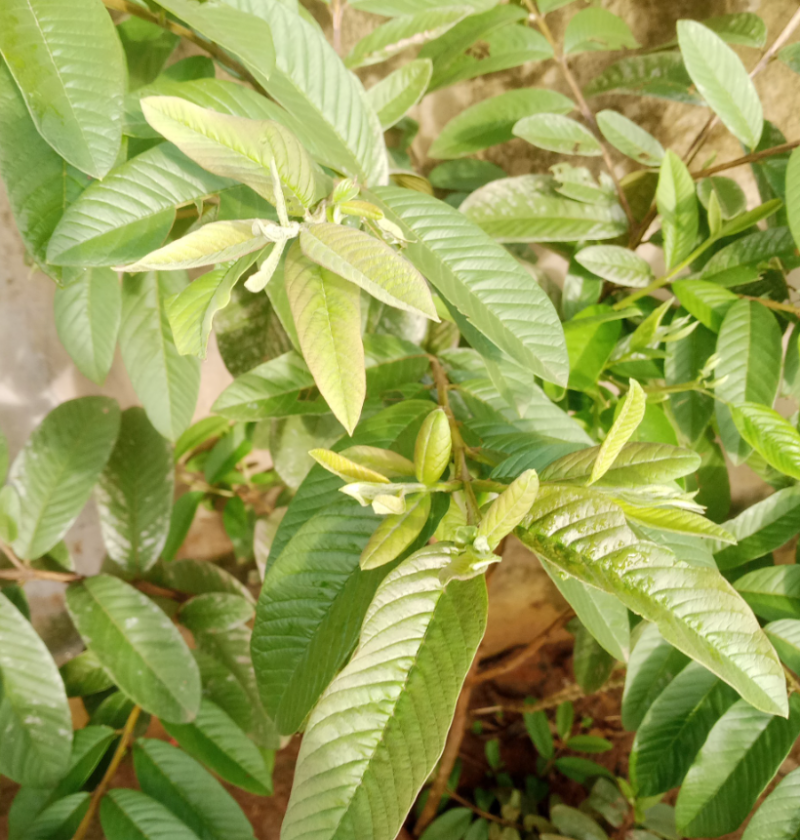
You can use fresh or dried guava leaves. If using fresh leaves, select healthy-looking leaves without mold, decay, or obvious pesticide exposure. Tender to medium-mature leaves are often ideal. If using dried leaves, make sure they are clean and intended for tea or herbal use.
Step 2: Wash Them Well
Fresh leaves should be rinsed thoroughly under clean running water. Since leaves can collect dust or surface residue, washing matters. Let them drain before use.
Step 3: Boil or Simmer Gently
For a basic tea, use about 5 to 7 fresh leaves or 1 tablespoon of dried leaves for 2 cups of water. Bring the water to a gentle boil, add the leaves, and simmer for around 10 minutes. Then remove from heat and let the tea rest for another 5 minutes.
Step 4: Strain and Serve
Strain the liquid into a cup. The tea can be enjoyed warm, which is often the most soothing option. Many people prefer it plain, but if the flavor feels too earthy, a slice of ginger or a little cinnamon can be added during simmering for warmth and depth.
Step 5: Use It in a Realistic Routine
Guava leaf tea is often best used after meals or once daily as part of a balanced routine. It should feel like a habit that supports your day, not a chore or a dramatic “detox” performance.
🌿 How to Make a Guava Leaf Hair Rinse
One of the most popular external uses of guava leaves is as a hair or scalp rinse. This method is especially loved because it feels simple, traditional, and pleasantly refreshing.
Basic Method
Take a handful of fresh guava leaves and rinse them thoroughly. Add them to 3 to 4 cups of water and boil for about 15 to 20 minutes. Once the water has taken on the color and aroma of the leaves, remove it from heat and allow it to cool completely. Strain the liquid.
After washing your hair, pour the cooled guava leaf water over the scalp and hair. Massage gently into the scalp for a few minutes, then leave it on briefly before rinsing lightly or leaving a little behind depending on your preference. Some people use it once a week, while others use it two or three times depending on their routine and scalp tolerance.
This rinse is most useful when treated as a gentle support rather than a dramatic intervention. It is part of a broader hair-care approach that includes not over-stripping the scalp, using gentle handling, and avoiding harsh routines.
💧 Other Ways to Use Guava Leaves Correctly
Warm Compress or Simple External Wash
A cooled guava leaf infusion can be used as a gentle external wash or warm compress in traditional home care. The key is to keep everything clean and mild. Use freshly prepared liquid and avoid storing it too long without refrigeration.
Blended Into Simple Herbal Routines
Some people combine guava leaves with mild ingredients such as ginger or cinnamon when making tea. This can improve taste and make the drink feel more warming. Keep blends simple so that the leaves remain the main focus.
As a Seasonal Support Tea
Rather than drinking guava leaf tea constantly all year, some people prefer to use it more intentionally during times when they want to feel more grounded, such as after heavy meals, during seasonal transitions, or when they are trying to improve their general beverage choices.
⏰ Best Daily Routines for Guava Leaves
Morning Routine
A mild cup of guava leaf tea in the morning can feel grounding and simple, especially for people who prefer warm beverages that are not overly stimulating. This works best when paired with a balanced breakfast rather than used as a replacement for real nourishment.
After-Meal Routine
This is perhaps the classic timing. Many people enjoy guava leaf tea after lunch or dinner as a calmer, lower-sugar alternative to dessert drinks. This timing also aligns beautifully with the leaf’s traditional reputation for digestive support.
Weekly Scalp Routine
A guava leaf rinse once or twice a week is usually a realistic starting point for most people interested in hair or scalp care. It can be added to wash day without requiring a major change in routine.
Seasonal Routine
Some natural remedies are most enjoyable when used seasonally. Guava leaves fit well into this category too. During periods when you want to reset your beverage habits, simplify your self-care, or reconnect with more plant-based rituals, they can be especially welcome.
🌟 Additional Benefits People Often Notice
Although the main conversation around guava leaves often focuses on digestion, post-meal routines, and scalp care, many people notice other indirect benefits when they begin using them consistently. One of the most common is a reduction in sugary drink habits. This is especially true for people who replace sweetened drinks with guava leaf tea. That substitution alone can change the quality of the day in a meaningful way.
Another overlooked benefit is ritual. Guava leaves encourage preparation. You wash them, simmer them, strain them, and use them intentionally. This slows things down. It turns a cup of tea or a hair rinse into an act of care rather than a rushed decision. For many people, the sense of calm that comes with that process is one of the most valuable parts of the remedy.
People also often report a stronger connection to traditional wisdom when using guava leaves. There is something emotionally grounding about taking a simple plant and preparing it the way older generations might have done. It makes wellness feel less commercial and more human. That shift in attitude can be surprisingly powerful.
🥗 Lifestyle Tips That Make Guava Leaves Work Better
Guava leaves are most useful when they are part of a broader healthy rhythm. Tea works better when meals are balanced. A scalp rinse works better when hair care is gentle overall. In other words, the leaves do not have to carry the whole burden of wellness alone. They shine best when they are companions to already sensible habits.
Pair guava leaf tea with meals that include fiber, protein, and real food rather than highly processed combinations. Use it as a replacement for less helpful drinks rather than merely adding it to an already overloaded day. For scalp care, combine the rinse with gentle washing habits, reduced heat styling when possible, and patience. Natural routines usually reward consistency more than intensity.
It is also wise to keep your expectations grounded. Guava leaves are not a dramatic shortcut. They are a quiet support. Their value becomes most visible over time, especially when you stop expecting instant transformation and start appreciating steady influence.
⚠️ Common Mistakes People Make With Guava Leaves
Using Dirty or Poor-Quality Leaves
This is one of the easiest mistakes to avoid. Always wash fresh leaves thoroughly and use leaves from a reliable source. Because leaves are exposed to the environment, cleanliness matters.
Adding Too Much Sugar to the Tea
If the goal is to make guava leaf tea part of a healthier routine, adding a large amount of sugar defeats the purpose. If the taste feels too strong, reduce the steeping time or blend it with mild warming ingredients rather than over-sweetening it.
Expecting Fast, Dramatic Results
Guava leaves are best treated as supportive, not miraculous. Their greatest value comes from repeated, moderate use rather than one intense week of overuse.
Using External Preparations Without Cooling Them Properly
A scalp rinse should always be cooled completely before use. Warm is one thing, hot is another. Comfort and safety matter.
Treating Guava Leaves Like a Cure-All
This is perhaps the most important mistake to avoid. Guava leaves may support several wellness routines, but they should not be treated as a replacement for medical care or as a guaranteed answer to every concern.
🛡️ Safety and Precautions
Guava leaves are generally used in food-like or tea-like amounts in traditional practice, which makes them different from highly concentrated extracts. Even so, moderation is wise. Start with mild preparations and observe how your body responds. Not every plant suits every person in exactly the same way.
If you are pregnant, breastfeeding, taking medications, following a medically prescribed diet, or managing a health condition, it is smart to seek qualified guidance before using guava leaves regularly as part of a wellness routine. This is especially important because topics like digestion and blood sugar can overlap with medical care. Guava leaves may help support healthy routines, but they are not substitutes for diagnosis, treatment, or individualized advice.
For external use, always test gently first if you have a sensitive scalp or skin. Make sure the rinse is clean, properly cooled, and freshly prepared. Stop using it if irritation occurs. And as with any botanical preparation, avoid exaggerated expectations. Safe, useful remedies usually live in the world of moderation.
❓ Frequently Asked Questions About Guava Leaves
1. What are guava leaves used for?
Guava leaves are commonly used in traditional wellness for tea, digestive-support routines, post-meal rituals, scalp rinses, and simple external plant-based care. Their exact use varies by culture and personal preference.
2. Can I drink guava leaf tea every day?
Many people enjoy guava leaf tea regularly in moderate amounts. A mild daily cup or several cups per week can be a realistic approach, especially when used as part of a balanced routine.
3. How many guava leaves should I use for tea?
A common starting point is 5 to 7 fresh leaves or about 1 tablespoon of dried leaves for 2 cups of water. This produces a tea that is noticeable but not overly strong.
4. Are guava leaves good for hair?
Guava leaves are widely used in traditional scalp and hair routines, especially as a boiled rinse. Many people enjoy them as part of a gentler, plant-based approach to scalp care.
5. Can I use dried guava leaves instead of fresh ones?
Yes. Dried guava leaves are often very convenient for tea. They should come from a clean, reliable source and be stored properly.
6. What does guava leaf tea taste like?
It usually tastes mild, earthy, and slightly astringent. It is less intense than many bitter herbal teas, which is one reason many people find it easy to include in their routine.
7. Can I mix guava leaves with other herbs?
Yes, simple pairings such as ginger or cinnamon can work well. It is usually best to keep the blend gentle and not overload the tea with too many competing ingredients.
8. How often should I use a guava leaf rinse on my hair?
Once or twice a week is a reasonable starting point for most people. As with any natural routine, observe how your scalp responds and adjust gently.
🏁 Final Thoughts: Why Guava Leaves Deserve More Respect
Guava leaves may never become as famous as the fruit, and perhaps that is part of their charm. They do not need to compete for attention. They have already proved their worth in the quieter, more meaningful ways that matter most. They have been brewed in kitchens, used in family routines, passed through generations, and kept alive by people who valued usefulness over trends.
That quiet usefulness is exactly why they deserve more respect today. The benefits of guava leaves are not built on fantasy. They come from the leaf’s practicality, its traditional reputation, its pleasant versatility, and its ability to fit naturally into everyday self-care. A cup of guava leaf tea can help create a calmer post-meal routine. A simple rinse can make scalp care feel more grounded. A jar of dried leaves in the kitchen can serve as a reminder that not all effective wellness support needs to come in commercial packaging.
At the same time, the most honest way to appreciate guava leaves is with balance. They are not miracle cures. They are not replacements for medical care. They are not a reason to expect overnight changes. They are something better: a realistic natural support that makes healthy routines easier to practice and more pleasant to keep.
That distinction matters. Sustainable wellness rarely comes from dramatic claims. It comes from habits that are simple enough to repeat, enjoyable enough to keep, and grounded enough to trust. Guava leaves fit that model beautifully. They ask very little from you. A few leaves. Some hot water. A little patience. A little consistency. In return, they offer a surprising amount.
So if you have been wondering what guava leaves are for and how to use them correctly, the answer is both simple and reassuring. They are for everyday support. They are for calmer routines. They are for tea, for rinses, for replacing less helpful habits, and for reconnecting with the idea that nature often gives more than we first notice.
The next time you see a guava tree, try not to look only at the fruit. Look at the leaves too. They may not seem impressive at first glance, but some of the most useful natural remedies never do. They simply keep working quietly in the background, waiting for someone curious enough to pay attention.