🍽️ How to Prepare and Use Beetroot Every Day Without Getting Bored
Once people get excited about the benefits of beetroot, they often run into the same problem almost immediately: they only know one or two ways to eat it. A vegetable can be healthy in theory, but if it becomes repetitive, daily use will not last. The secret to making beetroot a sustainable habit is not discipline alone. It is variety, flavor pairing, and convenience.
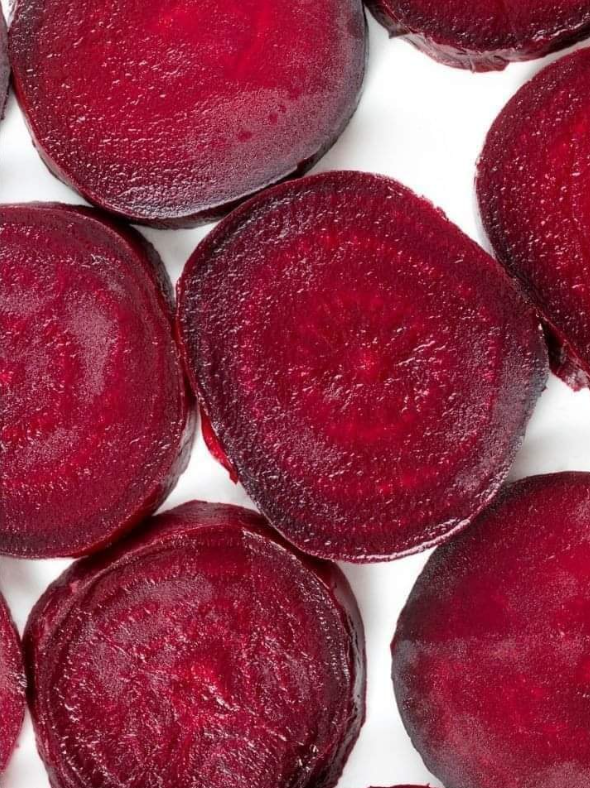
Fresh beetroot is one option, and for many home cooks it is the most affordable. You can roast it whole or in chunks, boil it, steam it, grate it raw, or blend it into soups. Vacuum-packed cooked beetroot is another very practical choice because it cuts out most of the prep work. Pickled beetroot adds tangy brightness and works especially well in sandwiches, grain bowls, and cold plates. Beetroot juice offers convenience and a concentrated option for people interested in quick intake, especially around workouts. Beetroot powder appears in smoothies, energy mixes, or homemade drinks, though it is wise to choose products with simple ingredient lists.
The best daily beetroot routine is usually the one that feels easiest, not the one that sounds most impressive. A person who buys fresh beets, forgets them in the fridge, and never cooks them is getting less benefit than someone who regularly uses ready-to-eat beetroot in salads three times a week and juice on two other days. Sustainability matters more than performance. In real life, health habits survive when they fit into busy schedules, changing appetites, and ordinary moods.
Beetroot also becomes much more enjoyable when combined with ingredients that complement its earthy sweetness. Citrus wakes it up. Vinegar sharpens it. Yogurt softens it. Goat cheese or feta gives it savory contrast. Walnuts add depth. Cumin, dill, mint, garlic, black pepper, and ginger can all transform the experience. Apples, carrots, and berries can make beetroot more approachable in juices and smoothies. Once you learn these pairings, beetroot stops feeling like a wellness assignment and starts feeling like a genuinely good ingredient.
👩🍳 Step-by-Step Instructions for Common Beetroot Preparations
🔥 Roasted beetroot
Roasting is one of the easiest and most delicious ways to prepare beetroot every day. Start by washing the beets well. Trim the tops and bottoms. You can roast them whole, wrapped loosely in foil or baking paper, or peel and cut them into chunks first. Place them in a hot oven until tender. Whole beets may take longer, while chunks roast faster and caramelize more around the edges. Once cooked, toss them with olive oil, lemon juice, herbs, and a little salt. Roasted beetroot works in salads, wraps, bowls, or as a side dish.
🥗 Raw grated beetroot salad
For a fresher texture, peel raw beetroot and grate it coarsely. Mix it with grated carrot, chopped parsley or mint, lemon juice, olive oil, and a little seasoning. Some people like to add raisins, apples, orange segments, or sunflower seeds. This preparation is quick, vibrant, and especially useful when you do not want to turn on the oven.
🥤 Beetroot juice
If using a juicer, combine beetroot with milder ingredients such as apple, carrot, cucumber, ginger, or orange to balance the earthy flavor. Start with a modest amount of beetroot rather than making it the entire drink. Juice is convenient, but because it removes much of the fiber found in whole beets, it works best as one option among many rather than the only way you consume beetroot.
🍲 Beetroot soup
Cook onion and garlic until soft, add chopped beetroot and perhaps carrot or celery, then cover with stock and simmer until everything is tender. Blend until smooth and finish with yogurt, herbs, or a squeeze of lemon. This is one of the most comforting ways to build beetroot into a regular routine, especially in cooler weather.
🥣 Beetroot smoothie
For people who want a quick breakfast or snack, a small amount of cooked beetroot can blend well with berries, banana, yogurt, oats, or plant milk. The key is balance. Too much beetroot can dominate the drink. A moderate amount gives color and nutrition without overwhelming the flavor.
⏰ Best Daily Routines for Eating Beetroot Every Day
There is no single perfect time to eat beetroot every day, but there are a few routines that make practical sense depending on your goals and habits. If you enjoy calm, simple breakfasts, beetroot can fit into a smoothie, juice, or savory breakfast bowl. This works well for people who like getting vegetables in early, before the day gets busy and food choices become more impulsive.
Lunch may be the easiest time for many people. Beetroot is ideal in salads, wraps, grain bowls, and leftovers. Because it pairs well with chickpeas, lentils, quinoa, leafy greens, yogurt dressings, and seeds, it slips naturally into meals that feel both filling and fresh. A beetroot lunch tends to be colorful enough to feel satisfying, which matters more than many people realize.
Before exercise is another popular timing choice, especially for those using beetroot juice. Some people prefer this because it turns beetroot into part of a performance or movement ritual, making the habit easier to remember. Others prefer dinner, especially roasted beetroot, because warm preparations feel comforting and easy to pair with the rest of the meal.
The best routine is the one you can repeat without effort. You do not need to consume large quantities daily. A sensible portion in a regular rhythm is more realistic and more sustainable than forcing a huge serving one day and avoiding it the next three days. In nutrition, consistency usually beats intensity.
💡 Simple Daily Beetroot Ideas for Real Life
One of the easiest ways to eat beetroot every day is to prepare a batch in advance. Roast several beets at once, store them in the fridge, and use them across multiple meals. Add slices to a sandwich with hummus and cucumber. Toss cubes into a lentil salad. Blend some into soup. Mash roasted beetroot into yogurt with garlic for a quick dip. Layer it in a grain bowl with quinoa, arugula, feta, and walnuts. Fold grated beetroot into slaw. Stir it into risotto. Use it as a topping for avocado toast if you want something different from the usual routine.
Another easy strategy is to alternate formats. One day roasted, one day juiced, one day grated, one day in soup, one day pickled. Alternating textures helps prevent flavor fatigue. Many people think they are tired of a food when they are actually tired of one preparation.
It also helps to combine beetroot with familiar foods rather than treating it like a stand-alone challenge. People who dislike plain boiled beetroot often enjoy it when paired with citrus, creamy elements, herbs, or crunch. A beetroot habit succeeds when it becomes delicious enough that you stop thinking of it as a “health food task.”
🌟 Additional Health-Supportive Reasons People Keep Beetroot in the Rotation
Beyond the most commonly discussed benefits, daily beetroot often contributes to something broader and just as valuable: dietary momentum. When people start eating one colorful vegetable regularly, they often begin making better food choices around it. A beetroot salad might lead to more olive oil instead of bottled sugary dressing, more legumes instead of processed meat, more seeds and herbs instead of refined snack foods. In that sense, beetroot can become a gateway ingredient to a more thoughtful eating pattern.
Beetroot can also help people reconnect with cooking. It requires some hands-on preparation in its fresh form, and that can be a good thing. Washing, roasting, slicing, seasoning, and assembling meals around whole foods can shift eating from reactive to intentional. That change affects far more than one nutrient. It changes the atmosphere around food.
For people who struggle with vegetable boredom, beetroot provides novelty without becoming obscure or expensive. It is distinctive enough to feel interesting, but familiar enough to find in ordinary markets. The bright color can also make meals feel more abundant and cheerful. This may sound minor, yet the emotional experience of a meal matters. A visually appealing plate often encourages slower, more mindful eating.
Some people also appreciate that beetroot works across seasons. In colder months it can be roasted, mashed, or souped. In warmer months it can be grated, chilled, or blended into light dishes. That year-round usefulness makes it easier to keep in regular rotation rather than treating it as a temporary phase.
🧘 Lifestyle Tips That Pair Well With a Daily Beetroot Habit
Beetroot works best when it is not expected to do all the work alone. The people who benefit most from nutrient-dense foods are usually the ones building them into a wider set of supportive habits. Start by thinking in combinations. Beetroot with enough water, enough daily movement, and a generally fiber-conscious diet will make more sense than beetroot dropped into an otherwise chaotic pattern of skipped meals and late-night processed snacks.
Pair beetroot with protein and healthy fats when possible. This can make meals more satisfying and balanced. A beetroot and lentil bowl, beetroot with yogurt and seeds, or beetroot salad with eggs or beans all tend to create more staying power than beetroot by itself. Stable routines matter too. Keeping cooked beetroot ready in the fridge turns good intentions into something usable on rushed days.
It is also smart to keep your expectations realistic. Daily beetroot is not a test of purity. Missing a day does not erase the value of the habit. Thinking in weekly patterns instead of perfection often leads to better long-term results. If you eat beetroot most days because you genuinely enjoy it, that is a stronger routine than forcing it daily until you suddenly cannot stand it.
Finally, pay attention to how your body responds. Some people love beetroot juice but feel better with whole beetroot because of the fiber. Others prefer cooked beetroot because raw feels too intense. Personalizing your habit is not weakness. It is the whole point of making healthy eating sustainable.
🚫 Mistakes People Should Avoid When Eating Beetroot Every Day
❌ Relying only on beetroot juice
Juice can be convenient, but using only juice means missing the fiber found in whole beetroot. For many people, the best approach is balance: sometimes juice, often whole beetroot.
❌ Eating huge amounts because it seems healthy
More is not always better. A moderate, regular serving is usually more practical than very large portions. Excessive enthusiasm can turn a good habit into an uncomfortable one.
❌ Forgetting that beetroot can color urine and stool
This harmless effect surprises many people. If you have eaten beetroot and later notice pink or red coloring, it can simply be beeturia, which is harmless in many cases. Of course, if anything feels unusual or concerning, it is sensible to speak with a qualified professional.
❌ Expecting instant transformation
Beetroot is supportive, not cinematic. It is part of a pattern. People who expect immediate dramatic change may give up too soon on a habit that is better judged over weeks than hours.
❌ Using sugary beetroot products and assuming they are all the same
Not every beetroot drink or snack sold in wellness packaging is nutritionally equivalent to plain beetroot. Some products contain a lot of added sugar or many unnecessary ingredients. Simple forms are usually the most dependable.
❌ Ignoring flavor balance
A lot of people decide they dislike beetroot when they have only tried it plain and under-seasoned. Acidity, herbs, creamy textures, and crunch can make all the difference.
⚠️ Safety and Precautions Around Eating Beetroot Every Day
For most people, beetroot is a perfectly reasonable food to enjoy regularly as part of a balanced diet. Still, a few practical precautions are worth keeping in mind. First, the harmless pink or red coloring of urine or stool after eating beetroot can be surprising. This is commonly known as beeturia and is often simply a visual side effect of the pigments.
Second, beetroot contains oxalates, which some people monitor depending on their health history and personal dietary advice. People with specific medical conditions, dietary restrictions, or concerns about how beetroot fits into their routine should check with a qualified healthcare professional for personalized guidance.
Third, people who are carefully managing blood pressure or taking medications that affect circulation or blood pressure may want to be especially mindful when making large changes to their diet. Beetroot is still food, not medicine, but it is always smart to approach diet changes thoughtfully when health conditions are involved.
Fourth, beetroot juice can be easier to consume quickly than whole beetroot, which means people may take in more at once than they realize. Starting with moderate amounts is usually the sensible path. It gives you time to observe how you feel and whether the flavor and format suit you.
The general principle is simple: enjoy beetroot as food, use common sense, and personalize the habit. A safe and sustainable routine is always more valuable than an extreme one.
❓ Frequently Asked Questions About Eating Beetroot Every Day
1. Is it okay to eat beetroot every day?
For many people, yes. Beetroot can be part of a healthy, balanced diet when eaten in sensible portions. Variety still matters, so it is best enjoyed as one part of a wider mix of vegetables and whole foods.
2. What happens if I eat beetroot every day?
Over time, daily beetroot may help support blood vessel function, add useful nutrients such as folate and potassium, and improve regularity if your overall fiber intake is low. Some people also notice red or pink urine or stool, which can be harmless after eating beetroot.
3. Is beetroot better raw, cooked, or juiced?
Each form has advantages. Raw beetroot offers crunch, cooked beetroot is sweeter and often easier to digest, and juice is convenient. Whole beetroot usually provides more fiber than juice, so many people benefit from including both whole and occasional juiced forms depending on preference.
4. How much beetroot should I eat per day?
There is no single amount that fits everyone. A moderate serving included regularly is usually more practical than large amounts. Your best amount depends on your total diet, tolerance, and the form you are using.
5. Why does beetroot make urine or stool look red?
Beetroot contains strong pigments that can pass through the body and tint urine or stool pink or red in some people. This can be harmless, though any unexpected or persistent symptoms should always be discussed with a qualified professional.
6. Can I drink beetroot juice every day instead of eating whole beetroot?
You can include beetroot juice regularly, but relying on juice alone means missing the fiber in whole beetroot. A mix of whole beetroot and juice is often a more balanced approach.
7. Is beetroot good before exercise?
Some people like beetroot or beetroot juice before workouts because of its natural nitrate content. It has become popular in exercise routines for that reason, though personal response varies.
8. What foods taste best with beetroot?
Beetroot pairs especially well with citrus, yogurt, feta, goat cheese, walnuts, lentils, chickpeas, garlic, dill, mint, cumin, apples, carrots, and leafy greens. These combinations help balance its earthy sweetness.
🧠 Expert-Style Final Thoughts on Eating Beetroot Every Day
Eating beetroot every day usually does not trigger a dramatic overnight transformation, and that is exactly why it deserves respect. The most valuable foods are often the ones that work quietly. Beetroot does not rely on hype to be useful. Over time, it may support blood vessel function and blood pressure-conscious eating patterns, add fiber if your diet needs it, contribute folate and potassium, and help you build meals that feel more colorful, satisfying, and intentional. That is a meaningful list for any ordinary vegetable.
What makes beetroot especially compelling is that it sits in a sweet spot between tradition and modern interest. It has centuries of real food history behind it, yet it still feels relevant in contemporary conversations about fitness, heart-conscious eating, whole foods, and daily wellness habits. It is affordable in many places, easy to prepare in batches, adaptable across seasons, and dramatic enough in flavor and color to make healthy meals feel memorable rather than routine.
The smartest way to think about daily beetroot is not as a miracle remedy but as a dependable ally. Roast it, grate it, juice it, blend it, pickle it, or fold it into bowls and salads. Use it in ways that fit your life, your taste, and your schedule. Keep portions sensible. Respect personal tolerance. Pair it with other nourishing foods. Let it be one part of a bigger pattern that includes rest, movement, hydration, and variety.
In the end, the real power of eating beetroot every day may not be one isolated nutrient effect at all. It may be the way this humble root teaches a better rhythm of eating: slower, more colorful, more plant-centered, and more attentive. And in a world full of extreme promises and quick-fix wellness noise, that kind of steady, grounded habit is something worth holding onto.