👩🍳 How to Use Pumpkin in Everyday Meals for Blood Sugar and Heart Wellness
The best thing about pumpkin may be how easy it is to work into ordinary eating once you stop thinking of it as a holiday-only ingredient. That shift changes everything. Instead of waiting for a special recipe, you begin to see pumpkin as a basic building block. It can anchor a soup, soften a breakfast, bulk up a grain bowl, or add comfort to a simple dinner plate. This is where pumpkin becomes truly useful. It stops being an event and starts being a habit.
For readers interested in supporting healthy blood sugar and heart wellness, the smartest approach is to use pumpkin in meals that combine fiber, protein, and healthy fats. Pumpkin by itself is pleasant, but pumpkin paired well is far more effective. Stirring pumpkin puree into oats works better when seeds or nuts are added. Roasted pumpkin becomes more sustaining when served with chickpeas or fish. Pumpkin soup becomes more balanced when blended with beans, lentils, or a yogurt-style topping. The goal is not simply to eat pumpkin. The goal is to build satisfying meals around it.
Canned pumpkin puree can make this especially easy, as long as it is plain pumpkin and not sweetened pie filling. Keeping a few cans in the pantry allows pumpkin to become a realistic weekday ingredient instead of something that requires peeling and roasting every time. Fresh pumpkin, of course, is wonderful too, especially when roasted until caramelized and tender. The right choice is simply the one you are more likely to use consistently.
🥣 Step-by-Step Ways to Prepare Pumpkin Well
🔪 1. Roast fresh pumpkin for maximum flavor
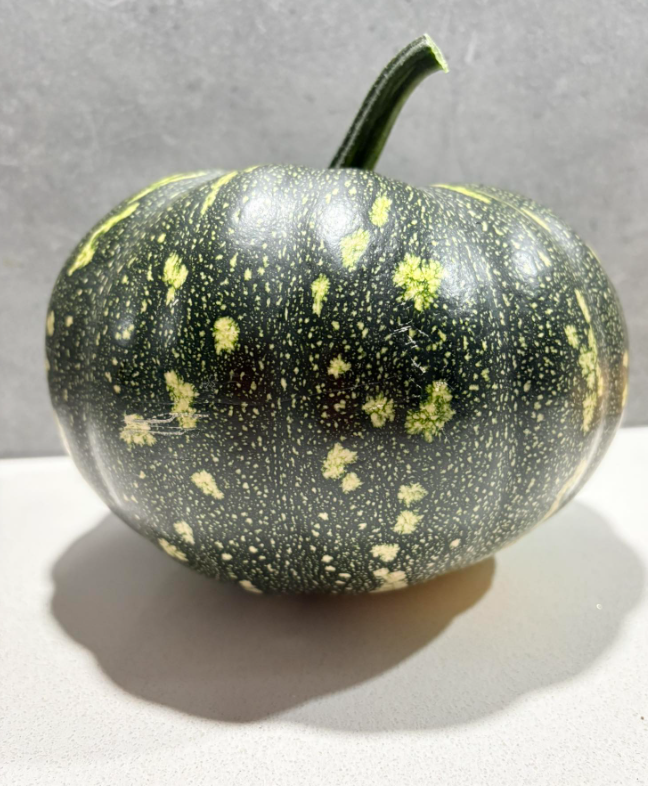
If you are using fresh culinary pumpkin, cut it into manageable wedges or cubes, remove the seeds, and roast it until soft and lightly golden. Roasting deepens flavor and reduces excess moisture, which gives pumpkin a richer, sweeter taste without added sugar. Once roasted, it can be mashed, blended, or served as it is. This is one of the easiest ways to make pumpkin feel luxurious without much effort.
🥄 2. Use plain pumpkin puree as a meal starter
Plain puree is perfect for stirring into oatmeal, soups, sauces, pancake batter, muffin batter, smoothies, and spreads. Because its flavor is mild, it blends into many dishes without overwhelming them. That makes it a useful ingredient for families, picky eaters, or anyone who wants more vegetables in familiar foods.
🍲 3. Build soups with more than just pumpkin
One of the common mistakes people make is turning pumpkin soup into a bowl of mostly cream and salt. A more balanced approach is to pair pumpkin with onions, garlic, herbs, broth, lentils, white beans, or chickpeas. This creates a deeper flavor and a more sustaining meal. The soup becomes comforting without becoming nutritionally shallow.
🥗 4. Add roasted pumpkin to salads and grain bowls
Roasted pumpkin brings softness and gentle sweetness to salads, especially when paired with bitter greens, seeds, beans, or a tangy dressing. It also works beautifully in grain bowls with quinoa, brown rice, or farro. This is an easy way to create a meal that feels colorful and hearty while still supporting a balanced eating pattern.
🌰 5. Save and roast the seeds
Pumpkin seeds should never be treated as an afterthought. Clean them, dry them, season lightly, and roast until crisp. They make an excellent topping for soups, vegetable dishes, yogurt-style bowls, and homemade trail mixes. Their crunch adds satisfaction, and their nutrient density makes the whole pumpkin experience even more complete.
⏰ Best Daily Routines for Enjoying Pumpkin More Regularly
The easiest way to make pumpkin part of a healthy routine is to place it in meals that already exist instead of constantly trying new recipes. At breakfast, stir pumpkin puree into oats with cinnamon and seeds. At lunch, add roasted pumpkin cubes to a salad or grain bowl. At dinner, use pumpkin in soup, mash, or as a tray-baked side. For snacks, pumpkin seeds can bring a more balanced option than packaged sweets or salty refined snacks.
There is also something to be said for seasonal rhythm. Pumpkin naturally becomes more appealing in cooler months, and leaning into that can make healthy eating feel more intuitive. Not every wellness habit needs to be identical year-round. Sometimes the smartest routine is one that changes with weather, appetite, and mood. Pumpkin suits that rhythm beautifully. It is warming, grounding, and deeply compatible with the kinds of meals people tend to crave when life feels busier or colder.
Meal prep can help too. A tray of roasted pumpkin kept in the refrigerator becomes an easy addition to several meals over a few days. A container of puree can be spooned into breakfasts or blended into quick soups. A jar of roasted seeds adds crunch wherever needed. When pumpkin is prepared in advance, it stops being a project and starts being convenient. Convenience is underrated in wellness. The foods that help most are often simply the foods that are ready when hunger shows up.
🍽️ Easy Meal Ideas That Feel Comforting and Supportive
A truly useful wellness food is one that can move through the day with you, and pumpkin does exactly that. In the morning, it can be folded into oats with chia seeds and a spoonful of nut butter for a breakfast that feels warm, creamy, and more satisfying than plain cereal. At midday, pumpkin can be blended into a soup with carrots, lentils, garlic, and herbs, creating a lunch that feels cozy yet substantial. At dinner, it can be roasted with onions and chickpeas, then served with greens and a drizzle of olive oil. None of these meals feel like punishment, and that is precisely the point.
Pumpkin can also improve familiar recipes without making them feel “healthy” in a joyless way. It can add moisture to muffins, enrich pancake batter, thicken pasta sauces, and soften chili. It works in hummus-style dips, savory spreads, and blended dressings. Once you begin using pumpkin for texture as much as flavor, the possibilities open up. And because its taste is so adaptable, it rarely dominates a dish. It supports rather than overwhelms.
For readers trying to reduce sugary desserts, pumpkin can even help there, but in a smart way. Instead of turning to heavily sweetened pies and pastries every time pumpkin enters the kitchen, try baked pumpkin oatmeal, yogurt-style bowls with pumpkin and nuts, or lightly sweetened homemade breads where pumpkin provides most of the softness. The goal is not to ban pleasure. It is to shift pleasure toward forms that feel steadier and more nourishing.
💪 Additional Benefits of Pumpkin Beyond Blood Sugar and Heart Support
Although the focus here is on healthy blood sugar and heart wellness, pumpkin brings value beyond those areas. Its bright carotenoids support the broader appeal of a colorful, nutrient-rich diet. Its fiber contributes to digestive regularity and fullness. Its versatility reduces boredom in vegetable-focused eating. These benefits may sound ordinary, but ordinary is where most wellness success happens. Better digestion, more satiety, and less meal fatigue are exactly the kinds of things that make supportive eating patterns easier to maintain.
Pumpkin is also budget-friendly compared with many trend-driven wellness foods. That makes it more accessible, which matters. There is little point recommending ingredients that people cannot realistically buy, store, or cook. Pumpkin, whether fresh or canned, is widely available and easy to stretch across multiple meals. That practical affordability gives it an advantage over many ingredients marketed as health essentials.
There is an emotional benefit too. Foods like pumpkin encourage slower, more intentional cooking. They invite roasting, stirring, simmering, and seasoning. They make the kitchen feel lived in. That may sound poetic, but it has real value. When people feel more connected to their food, they often make better choices without as much internal resistance. Pumpkin helps create meals that feel like care rather than compliance.
🌿 Lifestyle Tips That Make Pumpkin Work Even Better
Pumpkin becomes most effective in a wellness routine when it supports larger habits. Pair it with regular mealtimes so you are not swinging between restriction and overeating. Combine it with protein and healthy fats so meals keep you full longer. Use it to replace some ultra-processed convenience foods, not simply to decorate an already unbalanced diet. A pumpkin muffin beside a sugary coffee drink and a rushed day is not the same as a balanced breakfast bowl built with intention.
It also helps to stay realistic about portions and preparation style. Roasted pumpkin with herbs is very different from pumpkin drenched in sugar syrup. Pumpkin soup thickened with beans and olive oil tells a different wellness story than one built mostly from cream and refined crackers. The ingredient itself has potential, but preparation determines whether that potential is actually used.
Hydration, sleep, movement, and overall dietary quality still matter too. No single food, however helpful, can override a lifestyle that leaves the body constantly under strain. Pumpkin should be seen as a supportive player in a bigger picture. That picture includes vegetables, legumes, whole grains, healthy fats, manageable stress, and regular activity. Put simply, pumpkin works best when it joins a team.
⚠️ Mistakes People Should Avoid With Pumpkin
🚫 Mistake 1: Confusing pumpkin-flavored products with real pumpkin nutrition
This is by far the most common mistake. Many seasonal products are more about sugar, refined flour, and flavoring than real pumpkin. Just because a package says pumpkin does not mean it delivers the same benefits as plain roasted pumpkin or pure puree.
🚫 Mistake 2: Turning every pumpkin dish into dessert
Pumpkin’s natural sweetness is helpful, but it does not need to be pushed into candy territory. Overloading pumpkin recipes with sugar can cancel the steadier, more balanced role it could otherwise play in a wellness routine.
🚫 Mistake 3: Eating pumpkin alone and expecting lasting fullness
Pumpkin is helpful, but meals built only around pumpkin may not keep you satisfied for long. Pairing it with beans, yogurt-style toppings, seeds, nuts, eggs, fish, or other proteins makes a big difference in how balanced and sustaining the meal feels.
🚫 Mistake 4: Ignoring the seeds
Throwing away the seeds means missing part of what makes pumpkin so useful. Seeds add crunch, nourishment, and a more complete whole-food experience. They are one of the easiest ways to stretch the ingredient further.
🚫 Mistake 5: Assuming one healthy ingredient fixes an otherwise poor diet
Pumpkin can support wellness, but it cannot compensate for consistently high intakes of highly processed foods, poor sleep, chronic stress, or inactivity. It helps most when it is part of a generally supportive routine.
🚫 Mistake 6: Making healthy eating feel too complicated
Sometimes people buy pumpkin with good intentions and then never use it because they think they need an elaborate recipe. In reality, some of the best pumpkin meals are the simplest: roast it, season it, pair it, and eat it regularly.
🩺 Safety and Sensible Use
For most people, pumpkin is a wholesome food that fits easily into a balanced diet. Still, sensible use matters. Portion size, preparation, and the rest of the meal influence how supportive it actually becomes. If someone is actively managing blood sugar concerns or a heart-related condition, the most responsible approach is to treat pumpkin as part of an overall eating strategy rather than as a stand-alone solution. That means paying attention to the whole plate, not just the orange ingredient in the middle.
It is also worth being mindful of product labels. Sweetened pumpkin pie filling is not the same as plain pumpkin puree. Flavored coffee drinks and bakery items with pumpkin branding often contain far more sugar than many people realize. Choosing the simplest, least altered version of the ingredient usually delivers the greatest benefit.
For anyone with specific medical concerns, allergies, or individual dietary needs, personalized advice always matters more than generalized food trends. Pumpkin can be a very helpful food, but supportive eating is always most effective when it matches the person actually eating the meal.
❓ Frequently Asked Questions About Pumpkin and Wellness
🤔 Is pumpkin good for healthy blood sugar support?
Pumpkin may be a helpful part of a balanced eating pattern that supports healthy blood sugar, especially when it is eaten in whole-food meals that include fiber, protein, and healthy fats. It works best as part of an overall routine, not as a single solution.
🤔 Can pumpkin be part of a heart-conscious diet?
Yes, pumpkin can fit very well into a heart-conscious diet because it works naturally in meals built around vegetables, legumes, whole grains, seeds, and healthy fats. Its versatility makes it easier to create meals that feel satisfying while leaning in a more nourishing direction.
🤔 Is canned pumpkin as healthy as fresh pumpkin?
Plain canned pumpkin puree can be a very practical and nutritious option. The key is choosing unsweetened puree rather than pie filling. Fresh pumpkin is excellent too, but the healthiest choice is often the one you will actually use regularly.
🤔 Are pumpkin seeds worth eating too?
Absolutely. Pumpkin seeds add crunch, plant protein, healthy fats, and valuable minerals. They are an easy way to make meals and snacks more satisfying and nutritionally rounded.
🤔 What is the healthiest way to eat pumpkin?
Some of the healthiest ways include roasting it, blending it into bean- or lentil-based soups, stirring it into oats, or adding it to grain bowls and salads. The best preparation is usually one that keeps added sugar low and pairs pumpkin with other nourishing ingredients.
🤔 Does pumpkin automatically make baked goods healthy?
No. Pumpkin can improve texture, moisture, and nutrient value, but a baked good still depends on the overall recipe. Large amounts of sugar, refined flour, and frosting can easily overshadow the benefits of the pumpkin itself.
🤔 Can I eat pumpkin every day?
For many people, pumpkin can be enjoyed regularly as part of a varied diet. As with any food, balance and variety matter, but pumpkin is flexible enough to appear often without becoming repetitive.
🤔 Why does pumpkin feel so satisfying compared with other vegetables?
Pumpkin has a naturally soft, creamy texture and mild sweetness that make it feel comforting. That sensory richness helps healthier meals feel more complete, which may be one reason people find it easier to stick with.
🌟 Expert-Style Conclusion: Why Pumpkin Deserves a Permanent Place in a Smart Wellness Kitchen
Pumpkin’s greatest strength is not that it promises miracles. It is that it makes supportive eating feel more possible. In the real world, that matters far more. People do not build better health from dramatic ingredients they use once and forget. They build it from foods that fit into ordinary meals, please the senses, satisfy hunger, and gently improve the quality of the overall diet. Pumpkin does all of that with surprising grace.
Its role in supporting healthy blood sugar and heart wellness is best understood through that practical lens. Pumpkin provides fiber, natural richness, helpful nutrients, and extraordinary versatility. It can make meals feel warmer, fuller, and more comforting while nudging them in a more balanced direction. It can help replace refined, heavily processed foods with something more grounded and nourishing. It can even make healthy cooking feel a little more beautiful, which is not a small thing. Beauty and comfort are often what keep good habits alive.
Just as important, pumpkin invites a more realistic relationship with wellness. It does not ask for perfection. It asks for participation. Roast a tray. Blend a soup. Stir some puree into breakfast. Save the seeds. Build a meal that feels satisfying enough to repeat. These are small actions, but small actions repeated over weeks and months are what transform the way a person eats.
There is also a lesson here that extends beyond pumpkin itself. The foods most capable of supporting wellness are often the ones hiding in plain sight. They are simple, seasonal, familiar, and deeply adaptable. They do not need extravagant claims because their usefulness is already built into how they nourish daily life. Pumpkin is one of those foods. It has the warmth of tradition, the practicality of a pantry staple, and the quiet nutritional value of an ingredient that deserves much more than decorative status.
So the next time pumpkin appears in the kitchen, it may help to see it differently. Not just as a symbol of autumn. Not just as a pie filling. Not just as a flavor trend. See it as a versatile whole food that may help support healthy blood sugar and heart wellness when used thoughtfully and consistently. That is a more grounded, more honest, and ultimately more powerful way to appreciate it.
In a wellness world crowded with noise, pumpkin offers something refreshingly calm: nourishment that feels familiar, generous, and real. And sometimes that kind of steady support is exactly what a healthier life needs most.