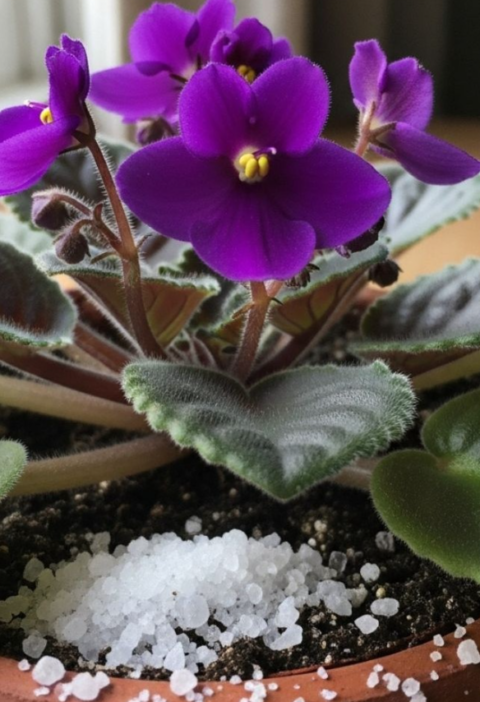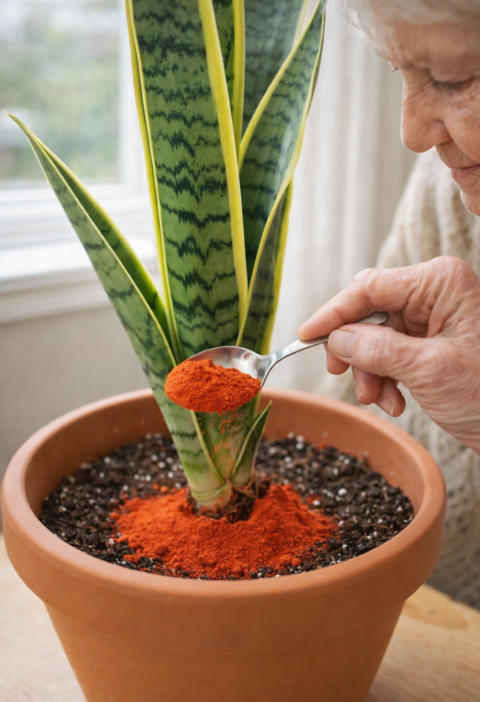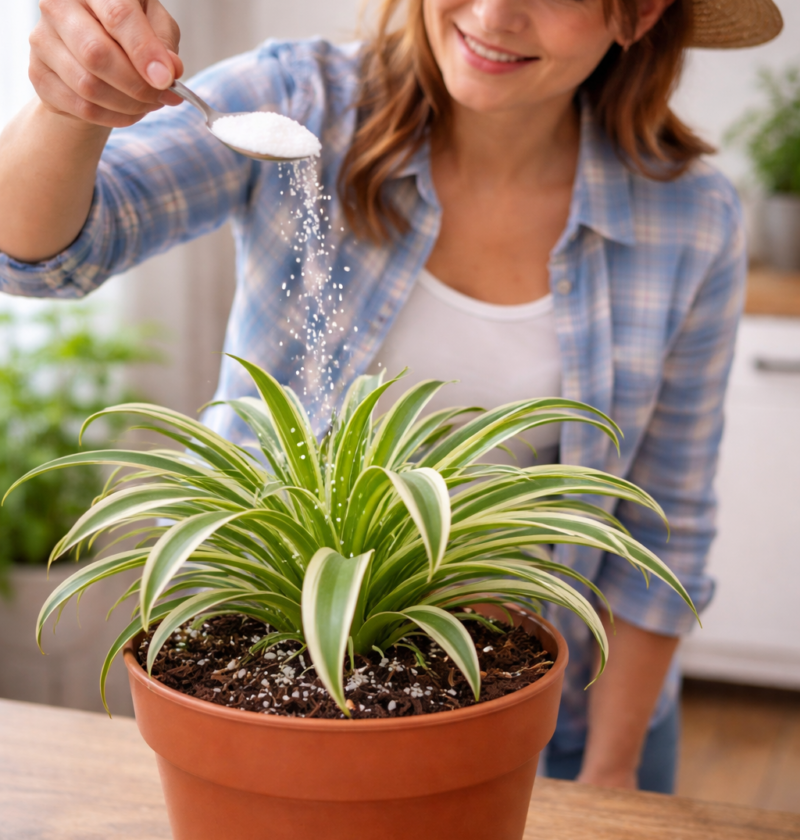
🥄 How to Do the Simple Sprinkle Trick Correctly
The technique is easy, but a few details matter. You do not want to bury the crown of the plant, compact the soil, or create a soggy surface. You want a thin, even layer that works with your watering routine.
What you need
• Good-quality worm castings
• A small spoon or your hand
• Watering can or normal watering routine
How much to use
For small pots, usually 1 to 2 teaspoons is enough. For medium indoor pots, 1 to 2 tablespoons works well. For larger floor plants, a light handful spread across the top is usually sufficient. The goal is a thin layer, not a thick blanket.
How to apply it
Loosen the very top surface of the potting mix gently with your fingers if it has become crusted. Then sprinkle the worm castings evenly across the soil. Keep the material slightly away from the main stem or crown of the plant, especially on sensitive plants. After applying, water lightly so the top layer begins to settle and nutrients start moving downward.
You do not need to mix it deeply into the pot. In fact, top-dressing works precisely because watering carries nutrients through the upper root zone gradually.
How often to repeat
During the active growing season, many indoor gardeners repeat the sprinkle every 4 to 6 weeks. In slower winter periods, plants generally need less feeding. For dormant or very slow-growing plants, reduce the frequency or skip entirely until growth resumes.
💧 Why Watering Matters After Top-Dressing
The sprinkle trick is not complete without correct watering. Water is what carries the nutrients into the root zone. It is also what activates microbial life near the soil surface. If the pot stays bone dry for too long after top-dressing, the effect is delayed. If the pot is constantly soggy, roots can suffer and the plant may still struggle.
That is why this trick works best in the context of an already balanced watering routine. Most houseplants prefer a cycle: water thoroughly, then allow the soil to reach the appropriate dryness level before watering again. That cycle moves oxygen into the root zone and prevents root stress.
When paired with that rhythm, worm castings become a gentle background support system rather than a heavy intervention.
☀️ The Trick Will Not Work Well Without Enough Light
Many people blame fertilizer when the real problem is light. Nutrients can only do so much if the plant is not receiving enough energy from photosynthesis. A peace lily in a dim hallway, an African violet far from a window, or a kalanchoe in deep shade may remain underperforming even with better soil.
That does not mean the sprinkle trick is useless. It means nutrition is only one part of plant health. For the best results, pair this trick with bright indirect light for most tropicals, stronger light for bloom-heavy houseplants, and correct placement according to species.
In other words, feeding helps a plant use its potential. Light gives it that potential in the first place.
🌱 What Results to Expect
Because this is a gentle organic method, results are usually gradual rather than dramatic. That is actually a good sign. Fast, unnatural surges of growth often produce weak tissue. Slow improvement usually leads to stronger, more balanced plants.
Within a few weeks, many people notice greener leaves or slightly more active growth. After one or two feeding cycles, the plant may begin pushing stronger new leaves, holding foliage more upright, or producing fuller growth. Flowering plants may begin setting buds more readily when combined with proper light and regular care.
The biggest long-term result is often not one giant bloom cycle, but a plant that simply looks healthier month after month. It becomes more stable, more vigorous, and more capable of blooming naturally when conditions are right.
🚫 Common Mistakes People Make with This Method
1️⃣ Using too much
A thick layer on top of the pot can compact when watered and may stay too damp. This is a sprinkle trick, not a heavy mulch application.
2️⃣ Applying it to waterlogged plants
If the plant is already sitting in poorly drained soil and suffering from overwatering, adding top-dressing will not fix the main problem. Drainage and watering habits must be corrected first.
3️⃣ Expecting miracles in poor light
No fertilizer can compensate for a plant growing in conditions too dark for its species.
4️⃣ Ignoring the age of the potting mix
If the plant has been in the same compacted soil for years, top-dressing helps, but repotting may still be necessary. Sometimes the best strategy is a combination of fresh soil and gentle feeding.
5️⃣ Feeding during full dormancy
Some plants barely grow in winter. Feeding heavily when the plant is resting can be unnecessary.
🌸 Can This Replace Liquid Fertilizer Completely?
For some houseplants, yes — especially if they are moderate growers and regularly repotted. For others, particularly heavy bloomers or fast-growing container plants, top-dressing may work best as part of a broader care routine.
Many indoor gardeners use worm castings as their main gentle feeder and only occasionally supplement with a diluted balanced fertilizer during peak growth. This combination can work very well because the castings maintain soil health while the diluted feed provides additional support when needed.
If you prefer a simple, low-risk routine, though, worm castings alone can take you surprisingly far.
🏡 Why This Trick Fits So Well into Natural Plant Care
One reason this method continues to grow in popularity is that it feels sustainable and intuitive. It does not depend on aggressive chemicals or complicated schedules. It reflects a more natural idea of plant care: feed the soil, support the roots, and let the plant respond in its own rhythm.
For people who like organic gardening, indoor sustainability, or gentler routines, this fits beautifully. It also works well for busy households because it does not require constant measuring and mixing. Once you understand the correct amount, it becomes one of the easiest houseplant habits to maintain.
❓ Frequently Asked Questions
Can I use this on all houseplants?
Most houseplants tolerate light worm casting top-dressing very well, but always use moderation. For highly specialized plants, tailor care to the species.
How fast will I see results?
Usually gradually over several weeks. Healthier color and improved growth are often seen before stronger blooming.
Will this make my plant bloom immediately?
No. It supports the conditions that make blooming more likely, but flowering still depends on light, maturity, season, and species.
Can I mix the castings into the soil instead?
Yes, especially during repotting. But the trick described here is top-dressing because it is easy and low-risk for plants already established in pots.
Does this smell bad indoors?
Good-quality worm castings usually smell earthy, like healthy soil, not foul or rotten.
Is this better than chemical fertilizer?
It depends on your goal. Worm castings are gentler and better for soil health, while chemical fertilizers can produce faster responses but carry more risk if overused.
🌿 Final Thoughts
The simple sprinkle trick works because it respects how plants actually grow. Healthy houseplants are not created by force. They are built through strong roots, living soil, balanced moisture, good light, and steady nourishment.
A light top-dressing of worm castings is one of the easiest ways to support that process. It is beginner-friendly, gentle, affordable, and useful for both foliage plants and many flowering houseplants. Over time, it can help tired potting mix become more active, help leaves stay greener, and help blooming plants perform more naturally.
If your houseplants have been surviving instead of thriving, this may be the easiest change to make. No complicated schedule. No harsh chemical shock. Just a simple sprinkle, regular watering, and time for the soil to come back to life.
Sometimes the most effective plant care tricks are not dramatic at all. They are quiet, steady, and natural — just like the healthiest growth itself.