🍃 Papaya Leaf “Secret Enzyme” for Hair Growth: The Truth, the Hype, and the Safer Way to Try It
Natural hair care trends come and go, but every once in a while a plant ingredient captures global attention. Recently, papaya leaves have become one of the most talked-about botanical ingredients in DIY hair care communities.
Social media posts often claim that papaya leaf contains a “secret enzyme” that can stimulate hair growth, strengthen roots, and improve scalp health. These claims have sparked curiosity among people looking for natural alternatives to commercial hair products.
But what does science actually say?
Is papaya leaf really a miracle solution for hair growth, or is the story more complicated?
In this guide, we’ll explore:
• what papaya leaves are and how they’ve been used traditionally
• the enzymes and nutrients found in papaya leaves
• what research suggests about these compounds
• why some hair care enthusiasts are experimenting with papaya leaf treatments
• safer ways to incorporate papaya-based ingredients into your routine
By the end of this article, you’ll have a clear understanding of the science, the hype, and the practical ways to approach papaya leaf hair care safely.
🌱 What Are Papaya Leaves?
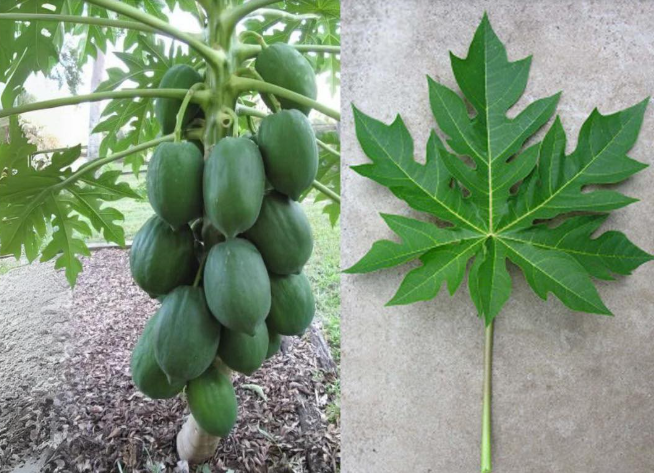
Papaya leaves come from the Carica papaya tree, a tropical plant best known for its sweet orange fruit.
The papaya tree grows in warm climates throughout:
• Central and South America
• Southeast Asia
• Africa
• parts of the Caribbean
While the fruit is widely consumed around the world, the leaves of the papaya plant have also been used in traditional herbal practices.
Papaya leaves are large, green, and deeply lobed, giving them a distinctive appearance. They contain a variety of plant compounds, enzymes, and antioxidants that have attracted interest from researchers and herbal traditions alike.
📜 Traditional Uses of Papaya Leaves
For generations, papaya leaves have been used in different cultural practices.
Traditional Herbal Preparations
In some tropical regions, papaya leaf extracts have been included in herbal preparations.
These preparations were traditionally used in small amounts as part of local wellness practices.
Digestive Support
Papaya leaves and fruit both contain enzymes that help break down proteins.
Because of this, they have historically been used in culinary and digestive preparations.
Skin and Hair Applications
In some communities, papaya leaf pastes were applied topically as part of traditional skin or hair care routines.
These practices often relied on the plant’s enzyme content and natural nutrients.
🧬 The “Secret Enzyme” in Papaya Leaves
The compound most often associated with papaya leaves is an enzyme called papain.
Papain is a proteolytic enzyme, meaning it helps break down proteins into smaller components.
Papain is actually found in several parts of the papaya plant, including:
• the fruit
• the latex
• the leaves
In the food industry, papain is sometimes used as a natural meat tenderizer because it breaks down protein fibers.
In cosmetic and skincare products, papain has been used in exfoliating formulations.
This is why papaya extracts occasionally appear in shampoos, scalp treatments, and skin products.
🔬 What Research Says About Papain and Hair
While papain has been studied for various applications, direct scientific evidence linking papaya leaf enzymes to hair growth remains limited.
However, researchers have explored several properties that may indirectly support scalp health.
1. Gentle Exfoliation
Papain can help break down dead skin cells on the scalp.
A clean scalp environment may support healthier hair conditions.
2. Protein Interaction
Because hair is primarily composed of a protein called keratin, enzymes that interact with proteins are sometimes explored in cosmetic formulations.
However, excessive protein breakdown could also damage hair if not used carefully.
3. Antioxidant Compounds
Papaya leaves contain antioxidants such as flavonoids and vitamins that contribute to overall scalp health.
4. Anti-Microbial Interest
Some laboratory studies have explored antimicrobial properties of papaya leaf extracts.
These findings may help explain traditional uses in skincare preparations.
🔥 Why Papaya Leaf Hair Treatments Are Trending
Several factors have contributed to the popularity of papaya leaf hair treatments.
Natural Beauty Movement
More people are exploring plant-based ingredients for hair and skin care.
DIY Hair Care Culture
Homemade masks, oils, and rinses have become popular online.
Interest in Enzyme-Based Skincare
Enzymes like papain are already used in cosmetic exfoliating products, which has increased curiosity about their potential uses.
Traditional Knowledge Sharing
Many social media posts highlight traditional plant-based beauty practices.
💪 Possible Benefits People Seek From Papaya Leaf Hair Treatments
Although scientific research is still developing, people experimenting with papaya leaf hair care often report goals such as:
1. Scalp Cleansing
Papaya enzymes may help remove product buildup.
2. Natural Shine
Healthy scalp conditions can contribute to shinier hair.
3. Reduced Flakiness
Some individuals use papaya leaf rinses for scalp comfort.
4. Conditioning Effect
Papaya leaf mixtures are sometimes combined with oils or aloe for conditioning.
5. Traditional Hair Care Practices
Many people explore papaya leaf treatments as part of broader natural hair care traditions.
👀 Why You Should Keep Reading (Page 2)
Understanding the science behind papaya leaf enzymes is only the beginning.
On the next page, we’ll explore:
• the safer way to try papaya leaf hair treatments
• step-by-step preparation methods
• how to combine papaya leaf with other natural ingredients
• common mistakes people make with enzyme treatments
• safety tips and precautions
• answers to frequently asked questions
Many people try enzyme-based hair treatments incorrectly and risk damaging their hair.
Let’s explore the safer approach next.