🍵 Natural Drinks That Support Respiratory Comfort
Warm beverages have long been associated with respiratory comfort. While they are not treatments for illness, many people find that warm drinks help soothe the throat, encourage hydration, and support the body’s natural cleansing processes.
Several traditional beverages are commonly enjoyed during times when people want to support their respiratory system.
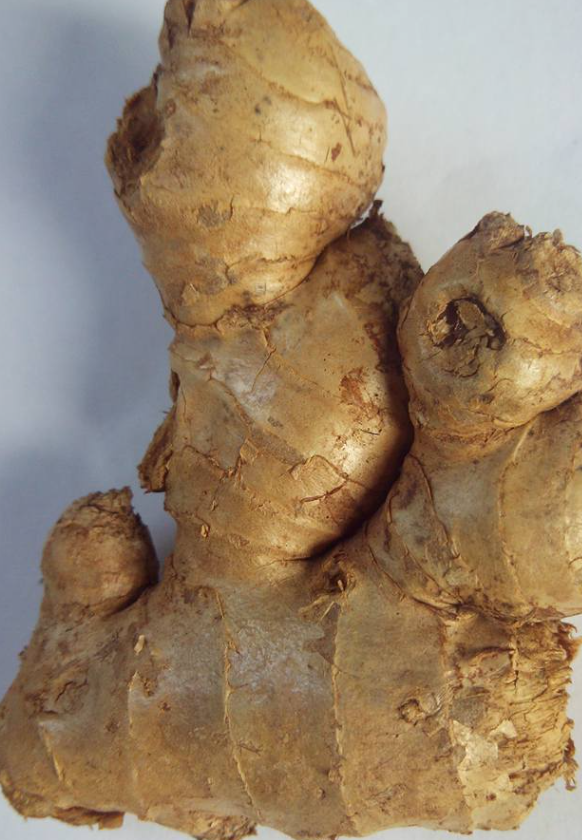
Ginger and Lemon Tea
Ginger and lemon tea is a classic wellness drink used in many cultures.
To prepare it:
1. Slice fresh ginger root.
2. Add it to a cup of hot water.
3. Squeeze fresh lemon juice into the cup.
4. Optional: add a teaspoon of honey for sweetness.
This combination provides warmth, hydration, and vitamin C from the lemon.
Turmeric Milk
Turmeric milk, sometimes called “golden milk,” is another traditional drink.
It is made by gently heating milk (or plant-based milk) with turmeric and spices such as cinnamon or black pepper.
The result is a comforting beverage often enjoyed before bedtime.
Thyme Herbal Tea
Thyme has been used historically in herbal preparations.
Thyme tea can be made by steeping dried thyme leaves in hot water for about 10 minutes.
The tea has a slightly earthy flavor and can be combined with honey or lemon.
Peppermint Tea
Peppermint tea provides a refreshing aroma and is widely consumed as a soothing herbal beverage.
Its menthol content contributes to its cooling sensation.
🫁 Simple Breathing Exercises for Lung Support
Breathing exercises can help expand the lungs and encourage efficient airflow.
Many wellness routines include gentle breathing practices that promote relaxation and oxygen exchange.
Deep Diaphragmatic Breathing
This technique encourages full lung expansion.
Steps:
1. Sit comfortably with your shoulders relaxed.
2. Inhale slowly through your nose.
3. Allow your abdomen to expand as the lungs fill with air.
4. Exhale slowly through your mouth.
Practicing this exercise for several minutes each day can help develop healthy breathing patterns.
Pursed-Lip Breathing
This technique helps control breathing rhythm.
Steps:
1. Inhale slowly through your nose.
2. Purse your lips as if blowing out a candle.
3. Exhale slowly through your pursed lips.
This method encourages slower, more controlled exhalation.
Alternate Nostril Breathing
This breathing technique is commonly practiced in yoga traditions.
It involves gently alternating airflow between the nostrils while maintaining slow, steady breaths.
Many people use it as a relaxation exercise.
🌿 Herbs Traditionally Associated With Respiratory Wellness
Throughout history, herbal traditions have included various plants believed to support breathing comfort.
Eucalyptus
Eucalyptus leaves contain aromatic oils that are often used in steam inhalation practices.
Licorice Root
Licorice root has a long history in herbal preparations.
It is sometimes used in teas designed to soothe the throat.
Mullein
Mullein leaves have traditionally been used in herbal teas associated with respiratory wellness.
Chamomile
Chamomile tea is widely known for its calming properties and soothing aroma.
⚠️ Common Mistakes That Affect Respiratory Health
Even small lifestyle habits can influence the health of the respiratory system.
Here are some common mistakes people make.
Poor Indoor Air Quality
Indoor environments can contain dust, mold, and chemical pollutants.
Regular cleaning and ventilation can improve air quality.
Dehydration
Inadequate water intake can cause mucus to become thicker, making it harder for the body to clear irritants.
Sedentary Lifestyle
Physical inactivity may reduce lung capacity over time.
Regular movement encourages deeper breathing.
Ignoring Seasonal Allergies
Untreated allergies can lead to irritation in the respiratory tract.
Managing environmental triggers can help reduce symptoms.
🛡 Safety and Precautions
Natural wellness practices can support general health, but they should never replace professional medical care.
Anyone experiencing persistent respiratory symptoms such as:
• prolonged coughing
• difficulty breathing
• chest pain
• unexplained fatigue
should consult a qualified healthcare professional.
Certain herbs may also interact with medications or health conditions, so professional guidance is always advisable when introducing new herbal products.
❓ Frequently Asked Questions
1. Can foods clean the lungs?
Foods cannot “clean” the lungs directly, but a nutritious diet supports immune function and overall respiratory health.
2. How much water should be consumed daily for respiratory health?
Hydration needs vary, but many adults benefit from around 6–8 glasses of water per day.
3. Are herbal teas good for breathing comfort?
Warm herbal teas can provide hydration and soothing warmth, which many people find comforting.
4. Does exercise improve lung function?
Regular physical activity encourages deeper breathing and supports cardiovascular and respiratory fitness.
5. Is steam inhalation safe?
Steam inhalation is a common traditional practice, but caution should be taken to avoid burns from hot water.
6. Can breathing exercises reduce stress?
Yes. Slow breathing exercises activate relaxation responses in the body.
🌟 Final Thoughts: Supporting Respiratory Health Naturally
The respiratory system works tirelessly every moment of our lives, delivering oxygen to every cell in the body.
Although the lungs have their own natural defense systems, daily lifestyle choices can influence how effectively they function.
Simple habits—such as staying hydrated, eating nutrient-rich foods, maintaining clean air environments, and practicing breathing exercises—can help support respiratory comfort and immune resilience.
Herbal traditions and warm beverages also provide soothing rituals that encourage relaxation and hydration.
However, the most important principle is balance.
Healthy breathing depends not on a single remedy but on **consistent, supportive lifestyle habits**.
By combining nourishing foods, clean air, regular movement, and mindful breathing, we can create an environment where the respiratory system continues to function at its best—helping us breathe easier every day.