🧄 Garlic Kills 14 Types of Bacteria and 13 Types of Infections? The Science, History, and Health Benefits of Nature’s Powerful Remedy
Garlic has been praised for thousands of years as one of the most powerful natural remedies known to humanity. From ancient healers in Egypt to modern nutrition experts, this humble kitchen ingredient has built a reputation as a natural defender against illness. You may have seen claims circulating online saying that **garlic can kill 14 types of bacteria and 13 types of infections**.
But is that claim really true? Or is it an exaggeration of garlic’s real benefits?
The truth is fascinating.
Modern research has shown that garlic contains **remarkable antimicrobial compounds** that can help fight bacteria, fungi, and other microbes. While the exact numbers in viral posts can be misleading, scientists do agree that garlic has **powerful natural protective properties** that may support the immune system and overall health.
In this deep dive, we’ll explore:
* Why garlic has been used as medicine for thousands of years
* The compounds that give garlic its antimicrobial power
* The health benefits scientists are studying today
* How traditional cultures used garlic to fight infections
* Why people are talking about garlic again in modern wellness circles
By the end of this article, you’ll understand why garlic is often called **“nature’s antibiotic”** — and why researchers continue to study its incredible potential.
🧄 What Exactly Is Garlic?
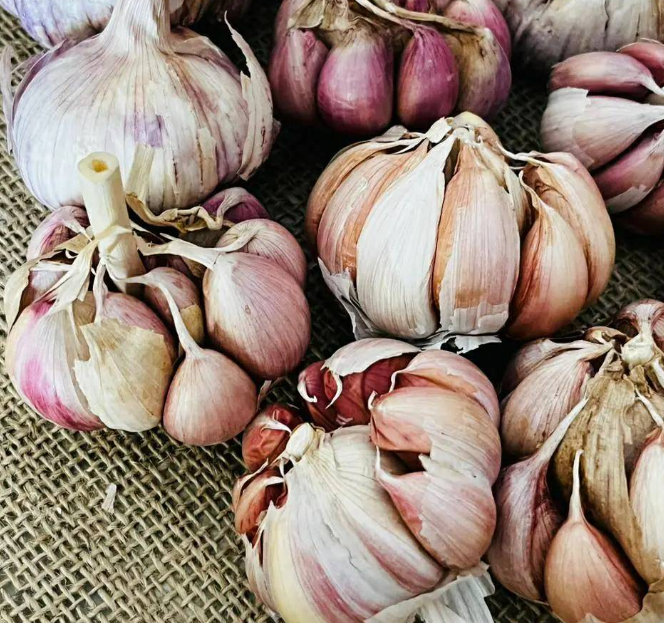
Garlic (Allium sativum) is a plant belonging to the same family as onions, leeks, and shallots. It grows underground as a bulb composed of several cloves, each packed with nutrients and bioactive compounds.
Although most people think of garlic as simply a **flavor enhancer in cooking**, its medicinal history is far more impressive.
Garlic contains:
* Sulfur compounds
* Antioxidants
* Trace minerals
* Vitamins such as B6 and C
* Plant compounds with antimicrobial properties
These compounds are released especially when garlic is **crushed, chopped, or chewed**, which triggers a chemical reaction that creates its most famous active ingredient: **allicin**.
Allicin is responsible for garlic’s strong smell — and many of its health-supporting properties.
📜 The Ancient History of Garlic as Medicine
Long before laboratories existed, ancient civilizations had already discovered garlic’s powerful effects.
🏺 Ancient Egypt
Garlic was so valued in ancient Egypt that it was mentioned in the **Ebers Papyrus**, one of the oldest medical texts in the world.
Workers building the pyramids reportedly consumed garlic regularly because it was believed to:
* Increase strength
* Improve stamina
* Protect against disease
Garlic cloves were even placed in tombs as offerings.
🏛 Ancient Greece and Rome
Greek athletes used garlic before competitions, believing it improved endurance and performance.
Roman soldiers were also given garlic before battles. It was thought to **boost courage and protect against illness during campaigns**.
🌏 Traditional Asian Medicine
In traditional Chinese and Indian medicine, garlic was used for:
* Digestive problems
* Parasites
* Respiratory conditions
* General immune support
Ayurvedic texts describe garlic as a warming herb that helps balance the body and improve vitality.
🧪 Why Garlic Is Getting Attention Again Today
In recent decades, scientists have become increasingly interested in **plant-based compounds that may help support health**.
One reason garlic has gained attention is because of **growing concerns about antibiotic resistance**. Some bacteria are becoming harder to treat with conventional medications, which has led researchers to explore natural antimicrobial compounds.
Garlic has repeatedly appeared in laboratory studies because of its **broad antimicrobial activity**.
Research suggests that compounds in garlic may show activity against certain:
* Bacteria
* Fungi
* Parasites
* Some viruses in laboratory settings
However, it’s important to note that **lab results don’t always translate directly to human treatment**. Garlic should never replace professional medical care, but it may support general wellness.
🧬 The Key Compounds That Give Garlic Its Power
Garlic’s benefits largely come from its **unique sulfur compounds**.
1. Allicin
Allicin is the most famous compound in garlic.
It forms when garlic cloves are crushed and an enzyme called **alliinase** converts alliin into allicin.
Researchers believe allicin contributes to garlic’s:
* Antibacterial properties
* Antioxidant activity
* Potential immune-supporting effects
However, allicin is unstable and breaks down quickly, which is why **fresh garlic is often considered the most potent form**.
2. Diallyl Sulfides
These sulfur compounds may contribute to garlic’s potential:
* Antimicrobial properties
* Anti-inflammatory effects
* Cardiovascular support
3. Ajoene
Ajoene forms from allicin and is being studied for its potential effects on microbes and blood circulation.
4. S-allyl cysteine
This compound is found in **aged garlic extract**, a popular supplement form.
Researchers are studying it for antioxidant and heart health benefits.
💪 10 Remarkable Health Benefits of Garlic
Let’s explore some of the main benefits that researchers and traditional medicine practitioners associate with garlic.
1. Natural Antimicrobial Properties
Garlic is widely known for its **natural antimicrobial activity**.
Laboratory studies have shown that garlic compounds may inhibit the growth of certain microbes under controlled conditions.
This is where many viral claims like “14 bacteria and 13 infections” originate. While the exact numbers vary across studies, garlic has shown activity against several microbes in laboratory environments.
2. Immune System Support
Garlic contains antioxidants and sulfur compounds that may help support the immune system.
Some studies suggest that regular garlic consumption may help the body respond more effectively to common seasonal illnesses.
3. Heart Health Support
Garlic has been studied for its possible effects on cardiovascular health.
Researchers are investigating whether garlic may help support:
* Healthy cholesterol levels
* Blood pressure balance
* Circulatory function
4. Rich Source of Antioxidants
Garlic contains antioxidants that help protect cells from oxidative stress.
Oxidative stress is linked to aging and various chronic conditions.
5. Digestive Health
In traditional medicine, garlic has been used to support digestion and gut balance.
Its natural compounds may help maintain a healthy microbial environment in the digestive tract.
6. Anti-Inflammatory Properties
Chronic inflammation plays a role in many health issues.
Garlic contains compounds that researchers believe may have **anti-inflammatory potential**.
7. Respiratory Support
Historically, garlic has been used for respiratory concerns.
Many cultures prepared garlic-based remedies for coughs, congestion, and seasonal illnesses.
8. Skin Health
Some traditional remedies used garlic for minor skin issues because of its antimicrobial properties.
However, applying raw garlic directly to the skin can cause irritation, so caution is advised.
9. Metabolic Health
Some research suggests garlic may help support healthy metabolism and blood sugar balance when included as part of a balanced diet.
10. Nutrient Density
Despite its small size, garlic provides:
* Vitamin B6
* Vitamin C
* Selenium
* Manganese
* Fiber
🌎 Traditional Uses of Garlic Around the World
Across cultures, garlic has been considered both **food and medicine**.
Mediterranean traditions
Garlic is a staple in Mediterranean diets, which are often associated with longevity and heart health.
Eastern Europe
Garlic has historically been used in soups and tonics believed to support immunity during winter.
India
In Ayurvedic traditions, garlic is valued for its warming properties and ability to stimulate digestion.
China
Traditional Chinese medicine uses garlic to help balance internal energy and support respiratory health.
🔬 Scientific Research: What Studies Are Exploring
Modern researchers are investigating garlic’s bioactive compounds for potential roles in:
* Microbial inhibition
* Antioxidant activity
* Immune modulation
* Cardiovascular health
Laboratory studies have shown that garlic extracts may influence certain microbes in controlled environments. However, researchers emphasize that **more human studies are needed** to fully understand its real-world effects.
This is why garlic should be viewed as **a supportive food rather than a medical cure**.
🤔 So Does Garlic Really Kill 14 Bacteria and 13 Infections?
The claim likely originates from **summaries of multiple laboratory studies** showing garlic’s activity against various microbes.
However:
* The exact numbers vary depending on the study
* Many tests occur in laboratory conditions
* Garlic is not a replacement for medical treatment
What scientists do agree on is that garlic contains **compounds with notable antimicrobial activity**, which is why it continues to be studied today.
👀 Why You Should Keep Reading (Page 2)
Garlic’s story doesn’t end with its history and science.
On the next page, we’ll explore:
* The **best ways to prepare garlic** for maximum benefits
* How to create traditional garlic remedies
* The **most effective daily garlic routines**
* Mistakes people make when using garlic
* Safety tips and precautions
* Answers to the most common garlic health questions
Many people use garlic incorrectly and **miss out on its full potential**.
Let’s fix that.