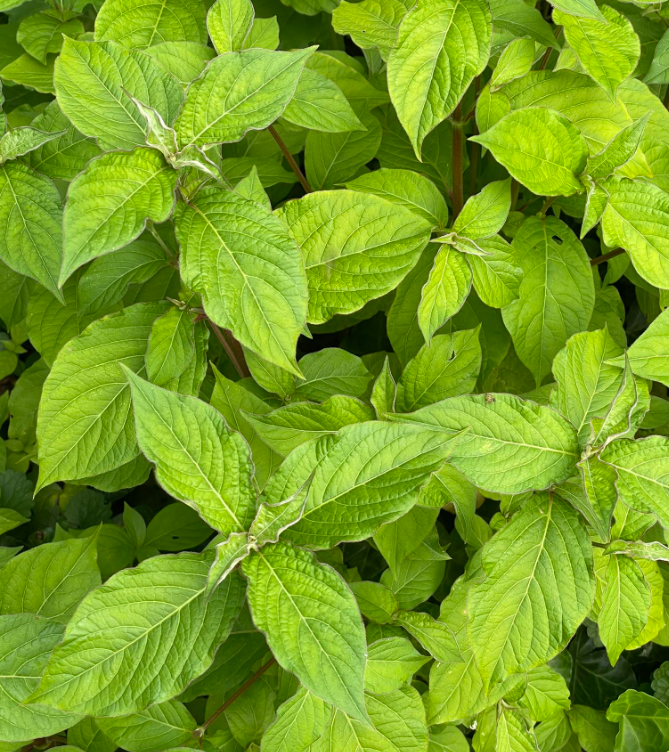
🍵 A Natural Tea Many Men Use for Prostate Health: The Complete Guide to Supporting Prostate Wellness Naturally
As men get older, conversations about prostate health become increasingly common. Yet despite how important the prostate gland is, many people don’t fully understand how it works or what lifestyle habits can support its wellness.
Among the many natural approaches discussed in traditional health circles, **herbal teas have long been used to support men’s wellness**, including prostate health. One particular tea has gained attention in recent years for its potential supportive properties.
This tea comes from a plant that grows wild in many parts of the world and has been used in traditional herbal practices for centuries.
It’s called **stinging nettle tea**.
While it may sound surprising that a plant known for its “sting” could be turned into a soothing beverage, stinging nettle has been valued in herbal traditions for generations. Today, many men include nettle tea in their routines as part of a broader lifestyle focused on wellness and balanced nutrition.
In this guide, we’ll explore:
• what the prostate gland does
• why prostate health becomes important with age
• the history of stinging nettle in traditional herbal medicine
• the plant compounds found in nettle tea
• potential wellness benefits researchers are studying
• how to prepare nettle tea safely at home
By the end of this article, you’ll understand why this simple herbal tea has attracted interest from both traditional herbalists and modern researchers.
🧬 Understanding the Prostate Gland
The prostate is a small gland that is part of the male reproductive system. It sits just below the bladder and surrounds the urethra, the tube that carries urine out of the body.
Although the prostate is relatively small—about the size of a walnut—it plays an important role in reproductive health.
Its primary function is to produce fluid that becomes part of semen. This fluid helps protect and transport sperm during reproduction.
However, as men age, the prostate may naturally change in size and function. Many men begin paying closer attention to prostate health later in life as part of maintaining overall well-being.
Lifestyle factors such as diet, exercise, and stress management can all play roles in supporting healthy aging.
📜 The History of Herbal Teas for Men’s Health
Herbal teas have been part of traditional wellness systems for thousands of years.
Across different cultures, people have relied on plants to create soothing beverages believed to support various aspects of health.
European Herbal Traditions
In many European traditions, herbalists prepared teas from local plants to support digestion, circulation, and general vitality.
Stinging nettle was commonly used because it grows abundantly in temperate climates and contains a variety of nutrients.
Traditional Asian Medicine
In some Asian traditions, herbal teas were used to maintain internal balance and support organ function.
Plants with mineral-rich leaves were often included in tonics and soups.
Folk Remedies
In rural communities around the world, herbal teas were frequently used as simple home remedies because they were affordable and easy to prepare.
Stinging nettle was often harvested in spring when its young leaves were tender and nutrient-rich.
🌿 What Is Stinging Nettle?
Stinging nettle (Urtica dioica) is a plant that grows in many regions of Europe, Asia, North America, and North Africa.
Its leaves are covered in tiny hair-like structures that release mild irritants when touched, creating the well-known “sting.”
However, once the plant is dried or cooked, these stinging compounds are neutralized.
For centuries, nettle leaves have been used in:
• herbal teas
• soups and broths
• traditional tonics
• natural wellness preparations
The plant is valued not only for its historical uses but also for its impressive nutrient profile.
🧪 Nutrients and Compounds Found in Nettle Tea
Stinging nettle leaves contain a variety of naturally occurring compounds that contribute to their reputation as a nutritious plant.
Some of these include:
• vitamins A, C, and K
• B vitamins
• minerals such as iron, magnesium, and calcium
• plant compounds called polyphenols
• antioxidants
These nutrients are one reason nettle has been used historically as a **nutrient-dense herbal tea**.
Researchers have also explored compounds in nettle that may interact with certain biological pathways involved in inflammation and hormone metabolism.
However, more research is still needed to fully understand these effects.
🔥 Why Nettle Tea Is Being Discussed for Prostate Wellness
Interest in nettle tea for prostate health often focuses on the **root of the plant**, which has been studied in herbal medicine traditions.
Some research has explored whether compounds in nettle root may interact with enzymes involved in hormone metabolism.
This has led to discussions about its potential role in supporting prostate wellness.
It’s important to note that herbal teas should not replace medical advice or treatment. However, many people enjoy nettle tea as part of a broader lifestyle focused on balanced nutrition and healthy aging.
💪 Potential Wellness Benefits of Nettle Tea
Beyond prostate discussions, nettle tea has been traditionally used for several aspects of general wellness.
1. Nutritional Support
Nettle leaves contain vitamins and minerals that contribute to overall nutrition.
2. Antioxidant Content
The plant contains compounds that help protect cells from oxidative stress.
3. Traditional Circulatory Support
Herbal traditions often used nettle tonics to support healthy circulation.
4. Seasonal Wellness
Some people drink nettle tea during seasonal transitions as part of general wellness routines.
5. Digestive Comfort
Herbal teas in general are often used to promote digestive comfort and hydration.
6. Mineral Intake
Nettle leaves are naturally rich in minerals, which may contribute to balanced nutrition.
7. Herbal Tradition for Men’s Health
In certain herbal traditions, nettle root preparations have been associated with men’s wellness practices.
8. Hydration and Relaxation
Like many herbal teas, nettle tea provides hydration while offering a calming ritual.
🌍 Traditional Uses of Nettle Around the World
Stinging nettle has been used in many cultures.
In Europe, nettle soup has long been a traditional spring dish.
In parts of Asia, the plant has been used in herbal broths and tonics.
Native American traditions also used nettle for fiber, food, and herbal preparations.
These diverse uses highlight the plant’s long-standing importance in human history.
👀 Why You Should Keep Reading (Page 2)
Understanding nettle tea’s history and potential benefits is just the beginning.
On the next page, we’ll explore:
• how to prepare nettle tea at home
• the best daily routines for drinking it
• other herbs often used alongside nettle
• common mistakes people make when brewing herbal teas
• safety tips and precautions
• answers to the most common questions about prostate-supportive teas
Many people prepare herbal teas incorrectly and miss out on their full flavor and benefits.
Let’s continue.