🥒 How to Make Chayote Juice at Home
The beauty of chayote juice is that it requires very little to become refreshing and enjoyable. You do not need advanced equipment, fancy supplements, or a long ingredient list. In its simplest form, chayote juice is just fresh chayote blended with water and served cold. But with a few thoughtful additions, it can become a far more vibrant part of your daily wellness routine.
The first step is choosing the right chayote. Look for one that is firm, fresh, and pale green without soft spots or shriveled skin. A good chayote should feel crisp and heavy for its size. Older chayote can become tougher and less pleasant in raw preparations, so freshness matters.
Next comes preparation. Wash the chayote well, peel it if desired, and remove the central seed if you prefer a smoother result. Some people blend the seed too if it is tender, but many prefer to discard it for texture reasons. Because chayote is mild and watery, it works especially well when chilled before blending.
Some recipes call for juicing, while others rely on blending and straining. Blending is often the more practical option at home because it preserves more body and can leave a little fiber in the drink. If you want a thinner, more elegant juice, you can always strain it afterward.
🛒 Basic Ingredients for a Simple Chayote Juice
A very basic version usually includes one medium chayote, cold water, and optional lemon juice. That is enough to create a clean, refreshing beverage. From there, you can build according to taste. Cucumber adds more freshness. Green apple adds gentle sweetness. Celery adds a savory wellness-drink feel. Ginger adds warmth. Mint adds lift.
The goal is not to bury the chayote, but to help it shine. Because chayote is subtle, a little support goes a long way.
👩🍳 Step-by-Step Instructions for the Best Chayote Juice
🥄 Step 1: Wash and Prepare the Chayote
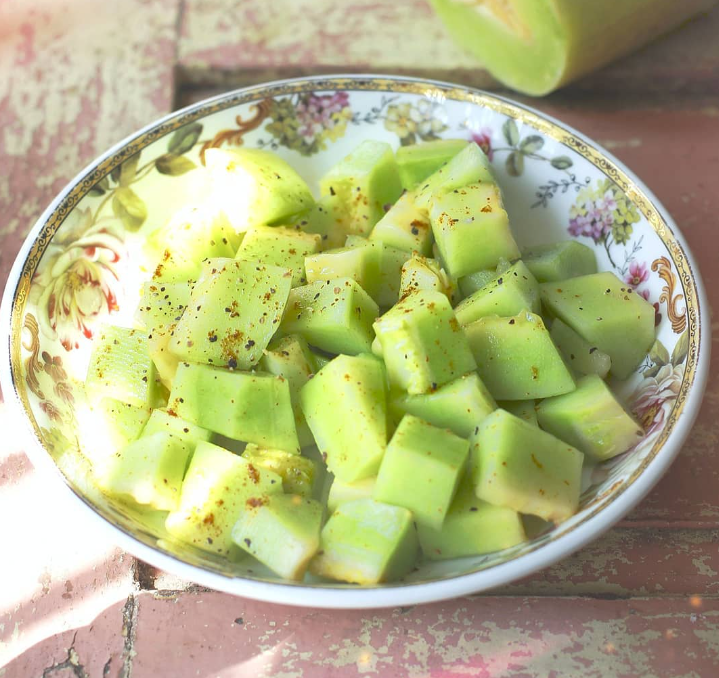
Rinse the chayote thoroughly under clean water. Peel the skin if you want a smoother flavor and texture. Slice it in half, remove the seed if desired, and chop the flesh into cubes. Smaller pieces blend more easily and help create a smoother consistency.
💧 Step 2: Add Water and Blend
Place the chopped chayote in a blender with cold water. Start with less water than you think you need. Chayote already contains a lot of moisture, so the drink can become watery too quickly if you overdo it. Blend until smooth.
🍋 Step 3: Brighten the Flavor
Add a little fresh lemon or lime juice. This is often the detail that transforms the drink from bland to refreshing. The acidity gives chayote juice structure and makes its mild flavor feel lively rather than flat.
🌿 Step 4: Customize with Supporting Ingredients
At this point, you can add a few mint leaves, a slice of cucumber, a small piece of ginger, or half a green apple if you want more character. Keep additions light. Chayote juice is most enjoyable when it still tastes clean and delicate.
🫗 Step 5: Strain if You Prefer
If you want a thinner, smoother juice, pour the blend through a fine sieve or mesh strainer. If you enjoy more body, leave it as is. Both styles work. The best choice depends on whether you want something closer to a light smoothie or a classic juice.
🧊 Step 6: Serve Cold
Pour the juice into a chilled glass and serve immediately. Chayote juice is at its best when fresh. A few ice cubes can make it even more refreshing, especially in warm weather or after physical activity.
⏰ Best Times to Drink Chayote Juice
One of the reasons chayote juice fits so well into wellness routines is that it can be enjoyed at several points in the day. The right time depends on your goals, appetite, and overall eating style.
In the morning, chayote juice can be a gentle way to start the day. Its lightness makes it appealing for people who do not want a heavy breakfast right away. It works especially well alongside a more balanced meal with protein and fiber, rather than replacing food entirely.
Mid-morning is another excellent time. This is when many people reach for sugary coffee drinks, packaged juices, or random snacks. A fresh glass of chayote juice can provide a cooling reset that feels cleaner and more intentional.
In the afternoon, it can be helpful as a lighter alternative to soft drinks or sweet treats. Because it is hydrating and low in calories, it fits nicely into weight-conscious routines without feeling punishing.
Some people also enjoy chayote juice after exercise, especially when they want something fresh and easy rather than heavy. While it is not a full recovery drink on its own, it can be a pleasant part of a broader post-movement refreshment strategy.
🗓️ Best Daily Routines for Detox, Heart Health, and Weight Loss Goals
When people use chayote juice intentionally, they usually fall into one of three goals: wanting to feel lighter, wanting to support a healthier eating pattern, or wanting better beverage habits. In each case, routine matters more than hype.
For detox-style routines, chayote juice works best when paired with the basics: enough water, regular meals built around whole foods, less ultra-processed food, and good sleep. In this context, the juice is not a cleanse. It is a fresh habit that helps reinforce cleaner choices.
For heart-conscious lifestyles, the juice can be part of a produce-rich meal plan that also includes vegetables, beans, oats, nuts, seeds, healthy fats, and sensible sodium awareness. Chayote juice is most valuable here when it replaces sugary or heavily processed drinks.
For weight-loss routines, consistency and context are everything. Chayote juice can be a great addition to breakfast, a mid-morning reset, or a pre-meal drink that helps you feel refreshed without adding many calories. But it should not become an excuse to ignore the larger picture. Sustainable weight management still depends on balanced meals, movement, sleep, and realistic habits.
A practical weekly routine might include chayote juice three or four times a week rather than forcing it daily. That keeps the habit enjoyable and gives room for variety, which is always a wise approach in nutrition.
🌟 Additional Benefits of Chayote Juice You Should Not Overlook
One major advantage of chayote juice is its affordability compared with many trendy wellness drinks. A lot of popular juices and bottled “detox” blends are expensive, especially when used regularly. Chayote, by contrast, is often inexpensive where available, which makes the habit easier to maintain. This matters more than people realize. The best health habits are usually the ones you can continue.
Another overlooked benefit is how beginner-friendly it is. Strong green juices can be intimidating for people new to vegetable-based drinks. Chayote juice is softer and easier to like, which makes it a useful entry point into cleaner beverage habits.
It also works well seasonally. In hot weather, it feels cooling and refreshing. In times when heavier foods feel less appealing, it offers a clean option that still feels nourishing. This flexibility helps it stay relevant through changing routines and climates.
There is also a psychological benefit. Drinking something homemade and fresh can create momentum. One better choice often leads to another. A person who begins the day with chayote juice may be more likely to choose a healthier lunch, drink more water, or skip an unnecessary sugary beverage later. Small rituals can shape larger behavior.
🏃 Lifestyle Tips That Make Chayote Juice Work Better
Chayote juice is strongest when it supports a lifestyle, not when it is expected to carry one. That means pairing it with habits that actually create health and vitality over time.
Start with meal quality. Use chayote juice to complement balanced meals rather than compensate for poor ones. A produce-rich drink works much better when the rest of the day also includes real food.
Keep hydration steady. Chayote juice can support hydration, but it should not replace water altogether. The two work best together.
Move your body regularly. Even light daily movement can improve how energized and comfortable you feel. A fresh juice after a walk or workout often feels especially rewarding.
Pay attention to sleep. Many people chase energy through drinks while ignoring rest. No natural juice can fully compensate for poor sleep, so it helps to see chayote juice as part of an energy-supportive routine, not a substitute for recovery.
Finally, stay realistic. A drink becomes sustainable when it feels pleasant, flexible, and pressure-free. Chayote juice does not need to be perfect. It just needs to be useful often enough to become part of your rhythm.
⚠️ Common Mistakes People Make with Chayote Juice
The first mistake is expecting chayote juice to taste like fruit juice. It is a mild vegetable-based drink. When people approach it expecting sweetness, they may feel disappointed. It is better to think of it as fresh and clean rather than sweet and indulgent.
The second mistake is adding too many ingredients. Because chayote is subtle, it can easily disappear beneath strong flavors. Too much ginger, too much celery, too much apple, or too many herbs can turn the juice into something unbalanced. Start simple and build gradually.
Another common mistake is making it too watery. Chayote already contains a lot of moisture, so extra water should be added carefully. A slightly fuller texture usually tastes better and feels more satisfying.
Some people also make the mistake of using the juice to skip meals repeatedly. That approach may feel productive for a day or two, but it is rarely sustainable. Chayote juice is most helpful when it supports smarter eating, not when it replaces nourishment.
A final mistake is assuming “detox” means instant visible results. What people often notice instead is something gentler: feeling more refreshed, drinking less sugar, and becoming more consistent with healthy habits. That is still valuable, even if it is less dramatic than online promises.
🛡️ Safety and Sensible Precautions
Chayote juice is generally approached as a light homemade beverage, but common-sense precautions still matter. Wash the chayote thoroughly before preparing it, especially if you are using it raw. Use clean utensils and drink the juice fresh, or refrigerate it briefly if needed.
Some people may find raw vegetable juices do not suit their digestion in large amounts, so moderation is a smart starting point. If you are trying chayote juice for the first time, a smaller serving may be a good idea.
It is also important to keep expectations grounded. Chayote juice should not be treated as a medical remedy or as a replacement for professional care. People with specific dietary restrictions, kidney concerns, or other health conditions should think about how any new drink fits into their overall plan.
As always, the safest and most useful mindset is balance. Chayote juice can be a smart, fresh addition to a healthy routine, but variety across fruits, vegetables, proteins, grains, and other whole foods remains essential.
❓ Frequently Asked Questions About Chayote Juice
1. What does chayote juice taste like?
Chayote juice has a very mild, fresh, and slightly watery taste. It is not strongly sweet or bitter. Most people describe it as clean and refreshing, especially when paired with lemon or cucumber.
2. Can I drink chayote juice every day?
Many people can enjoy it regularly as part of a varied diet, but variety is always a good idea. Rotating different vegetable and fruit drinks through the week helps keep nutrition balanced and habits interesting.
3. Is chayote juice good for weight loss?
It may fit well into weight-loss routines because it is low in calories and can replace higher-calorie beverages. It works best as part of an overall balanced lifestyle rather than as a quick fix.
4. Can chayote juice really detox the body?
A more realistic way to say it is that chayote juice may support your body’s natural processes by encouraging hydration and healthier beverage habits. It is best seen as part of a wholesome routine rather than a miracle detox.
5. Should I peel chayote before juicing it?
Many people do peel it for a smoother result, though some blend it with the skin after washing well. Peeling is often the easier choice if you want a gentler flavor and texture.
6. Can I mix chayote juice with other ingredients?
Yes. Lemon, cucumber, mint, green apple, celery, and ginger are among the most common additions. Keep the mix simple so the drink stays fresh and balanced.
7. Is it better to blend or juice chayote?
Blending is often easier at home and can keep a bit more body in the drink. Juicing creates a thinner texture. Both methods work, so the best option depends on your preference.
8. Can I store chayote juice for later?
It is best enjoyed fresh, but it can be refrigerated for a short time if needed. The flavor is usually brightest right after preparation.
🏁 Expert-Style Conclusion: Why Chayote Juice Deserves More Attention
Chayote juice is the kind of wellness drink that quietly earns loyalty. It does not rely on dramatic flavor, aggressive branding, or impossible promises. Instead, it offers something more durable: freshness, lightness, affordability, and an easy place in everyday healthy living. That may be exactly why it keeps spreading from kitchen to kitchen and from conversation to conversation.
Its appeal becomes even clearer when viewed through the lens of modern habits. Many people want to drink less sugar, feel less weighed down, bring more vegetables into their day, and build routines they can actually sustain. Chayote juice answers all of those needs in a gentle way. It may help detox-style routines by supporting hydration and cleaner choices. It may support heart-friendly habits by replacing heavier processed drinks. It may also help with weight-loss goals by fitting naturally into lower-calorie, produce-rich meal patterns.
What makes it especially valuable is that it does not ask for perfection. It can be simple or customized. It can be part of breakfast, a mid-morning reset, or an afternoon refreshment. It can be blended with lemon for brightness or left almost plain for purity. That flexibility turns it from a one-time idea into a realistic habit.
Most importantly, chayote juice reminds us that health often grows from ordinary ingredients used consistently. We do not always need a rare superfood or a complicated protocol. Sometimes we need a vegetable sitting quietly at the market, waiting to be noticed in a new way. Chayote is exactly that kind of ingredient.
For readers looking for a natural drink that feels clean, practical, and supportive of a healthier lifestyle, chayote juice is more than worthy of a place in the conversation. It is refreshing proof that simple choices can still feel powerful.