🍵 How to Prepare Fig Leaf Tea at Home
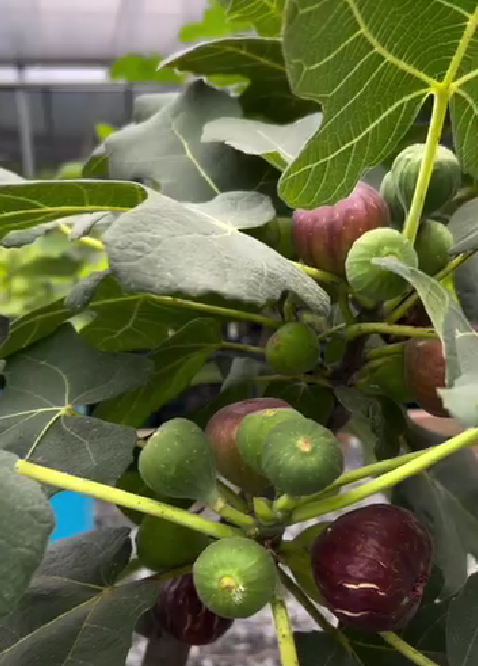
One of the most common and traditional ways to use fig leaves is by preparing fig leaf tea.
This simple herbal infusion allows the plant’s natural compounds to gently release into warm water, creating a mild and aromatic beverage.
Preparing fig leaf tea is surprisingly easy and requires only a few ingredients.
🌿 Ingredients
• 1–2 fresh fig leaves (or 1 tablespoon dried fig leaves)
• 2 cups of water
• Optional: honey or lemon for flavor
🥄 Step-by-Step Instructions
Step 1: Wash the leaves thoroughly.
Step 2: Cut the leaves into smaller pieces to help release their natural compounds.
Step 3: Bring two cups of water to a gentle boil.
Step 4: Add the fig leaf pieces to the water.
Step 5: Reduce the heat and let the mixture simmer for about 10–15 minutes.
Step 6: Remove from heat and allow the tea to cool slightly.
Step 7: Strain the tea and add honey or lemon if desired.
Many people enjoy drinking one cup per day as part of a relaxing herbal routine.
🥗 Other Natural Ways to Use Fig Leaves
Besides tea, fig leaves can be used in several interesting ways.
🍲 Cooking with Fig Leaves
Fig leaves are sometimes used as a natural wrapper for food.
Fish, rice, and vegetables can be wrapped in fig leaves and grilled or steamed, which adds a subtle aroma.
🌿 Herbal Baths
Some people add boiled fig leaves to bath water for a relaxing herbal soak.
🍃 Infused Drinks
Fig leaves can also be used to flavor milk, syrups, or herbal beverages.
🌞 A Simple Daily Wellness Routine with Fig Leaves
If you’re curious about incorporating fig leaves into your lifestyle, a gentle routine might look like this:
Morning
• Drink a warm cup of fig leaf tea.
Afternoon
• Stay hydrated and eat balanced meals rich in vegetables and whole foods.
Evening
• Enjoy herbal tea or relaxing plant-based beverages.
The goal is not to rely on a single ingredient but to create a balanced routine that includes natural foods and healthy habits.
🌱 Lifestyle Habits That Support the Benefits of Fig Leaves
Herbal ingredients work best when paired with supportive lifestyle habits.
Consider these simple tips.
🥗 Focus on Whole Foods
Meals rich in vegetables, fruits, and whole grains help support digestion and overall health.
🚶 Stay Active
Daily movement such as walking or stretching helps maintain metabolic balance.
💧 Drink Enough Water
Hydration supports digestion and nutrient absorption.
😴 Prioritize Rest
Good sleep is essential for maintaining energy and wellness.
⚠️ Common Mistakes When Using Fig Leaves
Although fig leaves are natural, they should still be used carefully.
Using Too Many Leaves
Start with small amounts when preparing tea.
Not Washing Leaves Properly
Always rinse leaves to remove dust or insects.
Expecting Instant Results
Herbal routines work gradually over time.
🛡️ Safety and Precautions
While fig leaves have been used traditionally for centuries, it is important to follow a few safety guidelines.
• Use only properly identified fig leaves.
• Avoid consuming very large quantities.
• People with plant allergies should use caution.
• Consult a healthcare professional before using herbal remedies if you have medical conditions.
This information is intended for educational purposes and should not replace medical advice.
❓ Frequently Asked Questions
1. Can fig leaves be eaten raw?
They are usually consumed as tea or cooked rather than eaten raw.
2. How often can fig leaf tea be consumed?
Many people drink one cup daily as part of a balanced routine.
3. Can dried fig leaves be used?
Yes. Dried leaves work well for making herbal tea.
4. Do fig leaves taste sweet?
They have a mild herbal flavor with a slightly coconut-like aroma.
5. Can fig leaves help with digestion?
Traditional herbal practices often use fig leaf tea to support digestive comfort.
6. Can I grow a fig tree at home?
Yes. Fig trees grow well in many warm climates and gardens.
🌟 Final Thoughts: Rediscovering the Hidden Value of Fig Leaves
Nature has always provided plants with remarkable properties, and fig leaves are a perfect example.
Although they may appear ordinary, these leaves have been valued in traditional practices for centuries.
From herbal teas to culinary uses, fig leaves offer a fascinating way to explore natural wellness and reconnect with plant-based traditions.
While they are not a replacement for healthy habits or professional medical care, fig leaves can be a simple and natural addition to a balanced lifestyle.
Sometimes, the most interesting wellness discoveries aren’t new inventions.
They’re ancient traditions waiting to be rediscovered. 🍃