🍲 How to Prepare Cassava (Yuca) Safely
Preparing cassava correctly is the most important step in making it safe to eat.
Fortunately, traditional cooking methods effectively remove the natural compounds that can cause problems when cassava is raw.
Here is a simple method commonly used in many kitchens.
Step-by-Step Preparation
Step 1: Peel the cassava root completely.
The thick brown skin and pinkish inner layer should be removed.
Step 2: Rinse the peeled cassava thoroughly under clean water.
Step 3: Cut the root into medium-sized chunks.
Step 4: Place the pieces in a pot of water.
Step 5: Bring the water to a boil and cook for about 20–30 minutes.
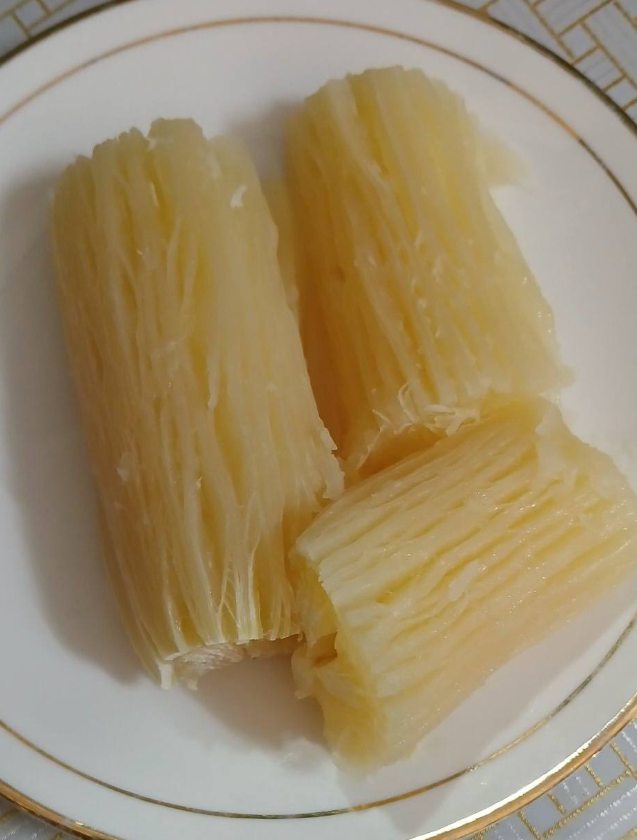
Step 6: Ensure the cassava becomes soft and tender.
Step 7: Drain the water and allow it to cool slightly before serving.
Proper cooking helps break down the compounds found in raw cassava.
🍽️ Popular Ways to Cook Cassava
Cassava can be used in many delicious recipes.
Boiled Cassava
This is one of the most common methods. The boiled root can be served with sauces or grilled foods.
Fried Cassava
Boiled cassava pieces can be fried to create crispy snacks similar to fries.
Cassava Flour
The root can be dried and ground into flour used for baking and cooking.
Traditional Dishes
In many cultures, cassava is used to make traditional foods like fufu, tapioca, and cassava bread.
🌿 Tips for Including Cassava in a Balanced Diet
Cassava can be part of a healthy meal when paired with other nutrient-rich foods.
Consider combining cassava with:
• lean proteins such as fish or beans
• vegetables rich in vitamins and minerals
• healthy fats like avocado or olive oil
This combination helps create balanced meals that provide a wider range of nutrients.
⚠️ Common Mistakes People Make with Cassava
Avoiding these mistakes can help reduce potential risks.
Eating Raw Cassava
Raw cassava should never be eaten because it contains natural compounds that can be harmful.
Undercooking the Root
Cassava must be fully cooked to soften and neutralize its compounds.
Ignoring Proper Storage
Fresh cassava should be stored properly and used soon after purchase.
🛡️ Safety and Precautions
For most people, cassava is safe when prepared properly.
However, certain precautions are important.
• Always peel cassava thoroughly.
• Cook it completely before eating.
• Avoid consuming raw cassava products.
This information is provided for educational purposes and should not replace professional medical advice.
❓ Frequently Asked Questions
1. Is cassava the same as yucca?
Cassava (yuca) is a root vegetable. Yucca is a different plant species often used as an ornamental plant.
2. Is cassava healthier than potatoes?
Both foods provide energy and nutrients. Their nutritional profiles differ slightly.
3. Can cassava be eaten every day?
Many cultures include cassava regularly as part of balanced diets.
4. Is cassava flour gluten-free?
Yes. Cassava flour is naturally gluten-free.
5. Why must cassava be cooked?
Cooking helps break down natural compounds that may be harmful when raw.
6. Can cassava leaves be eaten?
In some cultures cassava leaves are cooked and consumed, but they also require proper preparation.
🌟 Final Thoughts: Enjoy Cassava the Safe Way
Cassava is one of the most important food crops in the world and has nourished communities for thousands of years.
When prepared correctly, it can be a delicious and versatile ingredient in many dishes.
However, understanding its natural compounds and proper preparation methods is essential.
With proper peeling, cooking, and moderation, cassava can safely remain part of a balanced and nutritious diet.
As with many traditional foods, knowledge is the key to enjoying both its benefits and its unique place in global cuisine. 🌿