🌿 Common Mullein: Benefits and Uses of Nature’s Versatile Herb
Common mullein is one of the most recognizable wild herbs found growing in fields, meadows, and along rural roadsides. Known scientifically as Verbascum thapsus, this tall plant with soft, velvety leaves and striking yellow flowers has been valued in traditional herbal practices for centuries.
Although many people see mullein as a simple wild plant, herbalists have long appreciated its unique characteristics and potential wellness uses. The plant is easy to identify thanks to its large fuzzy leaves and tall flowering stalk that can reach impressive heights during the summer months.
Throughout history, different cultures have used mullein leaves, flowers, and roots in various traditional preparations. Today, interest in this versatile herb continues to grow among people who appreciate natural plant traditions and herbal knowledge.
Learning more about common mullein helps reveal why this humble plant has maintained its place in herbal traditions for generations.
🌱 What Is Common Mullein?
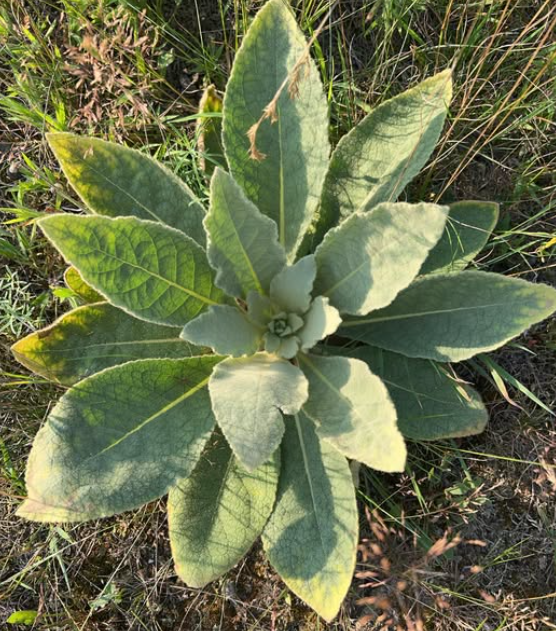
Common mullein is a biennial plant, meaning it completes its life cycle over two years. During the first year, the plant produces a rosette of large soft leaves that grow close to the ground.
In the second year, a tall central stalk emerges from the center of the plant. This stalk produces clusters of small yellow flowers that bloom gradually from the bottom upward.
The leaves are covered with tiny hairs that give them a soft, fuzzy texture. This texture is one of the easiest ways to recognize the plant in the wild.
🌿 Where Mullein Grows
Mullein grows naturally in many regions of Europe, Asia, and North America. It thrives in open sunny areas and is often found in disturbed soils such as roadsides, fields, and empty lots.
Because it adapts easily to different environments, the plant spreads widely and is considered one of the most common wild herbs in many regions.
🌼 Traditional Uses of Mullein
Mullein has been used in traditional herbal practices for centuries. Different parts of the plant have been incorporated into herbal preparations, including teas, oils, and infusions.
Herbal traditions often highlight the plant for its soothing qualities and gentle herbal properties.
🌿 Leaves
The leaves of mullein are among the most commonly used parts of the plant. They are often dried and used in herbal teas or infusions.
Because of their soft texture, mullein leaves have been traditionally associated with soothing herbal preparations.
🌼 Flowers
The bright yellow flowers of mullein are sometimes used in infused oils. Herbalists have historically used these oils in traditional remedies.
The flowers are typically harvested during the plant’s blooming season and gently dried before use.