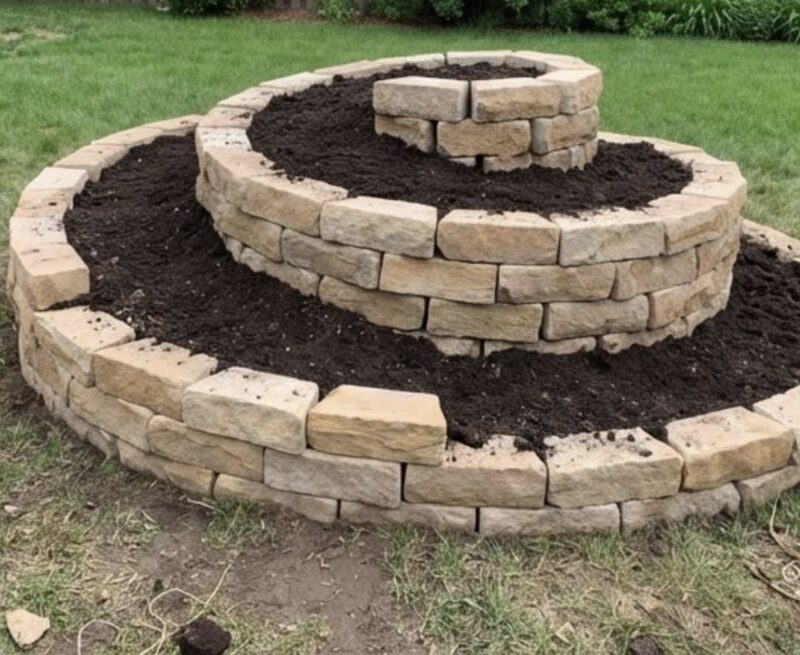
🌸 Build a Beautiful Tiered Garden Bed That Turns Any Yard Into a Stunning Flower Display
Every garden has the potential to become a breathtaking space filled with color, life, and beauty. However, many homeowners struggle to make their yards look organized and visually impressive, especially when the ground is flat and lacks natural elevation. One of the most effective ways to transform an ordinary yard into a vibrant landscape feature is by building a tiered garden bed.
A tiered garden bed creates layers of planting space that rise gradually from the ground. Instead of flowers growing at the same level, the plants are arranged on multiple levels, forming a cascading display of colors and textures. This layered design adds depth and dimension to any garden space, making it appear more structured, professional, and visually striking.
Garden designers often use tiered beds in landscape architecture because they draw the eye upward and create natural focal points. Even a small tiered garden can dramatically change the appearance of a yard, turning a simple lawn into a stunning floral showcase.
Another advantage of tiered garden beds is their practicality. They improve drainage, allow better soil control, and make gardening more comfortable because plants are easier to reach. Whether you are growing flowers, herbs, vegetables, or ornamental plants, a tiered bed offers both beauty and functionality.
🌱 Why Tiered Garden Beds Make Gardens Look More Beautiful
Flat gardens often lack visual depth. When all plants grow at the same level, the landscape can appear plain and less dynamic. Tiered garden beds solve this problem by introducing vertical structure.
By placing plants at different heights, tiered beds create a layered effect that naturally attracts attention. Taller plants can grow in the back or upper levels, while smaller flowers cascade toward the front. This arrangement creates a balanced visual flow that landscape designers frequently use in professional gardens.
Another benefit is improved plant visibility. Flowers that might otherwise be hidden behind larger plants become easier to see when placed on elevated levels. The entire display becomes more colorful and visually engaging.
🌼 Creating a Natural Focal Point
Tiered garden beds naturally become focal points within a landscape. When visitors enter your yard, their attention is immediately drawn to the layered structure filled with vibrant flowers.
This design technique works particularly well near patios, walkways, fences, and entrances. The garden bed becomes a decorative centerpiece that enhances the overall appearance of the property.
🧱 Choosing the Right Materials for a Tiered Garden Bed
Before building a tiered garden bed, it is important to select materials that are durable, safe for plants, and visually appealing. Many gardeners choose natural materials that blend seamlessly with the landscape.
Wood is one of the most popular choices because it is easy to work with and provides a warm, natural appearance. Cedar and redwood are particularly good options because they resist rot and weather damage.
Stone and brick are also excellent materials for tiered beds. These materials create a more permanent structure and give the garden a timeless, elegant look. Stone walls can be stacked to form terraces that hold soil in place while creating beautiful planting levels.
Concrete blocks are another practical option. They are strong, affordable, and easy to arrange into different shapes and heights.
📐 Planning the Layout of Your Tiered Garden Bed
Careful planning is essential before starting construction. The shape and size of your garden bed should complement the existing layout of your yard.
Many tiered gardens use a semicircular or curved design because curved shapes appear more natural in landscape settings. However, rectangular and square designs can also work well, especially in modern garden layouts.
The height of each tier should be comfortable for planting and maintenance. A typical tier height ranges between 8 and 16 inches. This allows plants to grow with enough soil depth while maintaining stability in the structure.
🌿 Considering Sunlight and Drainage
When selecting the location for your tiered bed, sunlight exposure is one of the most important factors. Most flowering plants require at least six hours of sunlight per day.
Drainage is another critical consideration. Elevated tiers naturally improve drainage because excess water can flow downward rather than pooling around plant roots.
🛠️ Building the Foundation
A strong foundation ensures that your tiered garden bed remains stable for many years. Start by marking the outline of the garden bed with stakes or garden paint.
Next, remove grass and loosen the soil where the first tier will sit. This helps the base materials settle evenly and prevents shifting later.
If using stone or brick, a layer of compacted gravel beneath the structure can improve stability and drainage.
Once the base is prepared, begin building the first tier. This lowest level should be the widest because it supports the tiers above it.
🌸 Designing the Flower Layout
One of the most exciting parts of building a tiered garden bed is choosing the plants. A well-designed tiered bed combines flowers of different heights, colors, and textures.
Taller plants such as sunflowers, hollyhocks, and ornamental grasses work well on the upper levels. These plants create a dramatic backdrop for the rest of the garden.
Medium-height flowers like zinnias, cosmos, and salvia can fill the middle tiers, adding vibrant color.
Trailing or compact plants such as petunias, alyssum, and creeping thyme are ideal for the lower levels. Their cascading growth softens the edges of the structure and creates a flowing appearance.
🌺 Color Combinations That Create Stunning Displays
Choosing complementary colors is key to creating a visually stunning flower display. Gardeners often select a color theme that unifies the entire bed.
For example, a combination of purple, pink, and white flowers creates a soft romantic look. Bright combinations such as red, yellow, and orange create a bold, energetic garden.
Repeating colors throughout the tiers helps create harmony in the design while preventing the display from looking chaotic.
💧 Maintaining Your Tiered Flower Garden
Once the garden bed is planted, regular care will keep the flowers thriving. Watering should be done carefully so that moisture reaches all levels of the bed.
Because tiered gardens drain efficiently, they may require slightly more frequent watering during hot weather.
Adding mulch around plants helps retain moisture and suppress weeds. Organic mulches such as bark chips or straw also improve soil health over time.
🌿 Long-Term Benefits of Tiered Garden Beds
A well-built tiered garden bed can remain productive and beautiful for many years. Over time, the structure becomes a permanent landscape feature that enhances the value and appearance of your property.
As seasons change, you can update the plants within the tiers to create new color combinations and themes. Spring bulbs, summer flowers, autumn foliage plants, and winter evergreens can all be incorporated into the design.
This flexibility allows your tiered garden to evolve year after year while maintaining its stunning visual impact.
With thoughtful planning, quality materials, and creative planting, a tiered garden bed can transform even the simplest yard into a spectacular flower display.