Is It True That Garlic Kills 14 Types of Bacteria and 13 Types of Infections? What Science Actually Says
Garlic has been praised for centuries as one of nature’s most powerful culinary and medicinal plants. From ancient Egyptian healers to traditional herbal practitioners in Asia and Europe, garlic has long been used in food and wellness practices. Today, you may have seen headlines claiming that garlic can “kill 14 types of bacteria and 13 types of infections.”
These bold claims often circulate widely online and on social media, sparking curiosity about whether garlic truly possesses such powerful effects. While garlic does contain natural compounds that scientists have studied for antimicrobial activity, understanding what research actually shows is essential.
Rather than viewing garlic as a miracle cure, many experts encourage seeing it as a nutritious food that may support overall wellness when included in a balanced diet. Garlic provides antioxidants, beneficial plant compounds, and flavor that can enhance many meals.
In this article, we’ll examine the science behind garlic’s natural compounds, explore what researchers and nutrition experts say, discuss how to safely include garlic in your diet, and separate common myths from evidence-based understanding.
🌿 Why Garlic’s Health Reputation Continues to Grow
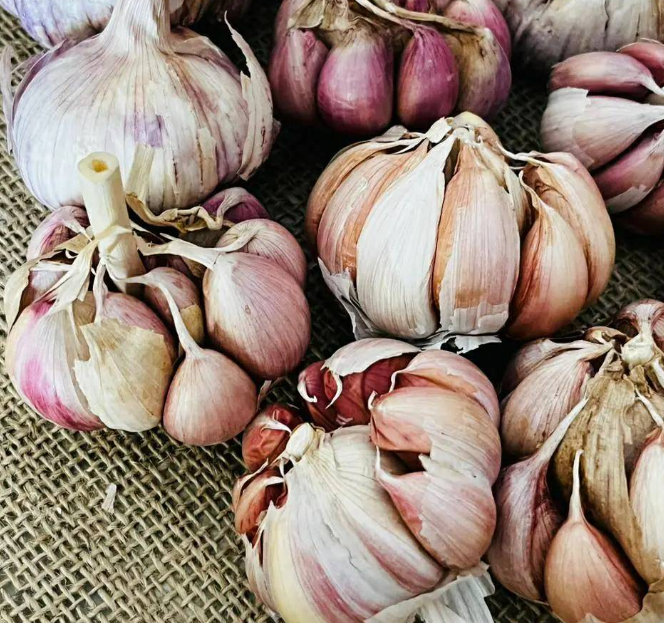
Garlic has earned a strong reputation in both traditional wellness practices and modern nutritional discussions. One reason is that garlic contains a sulfur-based compound called allicin, which forms when fresh garlic is crushed or chopped.
This compound has attracted scientific interest because laboratory studies suggest it may interact with certain microorganisms under controlled conditions.
- Long history in traditional culinary and herbal practices
- Contains natural plant compounds like allicin
- Often included in heart-conscious dietary patterns
- Easy to add to everyday meals
- Associated with antioxidant activity
✔️ Key takeaways:
- Garlic is widely used in both cooking and traditional wellness practices.
- Its active compounds have been studied in laboratory settings.
- Garlic works best as part of a balanced diet rather than a standalone solution.
- Nutrition experts focus on long-term dietary habits instead of quick fixes.
✨ What Research & Experts Say
Scientific studies have explored garlic’s plant compounds for decades. In laboratory environments, certain garlic extracts have demonstrated activity against various microorganisms. However, these studies often occur under controlled conditions that differ significantly from how foods interact within the human body.
This means that while garlic’s compounds may show antimicrobial properties in laboratory tests, it does not mean garlic can replace medical treatments or eliminate infections in real-world conditions.
Dr. Leila Nour explains: “Garlic contains natural sulfur compounds that may exhibit antimicrobial activity in laboratory studies, but consuming garlic as food should be viewed as part of overall dietary wellness rather than a treatment for infections.”
Prof. Mark Benson adds: “Many plant foods contain compounds that researchers study for biological activity. Translating those findings into clinical health outcomes requires careful research and realistic interpretation.”
Nutritionist Sarah Coleman notes: “Including garlic in a balanced diet can contribute beneficial plant compounds and flavor, which may encourage healthier eating habits overall.”
In other words, garlic may contribute to a nutritious diet, but it should not be relied upon as a medical intervention.
🥄 How to Prepare & Use Garlic Safely
Garlic can be incorporated into everyday meals in several simple ways. Fresh garlic often provides the strongest flavor and allows the natural compounds to develop.
Preparation Steps
- Choose fresh, firm garlic bulbs.
- Peel the outer skin and separate individual cloves.
- Crush or chop the garlic to activate its natural compounds.
- Allow chopped garlic to sit for several minutes before cooking.
- Add garlic to meals such as soups, vegetables, or sauces.
- Use moderate amounts to avoid digestive discomfort.
Safety Guidance
- Large quantities of garlic may cause stomach irritation for some people.
- Raw garlic can be quite strong and may not suit everyone’s digestion.
- Garlic supplements should only be used after consulting a healthcare professional.
People who should speak with a healthcare professional before increasing garlic intake:
- Individuals taking blood-thinning medications
- People preparing for surgery
- Those with digestive sensitivities
- Anyone considering concentrated garlic supplements
📊 Benefits & Practical Use Table
| Benefit | Amount | Serving Size | Practical Use |
|---|---|---|---|
| Provides antioxidant plant compounds | Moderate intake | 1–2 cloves | Added to cooked vegetables |
| Enhances meal flavor | Small culinary amount | 1 clove | Used in sauces and soups |
| Supports balanced dietary patterns | Regular culinary use | Several times weekly | Included in Mediterranean-style meals |
| Encourages whole-food cooking | Light seasoning | 1–2 cloves | Combined with herbs and olive oil |
⚖️ Raw Garlic vs Supplements
Garlic can be consumed either as a whole food or in supplement form, but these options differ significantly.
Raw or Cooked Garlic
Pros:
- Natural whole-food ingredient
- Provides flavor and nutrition
- Affordable and widely available
- Easy to include in meals
Cons:
- Strong taste or odor
- May cause digestive discomfort in large amounts
Garlic Supplements
Pros:
- Convenient capsule form
- Standardized doses
Cons:
- Quality can vary between products
- Possible interactions with medications
- Higher cost
🚫 Common Mistakes to Avoid
- Believing exaggerated internet claims – Foods rarely eliminate infections on their own.
- Consuming excessive raw garlic – Large amounts may irritate the stomach.
- Replacing medical care with food remedies – Medical conditions require professional care.
- Taking supplements without guidance – Supplements can interact with medications.
- Expecting instant results – Nutritional benefits develop through long-term habits.