Why Plant in Cardboard Boxes and How to Set Them Up
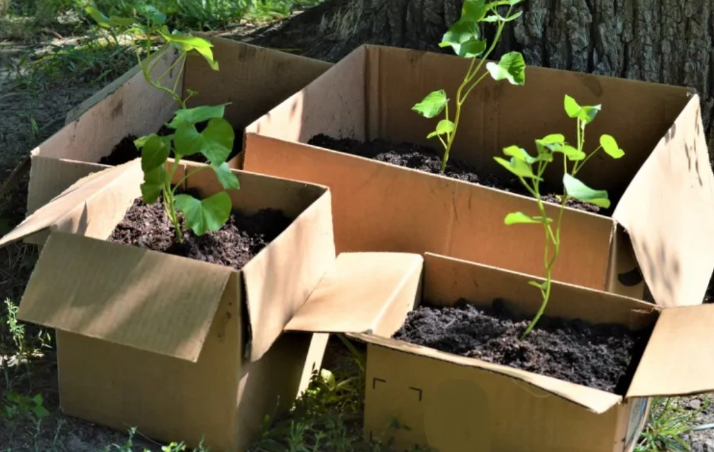
Container gardening doesn’t have to start with expensive pots or custom-built raised beds. Many gardeners across the United States are discovering a surprisingly simple alternative: planting in cardboard boxes. Whether you’re working with limited space, a tight budget, or simply want a low-waste solution, cardboard can serve as a practical short-term growing system.
Used correctly, cardboard boxes can suppress weeds, improve soil structure, and provide a biodegradable planting base for vegetables, herbs, and flowers. The key is understanding how to prepare them properly and recognizing their limitations. In this comprehensive guide, you’ll learn when cardboard planting makes sense, how to set it up step by step, safety considerations, common mistakes, and how to use it as part of a sustainable gardening strategy.
🌿 Why Use Cardboard Boxes for Planting?
Cardboard is biodegradable, widely available, and easy to work with. When layered correctly, it acts as both a weed barrier and a temporary container.
- Reuses household materials and reduces waste
- Suppresses weeds naturally
- Breaks down into organic matter over time
Key takeaways:
- ✔️ Budget-friendly gardening solution
- ✔️ Ideal for temporary or starter beds
- ✔️ Supports soil-building practices
Dr. Leila Nour explains, “Cardboard functions as a carbon-rich layer in the soil ecosystem. When paired with compost and moisture, it contributes to gradual soil improvement.”
✨ When Cardboard Planting Makes the Most Sense
Cardboard boxes are particularly useful in specific scenarios.
- • Starting a garden over grass or weeds
- • Temporary rental properties
- • Testing new garden layouts before building permanent beds
🌿 Advantages Compared to Traditional Raised Beds
While wooden or metal raised beds offer durability, cardboard provides flexibility and affordability.
- Minimal upfront cost
- No construction tools required
- Lightweight and easy to reposition
Key takeaways:
- ✔️ Great for beginner gardeners
- ✔️ Ideal for short-term growing seasons
- ✔️ Simplifies small-space gardening
Prof. Mark Benson notes, “Sheet mulching with cardboard has become a popular method in urban gardening because it allows quick installation with minimal infrastructure.”
✨ Common Mistakes to Avoid
Cardboard planting is simple, but certain errors reduce effectiveness.
- • Using glossy or heavily printed cardboard
- • Failing to add sufficient soil depth
- • Allowing boxes to dry out completely
Choose plain brown corrugated cardboard whenever possible and remove tape and staples.
🌿 Safety & Environmental Considerations
Not all cardboard is suitable for gardening. Pay attention to sourcing and preparation.
- Use untreated, non-waxed cardboard only
- Remove plastic tape and labels
- Avoid boxes contaminated with chemicals or food residue
Key takeaways:
- ✔️ Stick to clean, plain cardboard
- ✔️ Remove all non-biodegradable materials
- ✔️ Monitor moisture levels carefully
🥄 Step-by-Step Routine
Follow this method to set up a cardboard planting box correctly.
1. Select the Right Box
Choose sturdy corrugated cardboard with no glossy coating.
2. Remove Tape and Staples
Strip away any non-biodegradable materials.
3. Place Directly on Ground
Set the box over grass or soil where you want to plant.
4. Add Drainage Holes
Puncture small holes in the bottom to allow excess water to escape.
5. Fill with Soil and Compost
Add at least 6–10 inches of high-quality soil mix.
6. Water Thoroughly
Moisten soil evenly to activate the breakdown process.
🌿 What to Plant in Cardboard Boxes
Because cardboard is temporary, shallow-rooted and fast-growing crops work best.
- Lettuce and leafy greens
- Radishes and small root vegetables
- Herbs like basil and cilantro
Key takeaways:
- ✔️ Choose short-season crops
- ✔️ Avoid large woody perennials
- ✔️ Monitor root depth needs
🌿 DIY vs. Store-Bought Planters
Both options have advantages depending on your goals.
- Cardboard: ultra-low cost and compostable
- Fabric grow bags: reusable and breathable
- Wooden beds: durable and long-term
Key takeaways:
- ✔️ Cardboard is best for temporary use
- ✔️ Fabric bags offer balance of cost and durability
- ✔️ Wood works best for permanent gardens
📊 Benefits & Use Table
Here’s a practical overview of cardboard planting advantages:
| Benefit | Measurement/Quantity | Serving/Weight/Portion | Practical value |
|---|---|---|---|
| Weed suppression | Full ground coverage | Per box placement | Reduces manual weeding |
| Soil improvement | Gradual decomposition | Single growing season | Adds organic matter |
| Cost savings | Minimal expense | Per container | Accessible for beginners |
| Portability | Lightweight structure | Short-term setup | Easy relocation |
❓ FAQs
Common questions from U.S. gardeners:
- How long do cardboard boxes last?
Typically one growing season before significant breakdown. - Can I stack boxes?
Yes, but ensure adequate soil depth and stability. - Will roots grow through cardboard?
Yes, as it softens and decomposes. - Is it safe for vegetables?
Use clean, untreated cardboard only. - Can I use colored boxes?
Plain brown cardboard is safest. - Does it attract pests?
Moist conditions may attract insects, so monitor regularly. - Can I reuse the box next year?
Usually not, as it decomposes. - Does it require extra watering?
Monitor moisture to prevent drying out. - Can I compost the remains?
Yes, once fully broken down. - Is this good for urban gardening?
Yes, especially for temporary or rental spaces.
🌿 Premium Indoor Styling Transition
Even sustainable gardening solutions can reflect intentional design. With thoughtful placement and clean soil finishes, cardboard-based beds can blend seamlessly into modern outdoor living spaces.