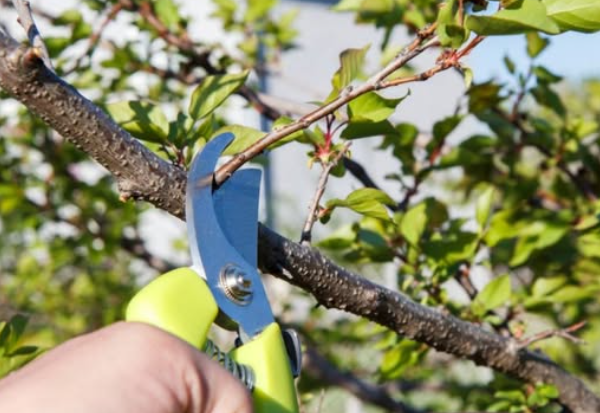
Transform Your Orchard: Mastering Apricot Tree Pruning for Maximum Yield
Apricot trees can be one of the most rewarding additions to a backyard orchard—offering fragrant spring blossoms and golden summer fruit. Yet many gardeners feel frustrated when yields decline, branches become tangled, or fruit stays small and difficult to harvest. In many cases, the issue isn’t soil, fertilizer, or watering—it’s pruning.
Strategic pruning shapes the structure of your apricot tree, improves airflow and light penetration, and helps the tree direct energy toward productive fruiting wood. When done correctly and consistently, pruning becomes one of the most powerful tools for maintaining a healthy, balanced orchard. In this comprehensive guide, you’ll learn when and how to prune apricot trees, common mistakes to avoid, safety considerations, and how thoughtful shaping can elevate both harvest results and landscape design.
🌿 Why Pruning Apricot Trees Matters
Apricot trees grow vigorously, especially in favorable climates. Without proper pruning, branches compete for light and nutrients, leading to reduced fruit production over time.
- Improves sunlight penetration throughout the canopy
- Enhances airflow to reduce moisture buildup
- Encourages stronger fruit-bearing wood
Key takeaways:
- ✔️ Pruning supports consistent annual yields
- ✔️ Balanced structure reduces branch breakage
- ✔️ Light management directly impacts fruit quality
Dr. Leila Nour explains, “Fruit trees perform best when light reaches the interior canopy. Pruning isn’t about cutting randomly—it’s about creating a structure that distributes energy efficiently.”
✨ Understanding Apricot Growth Habits
Before pruning, it’s important to understand how apricot trees produce fruit.
- • Fruit typically forms on short-lived spurs
- • One-year-old wood often carries strong fruiting potential
- • Overcrowding reduces spur productivity
🌿 Best Time to Prune Apricot Trees
Timing influences both tree health and yield. In most U.S. climates, late winter to early spring is ideal.
- Prune before bud break for structural shaping
- Summer pruning can control excessive growth
- Avoid pruning during wet conditions
Key takeaways:
- ✔️ Late winter encourages balanced regrowth
- ✔️ Summer pruning manages vigor
- ✔️ Dry conditions reduce disease risk
Prof. Mark Benson notes, “In humid regions, timing is especially important. Proper seasonal pruning can help maintain healthier canopy structure.”
✨ Common Pruning Mistakes to Avoid
Even experienced gardeners sometimes reduce yields unintentionally.
- • Over-pruning in one season
- • Removing too much fruiting wood
- • Ignoring structural balance
Consistency matters more than dramatic cuts.
🌿 Choosing the Right Tree Shape
Most apricot trees respond well to an open-center (vase) shape.
- Allows maximum sunlight penetration
- Improves harvesting access
- Reduces interior shading
Key takeaways:
- ✔️ Open-center structure improves airflow
- ✔️ 3–4 main scaffold branches are ideal
- ✔️ Remove inward-growing branches
🥄 Step-by-Step Routine
Follow this structured pruning approach each season.
1. Inspect the Tree
Examine branch structure, identify dead or damaged wood.
2. Remove Dead or Diseased Wood
Cut back to healthy tissue using clean, sharp tools.
3. Thin Overcrowded Branches
Remove inward-growing or crossing branches to open the canopy.
4. Shorten Vigorous Shoots
Trim back overly long growth to maintain structure.
5. Maintain Scaffold Balance
Ensure 3–4 evenly spaced main branches.
6. Clean Up and Sanitize Tools
Disinfect tools after pruning to maintain orchard hygiene.
🌿 DIY vs. Hiring a Professional Pruner
Homeowners can often handle annual pruning, but larger orchards may benefit from professional expertise.
- DIY saves money and builds skill
- Professionals offer advanced structural training
- Complex mature trees may require experienced shaping
Key takeaways:
- ✔️ Small backyard trees are DIY-friendly
- ✔️ Professionals help rehabilitate neglected trees
- ✔️ Regular maintenance prevents major corrective cuts
🌿 Safety & Tool Considerations
Pruning involves sharp tools and sometimes ladders, so safety matters.
- Use sharp bypass pruners for clean cuts
- Wear gloves and eye protection
- Ensure ladders are stable before climbing
Key takeaways:
- ✔️ Clean cuts heal more efficiently
- ✔️ Protective gear prevents injury
- ✔️ Stability reduces risk during pruning sessions
📊 Benefits & Use Table
Here’s how consistent pruning delivers measurable orchard improvements:
| Benefit | Measurement/Quantity | Serving/Weight/Portion | Practical value |
|---|---|---|---|
| Improved light exposure | Full canopy penetration | Entire growing season | Supports uniform fruit ripening |
| Yield consistency | Annual production stability | Per harvest cycle | Predictable orchard planning |
| Branch strength | Balanced scaffold structure | Tree lifespan | Reduces limb breakage |
| Easier harvest | Open canopy access | Each picking session | Faster fruit collection |
❓ FAQs
Here are common pruning questions from U.S. orchard owners:
- How often should I prune apricot trees?
Annually, typically in late winter before bud break. - Can I prune in summer?
Light summer pruning can manage excessive growth. - Will heavy pruning increase fruit size?
Balanced thinning can improve light distribution and fruit consistency. - Should I seal pruning cuts?
Most experts recommend allowing cuts to heal naturally. - How tall should my tree be?
Maintain a manageable height for safe harvesting. - What tools are best?
Sharp bypass pruners, loppers, and pruning saws. - Can pruning reduce disease issues?
Improved airflow helps maintain a balanced canopy environment. - Is espalier an option?
Yes, but it requires consistent structural training. - What if my tree is overgrown?
Gradual corrective pruning over 2–3 seasons works best. - Do young trees need pruning?
Yes, early structural training sets long-term productivity.
🌿 Premium Indoor Styling Transition
Well-pruned apricot trees don’t just improve harvests—they enhance landscape architecture. A balanced canopy creates visual symmetry that complements modern outdoor living spaces.